
How To
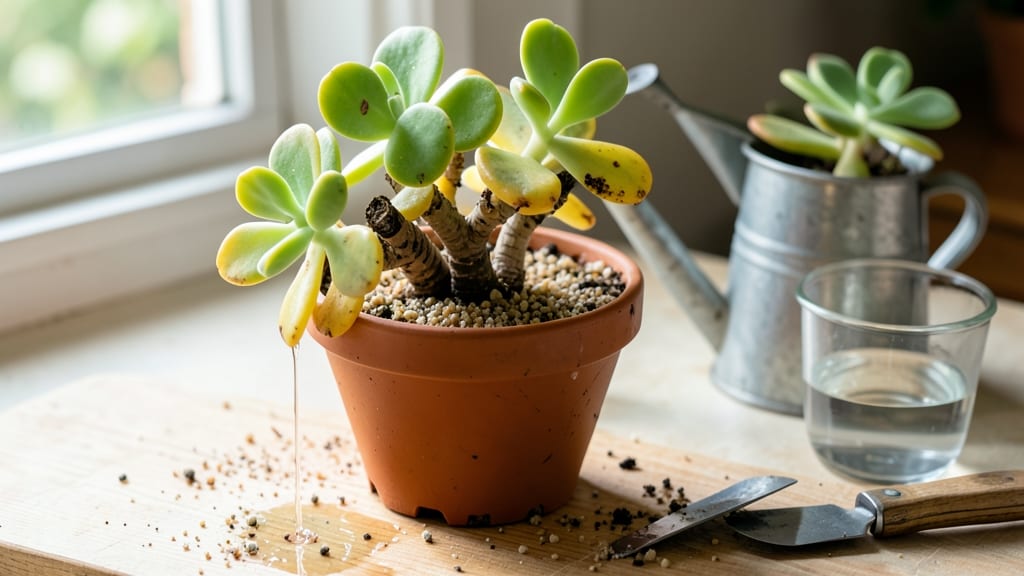
How to fix an overwatered jade plant—those sad, droopy leaves don’t mean it’s dead, just thirsty for a dry spell. 🌱 I’ve nursed back more jade plants from overwatering than I’d like to admit, and the secret isn’t complicated: stop watering, assess the damage, and give it time to breathe. The first 48 hours are critical—no water, just observation. You’ll see the difference in crisp leaves within days.
Start by gently removing the plant from its pot and inspecting the roots. Healthy roots are firm and white; mushy or brown roots need trimming with clean scissors. Repot in fresh, well-draining soil—think cactus mix—and choose a pot with drainage holes.
Jade plants hate soggy feet, so skip the decorative cachepots unless you’re ready to monitor moisture closely. Confession: I’ve lost count of how many times I repotted mine before learning this lesson.
Once repotted, place your jade in bright, indirect light and wait. No water for 7-10 days—yes, really. The plant will start looking perky again as it recovers. After that, water only when the top 2 inches of soil are completely dry.
Stick your finger in the soil first; if it’s damp, wait another day. Patience here is key—rushing leads to the same problem all over again.
Long-term, keep your jade in a terracotta pot (it dries out faster) and water every 3-4 weeks in winter, when growth slows. In summer, you might water monthly, depending on your climate.
The goal is to mimic its desert roots: dry, then deep water. Trust me, your jade will thank you with thick, glossy leaves and that signature jade resilience.
📚 In This Guide
- What you need
- Instructions
- Tips and common mistakes
- Wrapping up and next steps
What you need
- ● Well-draining potting mix: 1 bag (at least 1 gallon) of cactus or succulent mix (look for blends with perlite, pumice, or coarse sand).
- ● Clean pot with drainage holes: 1 pot (slightly larger than the current one, but not too big—aim for 1-2 inches wider). Terracotta or ceramic pots work best!
- ○ Gloves (optional but recommended): A pair of gardening or disposable nitrile gloves to protect your hands from soil and sap.
- ● Pruning shears or clean scissors: A pair of sterilized shears (rubbing alcohol wipe works) to trim dead or mushy leaves/stems.
- ● Paper towels or a clean cloth: For gently patting dry roots or wiping sap.
- ● Spray bottle with water: A fine-mist spray bottle (avoid soaking—jade plants hate wet feet!).
- ○ Rooting hormone (optional but helpful): A small bottle of succulent-safe rooting powder or gel for cuttings.
- ● Newspaper or paper towels: To line the bottom of the pot for extra drainage.
- ● Chopsticks or a wooden skewer: To gently separate and inspect roots without damaging them.
- ○ Hair dryer (cool setting) or fan: For accelerating drying of roots (optional but speeds up recovery!).
- ○ Humidity tray (optional): A shallow tray with pebbles and water to create a humid microclimate (if your home is very dry).
- ● Choose a bright, indirect light spot (no direct sun for 1-2 weeks post-revival).
- ● Wait until the soil is completely dry before repotting (this could take 1-3 days).
- ● Have patience! Jade plants are tough but need time to bounce back—don’t rush the process.
Step-by-Step instructions for reviving an overwatered jade plant
Here’s how I turn sad, soggy jade plants back into plump, perky beauties in just a few days.
💧 Step 1: Stop Watering and Remove the Plant From the Pot
First, halt all watering immediately—this is critical. Jade plants are succulents and store water in their leaves, so they don’t need frequent watering. Gently remove the plant from its pot by squeezing the sides or sliding it out from the bottom. You’ll likely see waterlogged soil that smells musty or looks dark and compacted.
If the roots are already visible, check for black or mushy areas—these are rotting and need to be trimmed. Use clean, sharp scissors to snip away any soft, discolored roots. Healthy roots should be firm and white or light tan. Don’t panic if you lose a few roots; jade plants are resilient and will regrow.
✂️ Step 2: Trim Damaged Leaves and Roots
Now, focus on the leaves. Jade plants often develop crispy, yellow, or translucent leaves when overwatered. Use the same clean scissors to trim off any leaves that feel mushy or look shriveled. Cut just above the point where the leaf meets the stem—this helps the plant redirect energy to healthy growth.
For severely damaged stems, you can also prune them back to a healthy section. Jade plants often sprout new growth from the base or along the stem, so don’t worry about losing a few leaves. This step might seem drastic, but it’s the best way to encourage fresh, vibrant growth.
🪴 Step 3: Repot in Fresh, Well-Draining Soil
Choose a pot with drainage holes—this is non-negotiable for jade plants. If your current pot doesn’t have holes, transfer the plant to one that does. Fill the bottom of the new pot with a layer of perlite or coarse sand to improve drainage. This prevents water from pooling at the roots.
Use a well-draining cactus or succulent mix—avoid regular potting soil, which holds too much moisture. Gently place the trimmed plant into the pot and fill around it with the new soil, pressing lightly to secure it. Leave about ½ inch of space between the soil and the pot’s rim to prevent overwatering during your next watering session.
☀️ Step 4: Provide Bright Light and Wait Before Watering
Move your jade plant to a spot with bright, indirect light—a south or west-facing window is ideal. Jade plants need plenty of light to recover, so avoid dim corners. If your home lacks natural light, supplement with a grow light for 12-14 hours a day. Avoid direct midday sun at first, as the plant may be sensitive after its waterlogged state.
Now, the hardest part: wait at least 5-7 days before watering. This gives the roots time to dry out and reduces the risk of further rot. Check the soil with your finger—it should feel completely dry before you consider watering again. Overwatering is the #1 killer of jade plants, so patience is key here.
💧 Step 5: Water Only When Soil Is Bone-Dry
When you finally water, do so thoroughly but infrequently. Water until it drains completely from the bottom of the pot, then empty any excess from the saucer. Wait until the top 2 inches of soil feel dry before watering again—this could take 2-3 weeks, depending on your home’s humidity and temperature.
To encourage healthy growth, mist the leaves lightly once a week, but avoid getting water in the crevices where leaves meet the stem. Jade plants are succulents, so they prefer dry conditions. Over time, you’ll notice new growth emerging from the base or along the stems. This is your sign that the plant is on the mend!
Tips & tricks for reviving an overwatered jade plant
Here's what nobody tells you about bringing back a waterlogged jade plant—these tricks make all the difference.
Root Rescue Strategy: When examining roots in Step 1, focus on the color transition point between healthy and rotting roots. The healthy roots should be firm with a slight sheen, while rotting roots will feel mushy and smell foul. If you're unsure, cut just above the questionable area—your plant will thank you with new growth. Remember, jade plants can regenerate from just a single healthy stem or leaf!
Pruning Wisdom: In Step 2, don't be afraid to be aggressive with your pruning. Jade plants respond beautifully to dramatic trimming by redirecting their energy to new growth. Cut leaves at their base rather than tearing them—this prevents damage to the stem and reduces the risk of infection. Save any healthy leaves you remove; they can be propagated in water to create new plants!
Soil Upgrade: For Step 3, consider adding a handful of orchid bark or pumice to your cactus mix for even better drainage. These amendments create air pockets that prevent compaction. I like to mix in about 20% perlite with my succulent soil—this creates the perfect balance of moisture retention and drainage for jade plants recovering from overwatering.
Light Strategy: The 12-14 hours of grow light in Step 4 is your secret weapon for recovery. Position the light just 6-12 inches above the plant and adjust as it grows. Jade plants need intense light to rebuild their energy reserves after water stress. If you notice leaves stretching toward the light (a condition called etiolation), it's time to move the light closer or increase the intensity.
Pro Tips for Fix Overwatered Jade Plant
- Here's what nobody tells you about bringing back a waterlogged jade plant—these tricks make all the difference.
- Root Rescue Strategy: When examining roots in Step 1, focus on the color transition point between healthy and rotting roots.
- Pruning Wisdom: In Step 2, don't be afraid to be aggressive with your pruning.
Frequently asked questions
Got more questions about saving your overwatered jade plant? Here are some of the most common concerns—and answers—to help you revive your leafy friend faster!
How often should I water my jade plant after fixing overwatering?
Once your jade plant is back on track, water it only when the top 1-2 inches of soil are completely dry—usually every 2-3 weeks. Stick your finger in the soil to check; if it’s dry, water thoroughly, then let excess drain away. Overwatering is the #1 killer, so less is more!
Will my jade plant recover if the leaves are already mushy or falling off?
Don’t panic! If the damage isn’t severe (like black, squishy leaves), your jade plant can bounce back. Trim the worst-affected leaves with clean scissors and focus on drying out the roots. With proper care, new growth will sprout from healthy stems. Patience is key—it may take 2-4 weeks to see improvement!
How long does it take to fix an overwatered jade plant?
Recovery time varies, but you’ll often see signs of improvement within 1-2 weeks if you act fast. Roots may take longer to heal (up to 4 weeks), but avoid watering until the soil is bone-dry. Monitor for new growth—healthy leaves mean you’re on the right track!
Can I use hydrogen peroxide or other fixes to save my jade plant?
Yes! A 3% hydrogen peroxide solution (1 part peroxide to 4 parts water) can help prevent root rot by oxygenating the soil and killing harmful bacteria. Water the plant with this mix once after repotting, but avoid overusing it—stick to 1 treatment max unless rot persists.
What if my jade plant’s stems are soft and rotting?
Soft, mushy stems mean root rot has spread. Trim away all rotted sections (use sterilized scissors) down to firm tissue, then repot in fresh, dry soil. If the stem is completely rotten, you may need to propagate healthy cuttings. Prevention tip: Use a well-draining mix (like cactus soil) to avoid future rot!
Wrapping up and next steps
Reviving an overwatered jade plant is totally doable—just drain, dry, and adjust its care! Remember, these resilient plants bounce back with patience and the right steps. Now that you’ve got the know-how, give your jade a fresh start and watch it thrive again.
Ready to take action? Start by revisiting the tools you’ll need or checking out common questions to feel even more confident. Your jade’s comeback is just around the corner! 🌱✨