
Tools
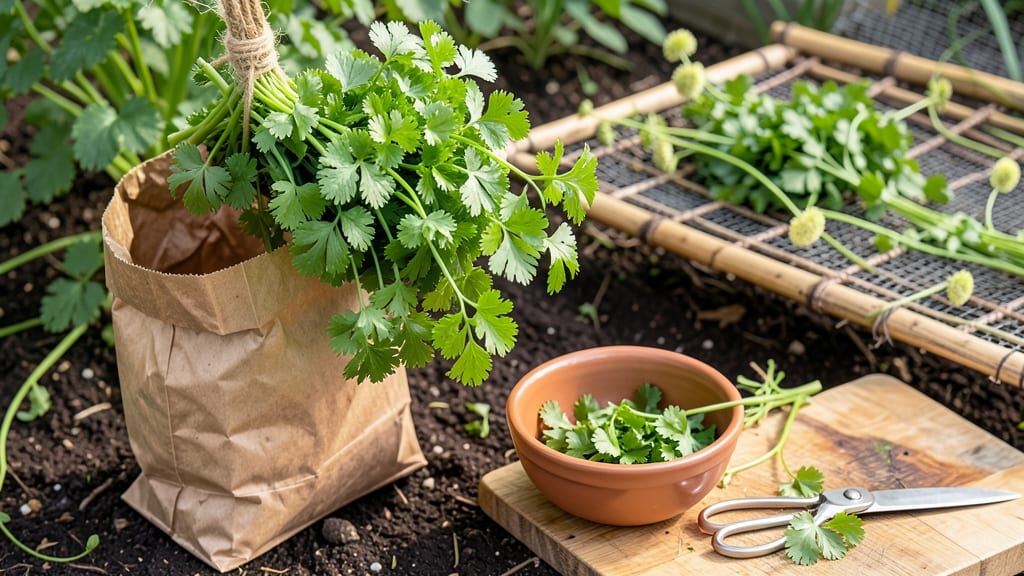
Nothing beats the bright, fresh taste of parsley straight from your garden—but drying it properly means you can enjoy that flavor all winter long. 🌿 I’ve dried hundreds of bunches over the years, and the difference between good dried parsley and great dried parsley comes down to just a few key steps.
The simplest method is air-drying, which takes about 2 weeks and requires almost no effort. Bundle stems together, hang upside-down in a dry, dark spot, and let nature do the work.
For faster results, oven-drying at 200°F for 1-2 hours works too—just spread leaves on a baking sheet first. The goal is to remove moisture without burning the delicate leaves.
Once fully dry, store parsley in an airtight container away from light. Properly dried parsley keeps its flavor for 6-12 months, though it loses potency over time. The best part? You’ll never buy wilted store-bought parsley again—just reach for your stash whenever a recipe calls for it.
Here’s the secret: avoid humidity at all costs. Even a little moisture can turn your dried parsley into a moldy mess. And if you’re drying large batches, process them in small groups to ensure even drying. Ready to turn your garden harvest into a year-round resource?
📚 In This Guide
- What you need
- Instructions
- Tips and common mistakes
- Wrapping up and next steps
What you need
- ● Fresh parsley: 1–2 large bunches (about 1–2 cups loosely packed leaves and stems). Choose flat-leaf parsley for the best texture post-drying.
- ● Clean kitchen towels or paper towels: 2–3 sheets to pat the parsley dry.
- ● Sharp kitchen shears or a chef’s knife: For trimming stems and separating leaves.
- ● Baking sheet: 1 large, lined with parchment paper or a silicone mat.
- ● Oven or dehydrator: Oven method: Preheat to 200°F (93°C) (low and slow is key!).
- ● Dehydrator method: Set to 95–115°F (35–46°C) for gentle drying.
- ● Air-tight containers: 1–2 small jars (like mason jars) or resealable bags with zip locks for storage.
- ○ Optional but helpful: Fine-mesh strainer (for rinsing parsley if needed).
- ● Rubber bands or twine (to bundle stems for hanging methods).
- ● Food processor or mortar and pestle (for grinding dried parsley into flakes or powder).
Step-by-Step instructions for drying fresh parsley at home
Preserving parsley’s bright flavor is easier than you think—just follow these simple steps.
🌿 Step 1: Harvest and Clean the Parsley
Pick parsley on a dry morning after the dew has evaporated. Cut stems about 2 inches above the base to encourage regrowth. Rinse the stems and leaves under cool water to remove dirt, then gently shake off excess moisture. Pat dry with a clean kitchen towel or paper towels—damp leaves won’t dry properly and may develop mold.
Here’s the thing—don’t trim the leaves yet. Keeping them attached to the stems preserves their structure during drying. You’ll see the stems look fresh and vibrant, which means they’re ready for the next step.
☀️ Step 2: Bundle and Hang for Air Drying
Gather 4-5 stems at a time and secure them with a rubber band or twine, leaving about 3 inches of stem exposed below the band. Hang the bundles upside down in a warm, dry, and well-ventilated spot—think a pantry, closet, or even a sunny windowsill. Avoid direct sunlight, which can bleach the leaves and fade their color.
You’ll know it’s working when the leaves feel crispy to the touch after 1-2 weeks. If your kitchen feels humid, drying may take longer—just be patient. The stems should also turn brittle, signaling they’re fully dehydrated.
✂️ Step 3: Remove and Store the Dried Leaves
Once the leaves are completely dry and crumbly, carefully remove them from the stems by rubbing them between your fingers or using a pair of scissors. Store the dried leaves in an airtight container, like a glass jar or resealable bag. Keep them in a cool, dark place—like a pantry—to preserve their flavor for up to 6 months.
Don’t skip this step: crush the dried leaves lightly before storing. This releases their oils and keeps them fresh longer. You’ll notice the aroma intensify as you crush them—proof that all your effort paid off!
💧 Optional Step: Speed Up Drying with the Oven
If you’re short on time, preheat your oven to its lowest setting—usually 170-190°F. Spread the parsley stems on a baking sheet lined with parchment paper, leaving space between them. Prop the oven door open slightly with a wooden spoon to allow moisture to escape. Check after 1-2 hours—the leaves should be dry and crispy when done.
Real talk: oven drying is faster, but it can dull the flavor slightly. Use this method only if you’re in a hurry or dealing with a large harvest. Always keep an eye on them to avoid burning!
Tips & tricks for perfectly dried parsley
Between us, these small adjustments make all the difference between dried parsley that's just "okay" and herbs that taste like they came straight from your garden months later.
Harvest Timing Matters: The best time to harvest parsley is early morning after dew has evaporated. This ensures the leaves are fully hydrated but not damp from overnight moisture. I've learned this the hard way—harvesting after rain or late in the day can lead to moldy leaves during drying. Also, always cut stems about 2 inches above the base to encourage fresh regrowth for future harvests.
Bundle Size Secret: When bundling in Step 2, stick to 4-5 stems per bundle—this creates the perfect airflow balance. Too many stems per bundle can trap moisture, while too few won't utilize space efficiently. I use rubber bands because they're reusable and don't leave residue, but twine works too. Just make sure to leave that 3-inch stem exposed below the band for proper drying.
Drying Environment Check: Your drying spot needs three things: warmth, dryness, and ventilation. I've had the best results using a well-ventilated pantry or closet with a small fan circulating air. If your kitchen feels humid (like during summer months), drying may take longer than the 1-2 weeks mentioned. A dehumidifier nearby can help speed things up. The goal is to create an environment where moisture can escape freely.
Storage Wisdom: After crushing the dried leaves in Step 3, store them in small portions. I divide mine into 1-teaspoon servings in tiny jars—this way, you can open and close the container less frequently, preserving freshness longer. The dark, cool pantry is ideal, but a freezer works too if you're worried about pests. Remember, dried parsley loses potency over time, so use it within 6 months for the best flavor.
Pro Tips for Dry Fresh Parsley From The Garden
- Between us, these small adjustments make all the difference between dried parsley that's just "okay" and herbs that taste like they came straight from your garden months later.
- Harvest Timing Matters: The best time to harvest parsley is early morning after dew has evaporated.
- Bundle Size Secret: When bundling in Step 2, stick to 4-5 stems per bundle—this creates the perfect airflow balance.
Frequently asked questions
Got questions about drying parsley? You’re not alone! Here are answers to the most common queries to help you preserve your garden harvest like a pro.
How long does it take to dry parsley?
Parsley typically takes 1–3 weeks to dry completely, depending on your method. Bundle drying (hanging) usually takes the longest, while oven drying (at 200°F) can finish in 1–2 hours. Patience is key—check for crispness and a papery texture before storing!
Can I dry parsley too quickly?
Yes! Overdrying (especially in the oven) can turn parsley brittle or bitter. For best results, aim for a low-and-slow approach. If using the oven, check every 15 minutes and remove it as soon as leaves crumble easily. Air drying is the safest bet for gentle preservation.
What if my parsley turns brown or moldy while drying?
Brown spots or mold mean moisture is still trapped. Speed up drying by:
- Increasing airflow (fan or open windows)
- Lowering humidity (use a dehumidifier if needed)
- Re-bundling stems tightly and rehanging
How do I store dried parsley long-term?
Keep dried parsley in an airtight container (glass jars or vacuum-sealed bags) in a cool, dark place (like a pantry). Properly stored, it stays fresh for 6–12 months. Label with the date to track freshness!
Can I dry parsley roots too?
Parsley roots (turnips) can be dried whole or sliced thin. Hang them in bundles or slice and spread on a tray to dry. Once fully dehydrated, store the roots in jars. They’re perfect for homemade broths or soups later!
Wrapping up and next steps
Drying fresh parsley from your garden is a simple yet rewarding way to savor its bright flavor all year long!
With just a few tools and a little patience, you can transform wilted stems into a fragrant, shelf-stable herb that elevates soups, sauces, and more. Now that you’re equipped with the know-how, why not gather your harvest and start preserving? Try drying a small batch today—your future meals (and taste buds!) will thank you.
Pro tip: Label your dried parsley with the date to track freshness—most lasts 6-12 months when stored properly! 🌿✨