
Picking
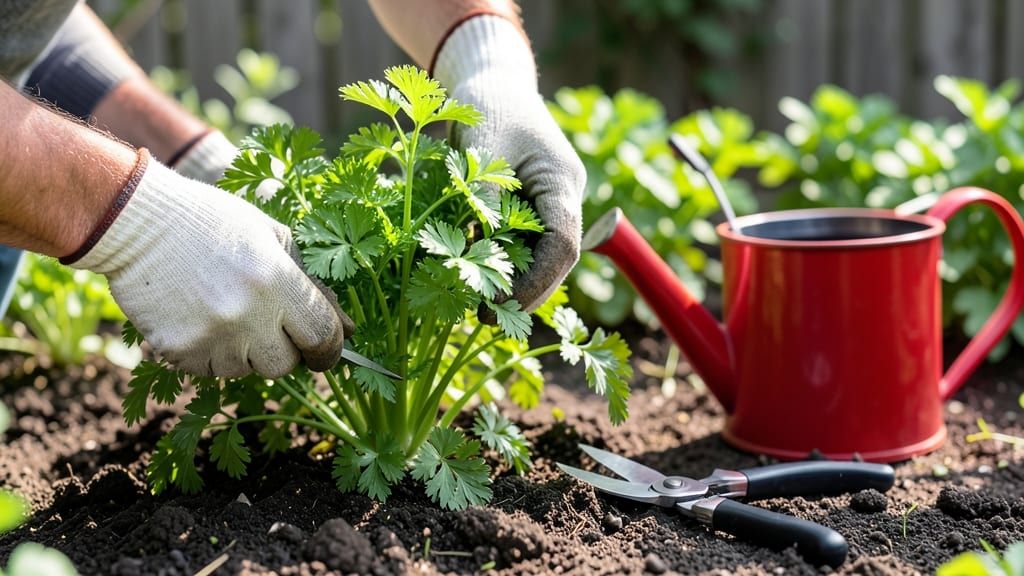
How to pick parsley so it keeps growing—this secret snip technique works every time. 🌿 I’ve harvested parsley for years, and the difference between a thriving plant and a sad stump comes down to where and how you cut. Most gardeners over-harvest the center, leaving the plant struggling to recover. The trick? Focus on the outer stems and use sharp scissors to avoid crushing the growth points.
Start harvesting once your parsley reaches 6-8 inches tall, but never take more than one-third of the plant at a time. Cut stems at a 45-degree angle, about 1-2 inches above a leaf node—this encourages new shoots to sprout from that spot.
Avoid pulling leaves by hand, as this tears the plant and invites disease. Water thoroughly after harvesting to help the plant bounce back faster, especially in hot weather.
With this method, your parsley will regrow lush and dense within 2-3 weeks, producing more leaves than you started with. The key is consistency: harvest regularly (every 2-3 weeks) to keep the plant bushy, and avoid letting it bolt—once it flowers, the leaves turn bitter.
A well-maintained parsley plant can keep producing for years, making it one of the most rewarding herbs to grow.
For best results, grow parsley in partial shade (especially in hot climates) and well-draining soil rich in organic matter. Mulch around the base to retain moisture and protect roots.
If your parsley slows down after harvest, it’s likely underwatered or overcrowded—thin out seedlings early to give each plant 6-8 inches of space. This technique works for both flat-leaf and curly parsley, so you’ll never have to buy it again.
📚 In This Guide
- What you need
- Instructions
- Tips and common mistakes
- Wrapping up and next steps
What you need
- ● Sharp pruning shears or clean kitchen scissors – Why? Dull blades crush stems, stressing the plant. Opt for bypass pruners (not anvil-style) for a clean cut.
- ○ Gloves (optional but recommended) – Lightweight gardening gloves protect hands from prickly stems and dirt.
- ● Watering can or hose with a gentle nozzle – 1–2 gallons capacity to rehydrate plants post-harvest.
- ● Organic mulch (e.g., straw or shredded leaves) – 1–2 inches thick to retain moisture and suppress weeds.
- ● Balanced liquid fertilizer (5-5-5 or 10-10-10) – Diluted to half-strength for post-harvest feeding.
- ● Pruning saw (for large patches) – For thick clusters that scissors can’t handle.
- ● pH test kit – Ensure soil pH is 6.0–7.0 (parsley thrives in slightly acidic to neutral soil).
- ● Compost or worm castings – 1 cup per plant to replenish nutrients after harvesting.
- ● Label markers – If growing multiple varieties (e.g., curly vs. flat-leaf parsley).
Step-by-Step instructions for harvesting parsley without stunting growth
Here’s how I’ve kept my parsley thriving for years—without sacrificing flavor or yield.
✂️ Step 1: Identify the Right Leaves to Harvest
Never cut the main stem or outer leaves—those are your plant’s energy factories. Instead, focus on the outer leaf clusters that are at least 3-4 inches long. These mature leaves have already contributed to the plant’s growth and can be removed without harming the center.
I like to harvest from the bottom third of the plant first. This encourages new growth from the base while keeping the top foliage intact to continue photosynthesizing. If you see yellowing or browning leaves, those are perfect candidates—they’re already past their prime and will regrow stronger.
✂️ Step 2: Use the Proper Cutting Technique
Grab a pair of clean, sharp scissors or pruning shears—dull blades tear leaves and invite disease. Hold the stem at a 45-degree angle, about 1/4 inch above a leaf node (the small bump where leaves attach). This angle helps water run off the cut and prevents rot.
Never yank leaves—this damages the stem and slows regrowth. A clean cut also looks better and keeps the plant looking tidy. I always cut in the morning when leaves are hydrated, making them crisp and flavorful for cooking or garnishes.
🌱 Step 3: Time Your Harvests for Maximum Regrowth
Wait until the plant has at least 6-8 inches of new growth before harvesting again. Parsley grows surprisingly fast in 60-75°F temperatures with 6+ hours of sunlight daily, so you can often harvest every 2-3 weeks without stressing the plant.
If you notice the plant looking leggy or sparse, it’s begging for a break. Skip a harvest cycle to let it recover, especially in hot weather when growth slows. I’ve learned the hard way—over-harvesting in summer can kill a parsley plant faster than drought.
💧 Step 4: Maintain Water and Fertility After Harvesting
After cutting, water the base of the plant deeply to replenish moisture lost during harvest. The soil should feel damp but not soggy—parsley hates wet feet. A 1-inch layer of mulch (like straw or shredded leaves) helps retain moisture and keeps roots cool.
Feed your parsley with a balanced liquid fertilizer (like 10-10-10) diluted to half strength every 4-6 weeks. I swear by this routine: harvest → water → fertilize. It’s the trifecta for keeping parsley lush and productive. If leaves yellow between harvests, it’s a sign the plant needs nutrients or better drainage.
☀️ Step 5: Rotate and Prune for Bushier Growth
Every 6-8 weeks, rotate the pot a quarter turn to ensure even sunlight exposure. This prevents the plant from leaning toward light and keeps growth balanced. While rotating, trim any woody or brown stems at the base—they’re dead weight and won’t regrow.
Here’s the secret: if your parsley starts looking sparse, give it a light haircut. Snip back the tallest stems by one-third to encourage bushier, fuller regrowth. It might look drastic, but within 3-4 weeks, you’ll have a denser, more productive plant than before.
Tips & tricks for perfect parsley harvesting
Confession: I skipped the morning harvest rule for years and wondered why my parsley never recovered. Here's what actually works.
Timing Secret: The morning harvest in Step 2 isn't just about convenience—it's about hydration. Leaves contain the most moisture after a night's dew, making them crispest for cooking and reducing stress on the plant. If you must harvest later, do it in the early afternoon when temperatures peak at 75°F or below to prevent wilting. I've found that harvesting after 3 PM in summer can leave leaves limp and less flavorful.
Visual Cue for Step 1: When selecting those 3-4 inch outer leaves, look for a slight curl at the edges—this indicates fully mature leaves that have completed their growth cycle. The curl also helps you identify where to make your clean cut without damaging the stem. If leaves feel rubbery or have a dull green color, they're not ready yet and should stay on the plant.
Regrowth Rescue: If your parsley looks leggy after harvesting, it's not too late to revive it. Trim back the tallest stems by one-third (as mentioned in Step 5) and move the plant to a brighter spot. Within 3-4 weeks, you'll see bushier growth because you've encouraged the plant to focus energy on lateral shoots rather than just vertical growth. This technique works especially well for parsley that's been neglected during winter months.
Equipment Upgrade: While regular scissors work, invest in a pair of pruning shears specifically for your herb garden. The sharp, angled blades make clean cuts at that critical 1/4-inch above the leaf node in Step 2, and they're easier to sanitize between uses. I keep a small bottle of rubbing alcohol nearby to wipe down my shears after each harvest—this prevents disease transmission between plants.
Pro Tips for Pick Parsley So It Keeps Growing
- Confession: I skipped the morning harvest rule for years and wondered why my parsley never recovered.
- Timing Secret: The morning harvest in Step 2 isn't just about convenience—it's about hydration.
- Visual Cue for Step 1: When selecting those 3-4 inch outer leaves, look for a slight curl at the edges—this indicates fully mature leaves that have completed their growth cycle.
Frequently asked questions
Got questions about harvesting parsley without sacrificing future growth? You’re not alone! Here are answers to the most common concerns—plus a few pro tips to keep your parsley thriving.
How much of the parsley plant can I cut without killing it?
Never trim more than one-third of the plant at a time—especially for young or newly planted parsley. Older, well-established plants can handle slightly more, but always leave at least half the foliage to fuel regrowth. Think of it like a haircut: leave enough to bounce back!
What’s the best time of day to harvest parsley for maximum flavor and growth?
Morning is ideal! Harvest parsley in the early morning after dew has dried but before the sun peaks. The leaves are crisp, flavor-packed, and less stressed by heat. Avoid harvesting in the evening or after rain—damp leaves can encourage rot or pests.
Can I regrow parsley from store-bought stems? If so, how?
Yes! Place the rooted end (about 1–2 inches) in a shallow dish of water, keeping the leaves dry. Change the water every 2–3 days. Once roots sprout (in ~1–2 weeks), transplant to soil. Store-bought parsley often regrows, but flat-leaf varieties tend to perform better than curly.
Why does my parsley stop growing after I cut it, even though I’m following the rules?
Parsley growth can stall due to over-harvesting, poor soil, or pests. Check for yellowing leaves (nutrient deficiency) or tiny bugs (aphids). Boost growth by fertilizing lightly with compost tea and ensuring it gets 6+ hours of sun. If it’s bolted (flowering), trim the flowers immediately to redirect energy to leaves.
What’s the difference between harvesting parsley for cooking vs. bouquets?
For cooking, snip outer stems just above a leaf node (where new growth emerges). For bouquets, cut stems at a 45° angle and place in water to extend vase life. Avoid stripping all leaves—leave a few to photosynthesize and keep the plant alive!
Wrapping up and next steps
Picking parsley the right way isn’t just about harvesting—it’s about nurturing your plant’s future growth! By using sharp tools, snipping from the bottom up, and avoiding over-picking, you’ll keep your parsley lush and thriving. Remember, a little patience and care go a long way in the garden. 🌱
Ready to put these tips into action? Grab your shears and give your parsley the love it deserves—your kitchen (and your plant!) will thank you. Happy harvesting! 🌿