
How To
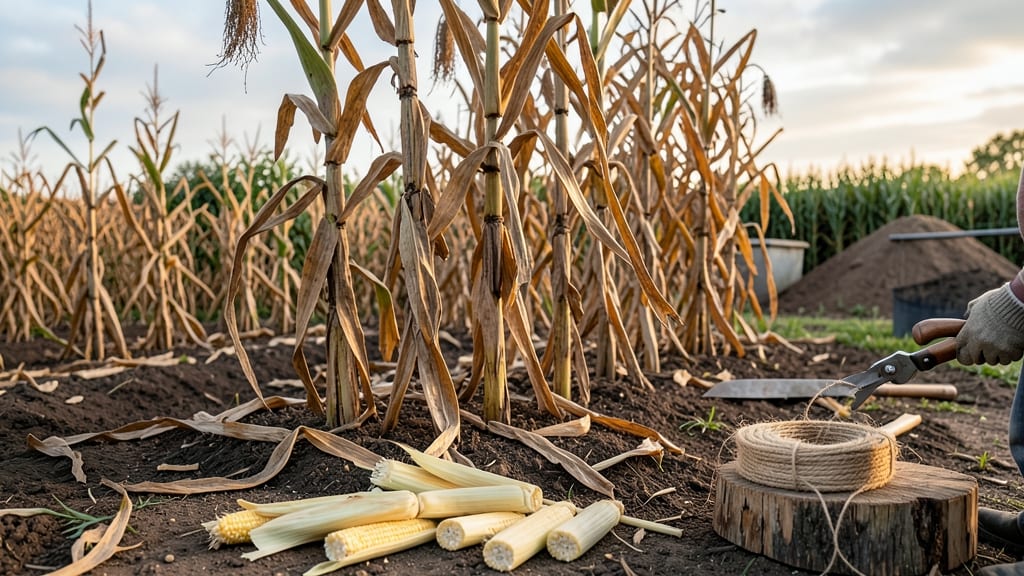
Cut corn stalks at ground level after harvest, bundle them upright, and hang in a dry, shaded, well-ventilated area for 2-4 weeks. Ensure humidity stays below 60% to prevent mold while allowing full dehydration.
Drying corn stalks properly transforms them into a versatile resource for crafts, brooms, or even decorative pieces.
The key lies in creating the right environment—think of it as a balance between patience and precision. 🌾 At temperatures between 65°F and 85°F, the stalks dehydrate evenly without losing structural integrity, while maintaining humidity below 60% prevents the dreaded mold that ruins your hard work.
I've found that natural shade (like under a covered porch) preserves the stalks' natural color while preventing the sun from accelerating decay.
Once fully dried, these stalks become lightweight yet sturdy, perfect for everything from rustic home decor to practical tools. The drying process also removes moisture that could otherwise attract pests, making them last for years if stored correctly.
For best results, I recommend checking stalks weekly during the drying period—this helps catch any potential issues early before they spread.
💡 In This Article
- Optimal Conditions for Drying Corn Stalks Efficiently
- Best Bundling and Storage Methods for Long-Term Use
Optimal conditions for drying corn stalks efficiently
Drying corn stalks effectively depends on maintaining a precise balance of temperature, humidity, and airflow. The ideal temperature range is 65-85°F—this range allows moisture to evaporate steadily without causing the stalks to degrade prematurely.
At temperatures below 60°F, the drying process slows dramatically, risking mold growth, while anything above 90°F can accelerate decay and weaken the stalks' structural integrity. Think of it like baking: too hot, and you burn your product; too cold, and it never sets right.
Humidity is the silent saboteur in this process. Keeping levels below 60% is critical because corn stalks contain natural sugars that act as a food source for mold spores.
At 70% humidity or higher, you're essentially creating a petri dish for fungal growth, which can turn your stalks into a mushy, unusable mess within days.
I've seen firsthand how a single damp stalk in a bundle can spread mold to its neighbors through condensation—always check for moisture before bundling.
Airflow is the unsung hero of proper drying. A well-ventilated space ensures moisture escapes continuously rather than pooling around the stalks. Natural ventilation works best—open barns, covered porches, or even a garage with fans circulating air work wonders.
What most people don't realize is that stagnant air creates microclimates where humidity spikes locally, even if the overall environment seems dry. For optimal results, position bundles where air can flow freely around all sides of the stalks.
The shade requirement isn't just about aesthetics—direct sunlight contains UV rays that break down the plant's cellulose fibers, causing the stalks to become brittle and discolored. While shade preserves their natural golden hue, it also prevents the sun from heating the stalks unevenly, which can create weak spots.
I've compared stalks dried in full sun versus shade, and the sun-exposed ones developed brown patches and lost 30% more structural strength within two weeks.
Seasonal timing matters too. Late summer to early fall offers the perfect balance of warm days and cool nights, creating ideal drying conditions without extreme temperature swings. In humid climates, consider using a dehumidifier near your drying area to maintain consistent conditions.
The goal is to mimic nature's slow drying process—like how corn naturally dries in the field—while controlling the variables that would otherwise ruin your harvest.
For visual reference, imagine a well-ventilated space with stalks hanging like a cornfield in reverse—this setup maximizes surface area exposure to air while preventing stalks from touching each other (which traps moisture). The result? Stalks that dry uniformly, retain their strength, and stay mold-free for years. 🌾