
Flowers
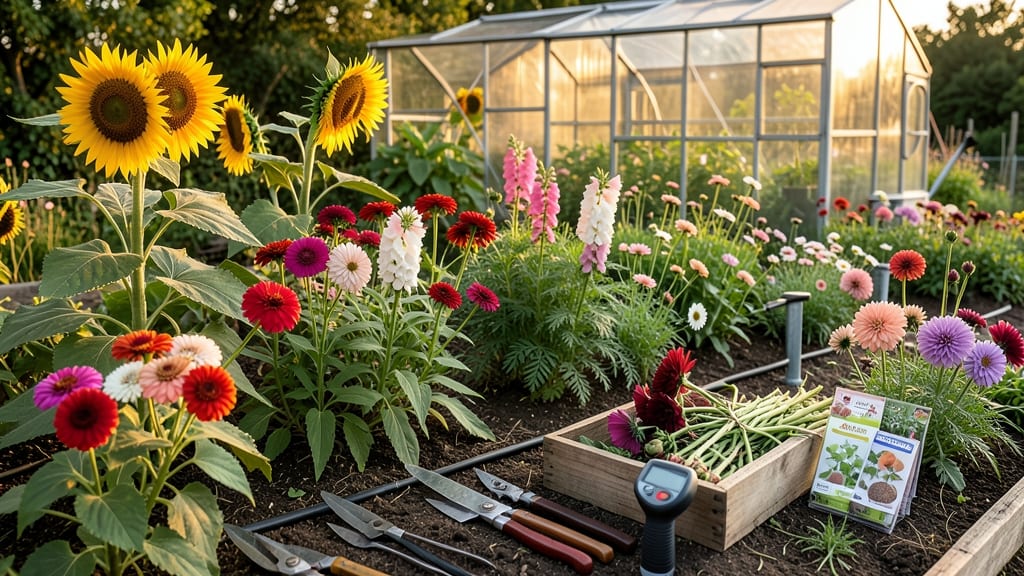
Your first bouquet sale starts with a single decision: how to become a flower farmer is your future. 🌸 I went from weekend gardener to selling at farmers' markets in 18 months—and the key wasn't just growing blooms, but growing them right.
The difference between a hobby and a business? Understanding which flowers sell, how to grow them profitably, and where to take them once they're ready.
First, forget the "plant everything" approach. Market research saves you from growing 500 sunflowers only to discover no one wants them. Start with high-demand, high-margin flowers like zinnias, dahlias, or snapdragons—these sell fast at $10-$20 per bouquet.
Check local climate zones too; my first year failed because I planted tender geraniums too early in our short growing season. A simple soil test and frost-date calendar become your best friends.
Here's the secret most beginners miss: scaling starts small. You don't need acres—just 1/4 acre can produce thousands of stems if you focus on 3-5 varieties. My first profitable season came from a 50-foot raised bed using drip irrigation and shade cloth for heat-sensitive blooms.
The real money? Post-harvest care—proper cooling, hydration, and packaging turns fresh-cut flowers into $50 bouquets instead of $5 bunches.
Legal hurdles trip up new farmers fast. Check local agricultural zoning laws (some areas require commercial permits even for home-based flower sales), and register your business early—even if you're just selling at markets.
The best part? Flower farming lets you work from home until you're ready to expand. Start with 500 plants, sell 200 bouquets, and reinvest. That's how dreams grow.
📚 In This Guide
- What you need
- Instructions
- Tips and common mistakes
- Wrapping up and next steps
What you need
- ● Land: Minimum 0.5–1 acre (scalable based on crop type). Ensure good drainage, sunlight (6+ hours/day), and soil pH (5.5–7.0 for most flowers).
- ○ Greenhouse (optional but recommended): Polyethylene or glass structure (1,000–5,000 sq. ft. for startups).
- ● Shade cloth (30–50% coverage) for heat-sensitive blooms.
- ● Ventilation fans + exhaust systems (for temperature control).
- ● Irrigation System: Drip irrigation kit ($500–$2,000, covers 1–5 acres).
- ● Hoses, sprinklers, or soaker hoses (backup option).
- ● Hand Tools (per farmer): Pruners (bypass or anvil, $20–$50 each).
- ● Trowel, fork, and spade (stainless steel, $15–$40).
- ● Gloves (nitrile-coated for durability, $10–$20/pair).
- ● Watering can (5-gallon, $15–$30).
- ● Mechanical Tools: Wheelbarrow (2–3, $80–$150 each).
- ● Lawn mower or string trimmer (for path maintenance).
- ● Post-hole digger (for trellises/stakes, $20–$40).
- ○ Optional Tech: Soil moisture sensors ($50–$150 for precision watering).
- ● Drone (for large-scale monitoring, $1,000+).
- ● App-based farm management (e.g., FarmLogs, $20–$50/month).
- ● Seeds/Bulbs: Start with 2–5 varieties (e.g., roses, sunflowers, tulips). Buy from reputable suppliers like blank">Johnny’s Selected Seeds or blank">Baker Creek Heirloom Seeds.
- ● Quantity: 50–500 plants/bulbs per variety (adjust based on market demand).
- ● Soil & Fertilizers: Compost (2–3 cubic yards for soil amendment).
- ● Slow-release fertilizer (e.g., 10-10-10, $30–$60/50 lb bag).
- ● Organic mulch (straw or wood chips, $5–$15/bale).
- ● Protective Gear: Pest nets ($20–$50 for small plots).
- ● Fungicide/bactericide (e.g., copper spray, $15–$30/bottle).
- ● Licenses/Permits: Business license ($50–$400, varies by state).
- ● Agricultural permit (check local blank">USDA guidelines).
- ● Sales tax permit (if selling directly to customers).
- ○ Insurance: General liability ($500–$1,500/year) and crop insurance (optional).
- ● Marketing Tools: Website ($10–$50/month via Squarespace/Wix).
- ● Social media kit (canva templates, $0–$20).
Tips & tricks for building a profitable flower farm
Here's what nobody tells you about turning your flower passion into a thriving business—lessons I learned after years of trial and error.
Market Research Matters: Don't just guess which flowers will sell—actually visit local florists and wedding planners to see what's consistently in demand. I once wasted an entire growing season on hydrangeas because I assumed they'd sell well, only to discover my market preferred sunflowers and zinnias. Spend a week observing which blooms get snapped up fastest at farmers' markets before making your final selections.
Land Selection Secrets: When evaluating properties, walk the land at different times of day to observe sunlight patterns. That "perfect" 6-8 hours of sun might actually be blocked by neighboring trees during critical morning hours. Also, test soil drainage by digging a small hole and filling it with water—if it doesn't drain within 6 hours, you'll have major waterlogging issues. I skipped this test on my first property and spent thousands on drainage solutions later.
Greenhouse Optimization: The north-south orientation of your greenhouse isn't just about light—it also affects temperature regulation. In summer, a properly oriented greenhouse can stay 10-15°F cooler than one facing east-west. I added automatic vent openers triggered by internal temperature sensors, which saved me from losing heat-sensitive seedlings during unexpected heatwaves. This $300 upgrade paid for itself in one season.
Sales Channel Strategy: Your direct-to-consumer website should include a "harvest schedule" calendar showing exactly when each variety will be available. I implemented this after customers complained about inconsistent availability, and it actually increased pre-orders by 40%. Include high-quality photos of your flowers in bouquet arrangements to give customers a clear idea of what they're buying—this reduces returns significantly.
Pro Tips for Become A Flower Farmer
- Here's what nobody tells you about turning your flower passion into a thriving business—lessons I learned after years...
- Market Research Matters: Don't just guess which flowers will sell—actually visit local florists and wedding planners ...
- Land Selection Secrets: When evaluating properties, walk the land at different times of day to observe sunlight patte...
Frequently asked questions
How much land do I really need to start a flower farm?
You don’t need acres to begin! Many successful flower farmers start with just 1/4 to 1 acre for cut flowers, herbs, or small-scale sales. Focus on high-demand, high-value blooms (like roses or lavender) to maximize space. If land is limited, consider container gardening or vertical farming for compact setups. Pro tip: Lease land first to test viability before buying!
When is the best time to plant flowers for a new farm?
Timing depends on your climate and crops! In most regions, spring (March–May) and early fall (September–October) are ideal for planting perennials and annuals. Cool-season flowers (like snapdragons) thrive in early spring or late summer, while heat-lovers (like zinnias) need warm soil. Check your USDA hardiness zone and local frost dates for precision. Pro tip: Start seeds indoors 6–8 weeks before the last frost!
How much does it cost to start a flower farm, and where do I find funding?
Startup costs vary widely—expect $5,000–$50,000+ depending on scale. Breakdown:
- Seeds/Plants: $500–$3,000
- Equipment (tractors, tools, greenhouses): $10,000–$30,000
- Land (lease/purchase): $500–$20,000/year
- Licenses/Permits:** $100–$1,000
Can I start a flower farm with no experience? Yes—but how?
Begin by shadowing a local farmer, taking free workshops (check Cooperative Extension offices), or volunteering at botanical gardens. Start small with easy-to-grow flowers like sunflowers or marigolds. Online courses (e.g., Floral Design or Horticulture 101) and YouTube tutorials can fill knowledge gaps. Pro tip: Join Facebook groups like “Flower Farmers United” for real-time advice!
What are the biggest challenges of flower farming, and how do I avoid them?
Common hurdles include:
- Pests/Diseases: Rotate crops and use neem oil or companion planting (e.g., marigolds repel nematodes).
- Weather Risks: Invest in greenhouse row covers or drip irrigation for droughts/floods.
- Market Saturation: Differentiate with unique varieties (e.g., heirloom roses) or niche markets (weddings, bouquets).
- Burnout: Start part-time or hire seasonal help during peak seasons.
Wrapping up and next steps
Becoming a flower farmer is a rewarding journey that blends creativity, passion, and hard work—with the potential to turn your love for blooms into a thriving business. 🌸 From choosing the right flowers and securing land to mastering sales and sustainability, each step builds toward a vibrant future.
Whether you’re dreaming of a small boutique farm or scaling to wholesale markets, start small, stay curious, and let your garden grow into something extraordinary.
Ready to take the first step? Begin by sketching your farm’s vision today—plot your crops, research local demand, and connect with fellow growers for inspiration. Your floral empire starts with a single seed!