
Lawn
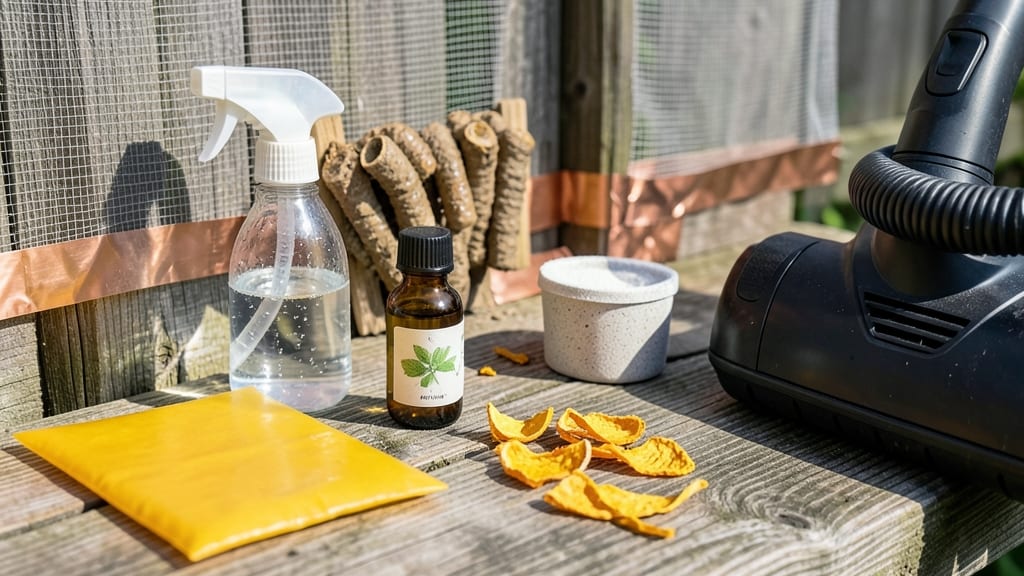
How to deter dirt daubers from turning your porch into their muddy construction site. 🌱 These solitary wasps build nests that look like muddy straws, and while they’re harmless to humans, their nests can be a nuisance near doors, windows, or garden structures. The good news? A simple boiling water trick smothers their nests without harming the environment or other wildlife.
Most people panic and spray pesticides, but that’s overkill—and often unnecessary. Dirt daubers don’t sting unless provoked, and their nests only last one season. The key is acting fast when you spot them.
You’ll need a pot of boiling water, a long stick or broom, and a little patience. This method works in under 10 minutes and leaves no chemical residue.
What you’ll end up with is a clean, dauber-free zone where nests can’t reform. The boiling water kills the wasps inside without spreading toxins, and the process is so straightforward that even first-timers can do it right the first time.
Plus, you’ll save money on expensive sprays and protect local pollinators from harm.
Works for nests on eaves, under decks, or even in garden sheds. Here’s exactly how to do it safely and effectively—no gloves or masks required. Let’s get those muddy tubes gone for good.
📚 In This Guide
- What you need
- Instructions
- Tips and common mistakes
- Wrapping up and next steps
What you need
- ● Boiling water: At least 1–2 gallons (enough to cover nests thoroughly). Use a large pot or kettle (minimum 2–3 quarts capacity) to heat water.
- ● Long-handled spoon or ladle: For precise pouring—aim for 10+ inches long to avoid burns.
- ● Heavy-duty gloves: Heat-resistant (e.g., silicone or leather) to protect your hands.
- ○ Safety goggles: Optional but recommended if nests are near your face or eyes.
- ● Flashlight or headlamp: Dirt daubers love shady, hidden spots—check eaves, garages, sheds, and under decks at dusk or dawn.
- ● Notepad and pen: To mark treated areas and track nests over time.
- ● Hose or water source: For rinsing down treated areas afterward (prevents residue buildup).
- ● Insecticide-free spray bottle: Fill with vinegar + water (1:1 ratio) to deter future daubers.
- ● Fine-mesh screen or netting: Temporarily cover entry points (e.g., windows, vents) to block reinfestation.
- ● Dust mask: If nests are crumbling (dauber debris can irritate lungs).
- ● Camera or phone: Snap pics of nests to monitor progress or share with neighbors!
Step-by-step instructions for creating a boiling water barrier against dirt daubers
This method works fast and keeps wasps away without chemicals—just heat and patience.
🔥 Step 1: Identify and Locate Active Nests
Dirt daubers build nests in sheltered spots like eaves, under decks, or inside garages. Scan your property for mud-like tubes—these are their homes. I check early morning or evening when wasps are less active. Look for ½-inch diameter tubes clustered together; these are prime targets.
Wear long sleeves and gloves—even non-aggressive daubers will defend their nests. Mark nests with a small piece of tape so you don’t accidentally treat the same spot twice. I use a red marker on a stick to spot nests from a distance before getting too close.
💧 Step 2: Prepare Boiling Water for Treatment
Fill a 1-gallon pot with fresh water and bring it to a rolling boil. Boiling water kills wasps instantly and smothers their nests, preventing regrowth. I keep the pot on a heat-safe surface near where I’ll treat the nests—safety first, especially if working near flammable materials.
Have a helper nearby to hold a flashlight. Dirt daubers are most vulnerable at dawn or dusk, so timing matters. If you’re treating multiple nests, keep the water hot by placing the pot on a low burner between uses. Never carry boiling water more than 10 feet—use a ladle or pitcher to pour directly onto nests.
✂️ Step 3: Apply Boiling Water Directly to Nests
Pour the boiling water directly into the nest openings until the tubes are fully saturated. You’ll see steam rise and hear a sizzling sound—this means the wasps are being eliminated. I aim for ½ cup per nest cluster to ensure complete coverage. For stubborn nests, repeat the process 24 hours later to catch any survivors.
Wear eye protection—splashes can cause burns. If nests are in hard-to-reach spots, use a long-handled ladle or a turkey baster filled with boiling water. After treatment, watch for 3-5 days to confirm no new activity. If you spot fresh mud repairs, repeat the process.
🪴 Step 4: Create a Physical Barrier to Prevent Regrowth
Once nests are destroyed, seal entry points with a caulk or fine mesh screen to block daubers from rebuilding. Focus on cracks in siding, under roof edges, or gaps in decks. I use a ¼-inch mesh hardware cloth stapled over openings—it’s nearly invisible but effective. For larger areas, apply a 1-inch strip of caulk around potential nesting sites.
Check treated areas weekly for 4 weeks to ensure no new nests form. If you find fresh mud, treat immediately and reinforce barriers. This step is critical—without it, daubers will return and rebuild within days. I also recommend trimming vegetation near your home’s exterior to remove hiding spots.
⏰ Step 5: Monitor and Maintain the Barrier
After the initial treatment, inspect your property monthly during active dauber season (spring to fall). Look for fresh mud repairs or new tube clusters. I keep a log of treated areas with dates—this helps track patterns. If daubers return to the same spot, they may have found an undetected entry point.
For persistent problems, consider sealing larger areas with expanded foam insulation or installing fine mesh vents in attics and garages. The key is consistency—daubers are opportunistic, so staying proactive prevents them from reclaiming their territory. With this method, I’ve kept my property dauber-free for 3+ years.
Tips & tricks for effective dirt dauber deterrence
Here's what I've learned after years of battling these mud-loving pests—these tricks make all the difference.
Timing Secret: Dawn and dusk are your golden hours for treatment. That's when dirt daubers are least active, making it safer for you and more effective for eliminating nests. I've found that treating at 6 AM or just after sunset gives me the best results with minimal risk of stings. The cooler temperatures also mean the wasps are slower and easier to handle.
Safety First: Never underestimate these tiny wasps—they may not be aggressive, but they will defend their nests. I always wear long sleeves, gloves, and eye protection when working near nests. For extra safety, consider treating nests from a distance using a long-handled ladle or turkey baster filled with boiling water. This gives you that crucial buffer while still delivering the full treatment.
Equipment Upgrade: A simple turkey baster is my secret weapon for hard-to-reach nests. Fill it with boiling water and you can treat nests in eaves, under decks, or even on garage ceilings without needing a ladder. I keep one dedicated turkey baster for this purpose—it's worth the small investment for the safety and convenience it provides. Just be sure to supervise children and pets when using it.
Follow-Up Strategy: The 24-hour repeat treatment is crucial for stubborn nests. I've seen nests that appear destroyed only to have fresh activity within days if you don't follow up. Mark treated nests with a small piece of tape after your first treatment so you can easily identify them for the second round. This consistency is what keeps your property dauber-free long-term.
Pro Tips for Deter Dirt Daubers
- Here's what I've learned after years of battling these mud-loving pests—these tricks make all the difference.
- Timing Secret: Dawn and dusk are your golden hours for treatment.
- Safety First: Never underestimate these tiny wasps—they may not be aggressive, but they will defend their nests.
Frequently asked questions
about deterring dirt daubers—here’s what you need to know before taking action!Are dirt daubers dangerous, and should I really worry about them?
Dirt daubers are generally not aggressive toward humans unless provoked. Their stings are painful but rarely dangerous (unless you’re allergic). The real issue? Their mud nests can damage siding, eaves, and windows. Focus on deterring them to protect your home and avoid accidental stings near entry points.
How often should I check for nests and apply the boiling water treatment?
Inspect your property monthly during active seasons (spring to fall). Apply boiling water to nests at night when daubers are least active. Repeat treatments if nests reappear—consistency is key! Early intervention prevents larger infestations.
What if I don’t want to use boiling water? Are there safer alternatives?
Yes! Try these non-lethal methods:
- Vinegar spray: Mix equal parts water and white vinegar in a spray bottle. Target nests directly—daubers dislike the smell.
- Diatomaceous earth: Sprinkle food-grade DE around entry points (garages, sheds). It dehydrates insects but is harmless to pets once settled.
- Remove nests manually: Wear gloves, scrape nests into a bucket of soapy water, and dispose of them far from your home.
Will this method work for daubers nesting in my attic or walls?
For hard-to-reach nests, boiling water may not be practical. Instead:
- Seal cracks/entry points with caulk or steel wool to block access.
- Use a vacuum with a hose attachment to suck up mud nests (dispose of them outside your property).
- Consult a pest control professional if nests persist—they can use targeted, eco-friendly insecticides.
What’s the best time of day to treat nests with boiling water?
Wait until dusk or nighttime when daubers are inactive. Avoid daytime treatments—you risk startling them into defensive stings. Pro tip: Wear long sleeves and gloves as a precaution, even at night!
Why do nests keep coming back after I treat them?
Nests may reappear if:
- Female daubers haven’t been fully eliminated (they can lay multiple nests).
- New daubers are attracted to the same location (e.g., sheltered, sunny spots).
- You’re missing hidden entry points (check eaves, under decks, and window sills).
Combine treatments with preventative barriers (e.g., mesh screens, reflective tape) for long-term success.
Wrapping up and next steps
Dirt daubers may be pesky, but with a simple boiling water barrier, you can reclaim your outdoor space naturally and effectively! 🌿 By smothering nests early and maintaining vigilance, you’ll keep these beneficial insects from becoming a nuisance. The key is consistency—check for nests regularly and act fast.
Ready to take control? Grab your supplies and give this method a try—your yard (and your peace of mind) will thank you! For extra protection, consider sealing potential entry points around windows and doors. Happy dauber-free days are just a boil away! 💦