
Propagation
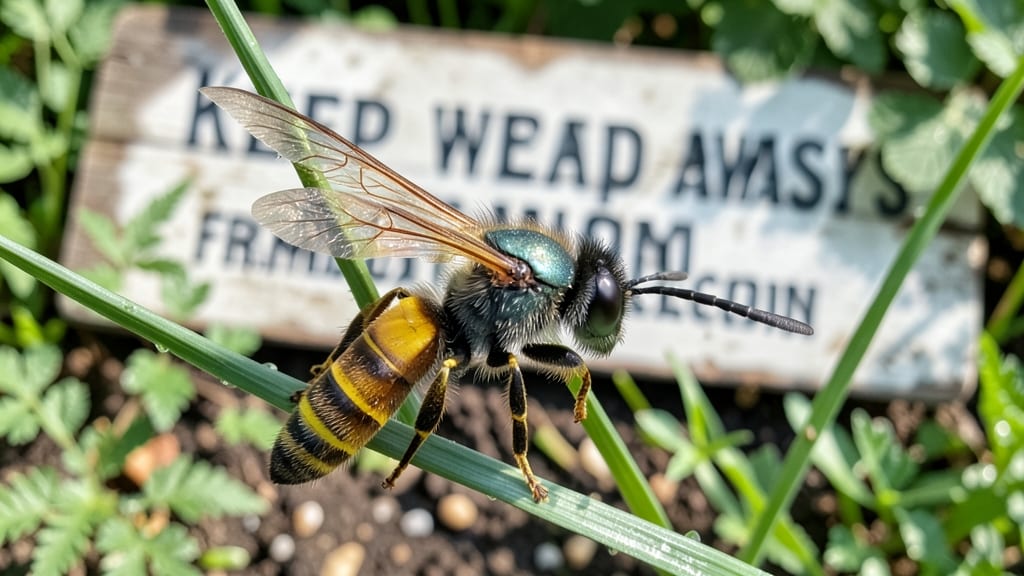
How to keep wasps away from your balcony—it’s easier than you think! 🌿 I’ve battled them for years—until I discovered the two things they absolutely despise: citrus peels and mint. The secret isn’t complicated, but it works like magic when you combine these natural repellents with a few smart placement tricks.
Start with citrus peels—wasps hate the scent, and they’re free. Toss orange or lemon peels around your planters, near seating areas, or even in a bowl of water. Add fresh mint in pots or scattered stems—its strong aroma masks the scents that attract wasps.
The combo creates a barrier they’ll avoid, and it’s safer than sprays for kids and pets.
You’ll notice fewer wasps within 24-48 hours, and your balcony will feel like a wasp-free zone again. The best part? These methods work year-round, whether you’re grilling, dining, or just enjoying the view. No more swatting or panicking—just a peaceful outdoor space.
Fair warning: If you see nests, don’t disturb them. Call a pro instead—wasps can get aggressive when threatened. But for everyday deterrence, this citrus-mint combo is your new balcony superhero.
The Real Reasons Wasps Invade
Wasps may seem like they’re just buzzing around randomly, but they’re actually drawn to your balcony for very specific—and often avoidable—reasons. Understanding these triggers is the first step to creating a wasp-free outdoor space. Here’s why these stinging pests keep showing up uninvited.
Wasps have a sugar craving—it’s their primary energy source. When they scout for food, they’re drawn to anything sweet, sticky, or fermenting. On your balcony, this could be:
- Open drinks: Soda cans, fruit juices, or even beer left unattended release sweet fumes that signal a food source. Wasps can detect these scents from up to 30 feet away.
- Fruit and produce: Overripe bananas, watermelon rinds, or even grapes emit sugars that attract wasps. Even citrus peels (like orange or lemon rinds) can become a magnet if left exposed.
- Spilled liquids: Syrup, honey, or even sticky residue from candy can linger on tables or railings, creating invisible traps for wasps.
Pro tip: 💡 Wasps also love protein-rich foods like meat, cheese, or pet food. If you’re grilling or feeding pets outside, cover food immediately—wasps will swarm within minutes.
Wasps don’t just visit—they settle in. Your balcony or its immediate surroundings might offer the perfect conditions for a nest. Here’s what they look for:
- Protected crevices: Wasps prefer hidden, sheltered spots like under eaves, inside potted plant saucers, or even behind outdoor furniture cushions. A single paper wasp queen can start a colony with just 20–50 workers by summer!
- Pre-built cavities: Old bird nests, hollow railings, or gaps in balcony screens create ideal nesting sites. Wasps repurpose these spaces with chewed wood and saliva.
- Proximity to food sources: If your balcony is near a garden, compost bin, or even a neighbor’s trash can, wasps will patrol the area for easy meals.
Did you know? 🔥 Some wasp species, like German yellowjackets, are aggressive foragers and will defend food sources with stings—even if they’re not nesting nearby.
Believe it or not, certain plants and scents actively attract wasps. While some flowers (like lavender or marigolds) repel them, others invite them:
- Fruiting plants: Tomatoes, berries, and even citrus trees (ironically!) produce scents that mimic fermenting fruit—wasps’ favorite snack.
- Damp or rotting wood: Wasps use decaying wood to build nests, so old logs, untreated lumber, or mulch piles can become nesting hotspots.
- Strong floral perfumes: Some commercial air fresheners or heavily scented candles (like vanilla or coconut) can attract wasps, confusing them with natural food signals.
Watch out for: 🌡️ Mint and citrus (common wasp repellents) can sometimes backfire if overused—wasps may associate the scent with food if it’s near sweet treats.
Wasps are seasonal opportunists, and their behavior shifts with temperature and humidity:
| Season | Why Wasps Show Up | Peak Activity Time |
|---|---|---|
| Spring | Newly emerged queens search for protein (meat, insects) and water to build colonies. They’re less aggressive but more persistent. | Early morning (6–9 AM) and late afternoon (4–7 PM) |
| Summer | Full colonies swarm for sugar (your drinks, fruit) and expand nests. Most stings occur during this time. | Midday (10 AM–2 PM) when it’s warm |
| Fall | Wasps scavenge for food before winter, becoming more aggressive as colonies decline. | Golden hour (sunset) when they’re hunting |
Key insight: 🎯 Wasps are cold-blooded—they’re lethargic below 50°F (10°C) but hyperactive above 75°F (24°C). A warm balcony in summer = wasp traffic jam.
Now that you know why wasps target your balcony, the next step is how to outsmart them. Stay tuned for actionable tips—like using citrus peels and mint to create a wasp-proof barrier they’ll avoid!
Practical Fixes for Wasps on Balconies
Now that you understand why wasps are drawn to your balcony, let’s tackle the problem with effective, easy-to-implement solutions. These fixes target the root causes—food, water, and nesting sites—while keeping your outdoor space wasp-free without harsh chemicals.
---
Wasps despise certain scents, so strategically placing these around your balcony creates an invisible barrier.
#### 🌿 Citrus Peels & Mint Barrier - How to do it: 🍊 Slice lemons, limes, or oranges and place the halves near entry points (doors, windows, or railing gaps). 🌿 Bundle fresh mint sprigs in a small mesh bag or scatter mint leaves near seating areas. - Why it works: The strong citrus and mint oils disrupt wasp scent trails, confusing them and deterring them from landing. - Pro tip: 💡 Refresh the peels every 2–3 days for maximum potency.
#### 🌸 Essential Oil Spray - Recipe: Mix 10 drops of peppermint, eucalyptus, or tea tree oil with 1 cup of water in a spray bottle. Lightly mist balcony railings, chairs, and plant pots (avoid direct contact with plants). - Reapply: Every few days or after rain.
---
Wasps are opportunistic scavengers—remove their incentives to visit.
#### 🍹 Seal Food & Drinks - Before eating/drinking outside: 🍔 Cover food with lids or use wasps-proof mesh screens over plates. - Clean up immediately: 🧹 Wipe down tables, sweep crumbs, and dispose of trash in sealed bins (not open bags). - Avoid sweet drinks: 🍹 Opt for unsweetened beverages or use red-colored cups (wasps are less attracted to red).
#### 💧 Remove Standing Water - Check for: 🚰 Puddles in plant saucers, leaky faucets, or birdbaths. - Solution: 💦 Empty water sources daily or add **mosquito dunks (with Bacillus thuringiensis israelensis)—they also deter wasps.
---
Wasps nest in hidden spots. Inspect and seal potential entryways.
#### 🕳️ Inspect & Seal Gaps - Common nesting spots: 🏠 Under eaves, behind shutters, in potted plant soil, or inside wall cracks. - How to block: - Fill gaps with caulk or steel wool (wasps can’t chew through it). - Cover vents with fine mesh screens. - Check potted plants: 🌱 Remove nests by spraying soapy water (1 tbsp dish soap + 1 quart water) at night when wasps are less active.
#### 🕯️ Use Yellow Lights (Not White!) - Problem: White lights attract wasps. - Fix: Switch to yellow bug lights or LED bulbs with yellow/orange hues—they’re less visible to wasps.
---
If wasps are already nesting, remove them safely without harming the colony (unless it’s aggressive).
#### 🕷️ DIY Wasps Trap (Non-Toxic) - Materials: 🥫 A plastic bottle, sugar water (1:3 ratio), and dish soap. - How to make it: 1. Cut the bottle in half and invert the top into the bottom (funnel shape).
2. Add sugar water + 1 tbsp soap (soap breaks their wings). 3. Place near the nest—wasps enter but can’t escape. - Pro tip: 🌙 Set traps after sunset when wasps are less aggressive.
#### 🏗️ Professional Removal for Large Nests - When to call an expert: If the nest is larger than a basketball or in a hard-to-reach spot (e.g., ceiling). - Why? 🚨 DIY removal can provoke attacks—professionals use CO₂ freezing or vacuum extraction to relocate colonies safely.
---
Once your balcony is wasp-free, keep it that way with these habits.
#### 🌿 Maintain a "Wasp-Unfriendly" Balcony - Plant repellents: 🌿 Grow lavender, basil, marigolds, or lemongrass in pots—their scents deter wasps naturally. - Regular checks: 🔍 Inspect weekly for new nests or food sources.
#### 🧼 Keep It Clean Year-Round - Winter prep: 🍂 Remove fallen fruit, empty gutters, and store outdoor cushions indoors. - Spring/summer: 🌞 Double-check for new nests after rain (wasps love damp wood).
---
While these fixes work for most cases, seek professional help if: - You see aggressive wasps swarming in large numbers. - The nest is inside a wall or under the roof (hard to access). - You or someone in your home has allergies to stings.
--- Final Thought: 🎯 A little prevention + natural deterrents can make your balcony wasp-free in no time. Start with citrus peels and mint, eliminate food/water sources, and block entry points—soon, you’ll enjoy your outdoor space without unwanted buzzing guests**!
Frequently asked questions
Can I use vinegar to repel wasps from my balcony?
Yes, but it works differently than you might expect! Mix equal parts white vinegar and water in a spray bottle and lightly mist areas where wasps gather—like railings or plant pots. The strong smell disrupts their scent trails. For best results, reapply every 2-3 days, especially after rain.
Will wasps eventually leave my balcony if I ignore them?
Not likely—they’ll stay as long as food or water sources remain. Wasps are persistent foragers, and ignoring them often leads to larger nests. Remove attractants (like open drinks or fruit) and block entry points to encourage them to move on within 1-2 weeks.
Are there plants that actually attract wasps I should avoid?
Yes! Avoid planting tomatoes, berries, or citrus trees near seating areas—their scents mimic fermenting fruit, which wasps love. Even lavender can sometimes attract them if overused. Stick to repellent plants like basil, marigolds, or lemongrass instead.
How do I safely remove a small wasp nest from my balcony?
For nests smaller than a golf ball, wait until nightfall when wasps are less active. Spray the nest with soapy water (1 tbsp dish soap + 1 quart water) to suffocate them, then remove the nest with gloves. Never disturb nests during the day—wasps become aggressive when threatened.
Can wasps build nests in potted plants?
Absolutely—they love hidden spots! Check the soil surface or under plant saucers for paper-like nests. To prevent this, elevate pots off the ground and inspect soil regularly. If you find a nest, remove the plant to a sealed bag and dispose of it far from your home.