
Pruning
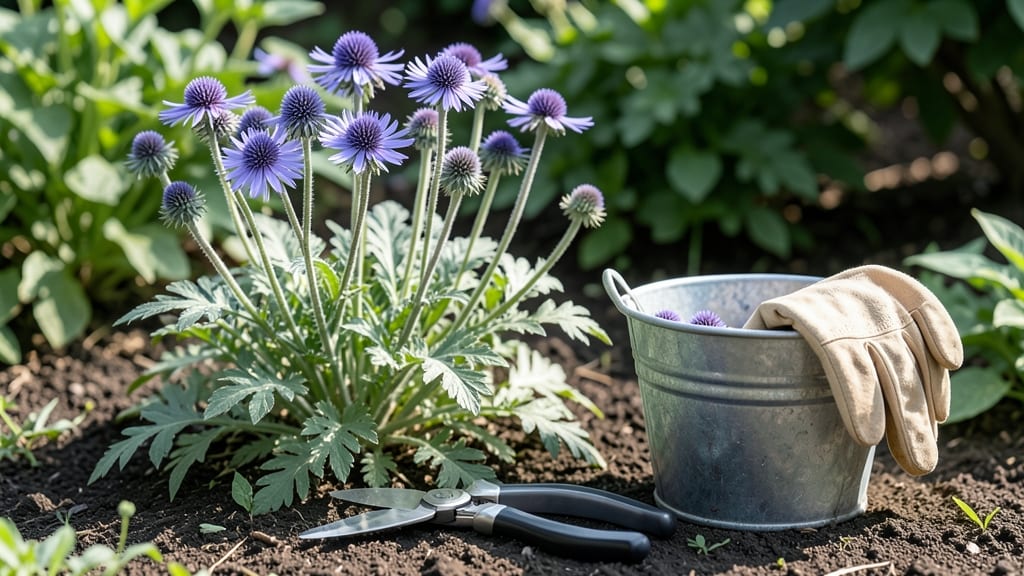
Deadheading scabiosa transforms your garden from a single burst of blooms to a nonstop summer display. ✨ I learned the hard way—skipping this step means fewer flowers and leggy stems. The secret? Timing and precision cuts that keep plants blooming longer.
You only need clean pruners and a sunny afternoon. Snip just above the next set of leaves (about ½ inch below the faded flower head), and watch new buds form within weeks. This simple step extends blooming by 4-6 weeks—my plants kept flowering until first frost!
The payoff is dramatic: bushier plants, more vibrant blooms, and a garden that stays lively long after neighbors' flowers fade. Just stop deadheading in late summer to let seeds set for next year’s natural spread.
Works for all scabiosa varieties—Scabiosa columbaria, Scabiosa atropurpurea, and even the tall Scabiosa caucasica. Here’s how to do it right the first time!
📚 In This Guide
- What you need
- Instructions
- Tips and common mistakes
- Wrapping up and next steps
What you need
- ● Pruning shears: Bypass pruners (sharp, clean, and sterilized) for precision cuts—1 pair (avoid dull tools to prevent crushing stems!)
- ● Gloves: Garden gloves (nitrile-coated for grip and protection) to shield hands from thorns—1 pair.
- ● Disposable gloves or alcohol wipes: For sterilizing tools between cuts (prevents disease spread)—small pack.
- ● Bucket or trash bag: For collecting spent blooms—1 medium-sized (1–2 gallons).
- ○ Water spray bottle: (Optional but handy) To rinse tools mid-session—8–16 oz.
- ● Timing: Deadhead on a dry, sunny morning when blooms are fully open but before seeds form (typically every 7–10 days in peak bloom).
- ● Weather check: Avoid deadheading if rain is forecasted within 24 hours (wet stems invite fungal issues).
- ● Plant health: Ensure your Scabiosa is well-watered 1–2 days prior (hydrated plants recover faster).
- ● Sharpen your shears: A quick file or hone ensures clean cuts—no jagged edges = less stress on the plant!
- ● Mark your tools: Use a permanent marker to label shears if you garden with others (avoids mix-ups!).
- ● Compost plan: If your blooms are pest/disease-free, toss them into a hot compost pile (they’ll break down fast!).
Step-by-step instructions for deadheading scabiosa
Here's my foolproof method for keeping your pincushion flowers blooming all summer long.
✂️ Step 1: Identify the Right Flowers to Trim
Scabiosa produces two types of blooms: the showy, rounded flower heads you love and the smaller, less conspicuous buds forming below. Only remove the fully spent flower heads—those with browned or wilted petals that have lost their color. These are easy to spot: they'll look flat and dried out compared to the fresh, rounded blooms.
I like to work in the early morning when dew is present. The moisture makes the stems slightly softer, making them easier to grip and snip cleanly. Avoid cutting stems that still have green buds forming—these will produce new flowers. Look for the distinctive flat, papery appearance of a finished bloom head.
✂️ Step 2: Use the Proper Cutting Technique
Grab your clean, sharp pruners and make your cut at a 45-degree angle, about ½ inch above the next set of leaves or side buds. This angled cut prevents water from pooling on the stem, which can cause rot. The slight upward angle also encourages water to run off rather than sit on the cut surface.
I always make the cut just above a leaf node or bud. This ensures the plant can quickly produce new growth from that point. If you cut too close to a bud, you risk removing the growth point entirely. For scabiosa, you'll often find multiple flower stems emerging from the same base—trim each individual spent stem rather than shearing the whole cluster.
☀️ Step 3: Maintain Proper Timing and Frequency
Deadhead your scabiosa every 3-5 days during peak bloom season (late spring through early fall). This frequent maintenance prevents the plant from wasting energy on seed production. You'll know it's time when more than 30% of your visible blooms show signs of wilting or browning.
Real talk: don't wait until the flowers look completely ragged. The moment you notice three or more spent blooms on a single stem, that's your cue to trim. Consistent deadheading keeps your plants producing fresh blooms rather than letting them go to seed prematurely. I set a reminder on my phone for every Thursday and Sunday—it's become a quick 10-minute gardening habit.
🌿 Step 4: Encourage Bushier Growth and More Blooms
After deadheading, step back and assess your plant's overall shape. If you notice bare stems or leggy growth, it's time to give your scabiosa a light pruning. Cut back the longest stems by one-third to encourage bushier growth. This stimulates the plant to produce more side shoots, which in turn create additional flower stems.
Here's the thing—scabiosa responds beautifully to this technique. Within 7-10 days of a light pruning, you'll often see new growth emerging from the leaf nodes. This new growth will quickly develop into fresh flower buds. I always prune after a heavy rain when the soil is moist—this helps the plant recover more quickly from the stress of trimming.
💧 Step 5: Provide Post-Deadheading Care
After deadheading, give your plants a deep watering to help them recover. The roots will need extra moisture to support the new growth stimulated by your trimming. Water at the base of the plant rather than overhead to prevent fungal diseases from developing on the fresh cuts.
For the next 48 hours, keep an eye on your plants. If you notice any wilting or yellowing leaves, it's often a sign of transplant shock from the pruning. This is normal and temporary. Most scabiosa varieties bounce back quickly, especially when given consistent moisture. I like to add a balanced liquid fertilizer to the water every other week during the blooming season to support all that new growth.
Tips & tricks for perfect scabiosa deadheading
These precision techniques will help you extend your pincushion flowers' bloom time while keeping your plants healthy and vigorous.
Timing Secret: The early morning is ideal for deadheading because dew softens the stems, making them easier to grip and cut cleanly. I've found that working when the flowers are still cool from the night reduces the risk of tearing delicate stems. If morning isn't possible, do it in the evening when temperatures are cooler—this helps prevent stress on the plant. The key is to avoid midday heat when the stems are most brittle.
Cutting Precision: That 45-degree angle in Step 2 isn't just about aesthetics—it's about plant health. The angled cut creates more surface area for water absorption while preventing pooling that can lead to rot. I like to visualize making the cut like a slice of pizza—this mental image helps me maintain consistency. For stubborn stems, I'll make a small initial cut to loosen the bloom head before completing the angled cut. This two-step approach prevents the stem from snapping back and causing uneven cuts.
Growth Stimulation: When you notice leggy growth in Step 4, don't hesitate to cut back those long stems by one-third. This might seem drastic, but scabiosa is remarkably resilient. The plant responds by producing multiple side shoots from the leaf nodes, which quickly develop into new flower stems. I've seen plants that were nearly bare after winter produce a full, bushy appearance within just 10 days of this pruning technique. The secret is to make these cuts after rain when the soil is already moist—this gives the plant an immediate water boost to recover.
Post-Deadheading Care: That 48-hour observation period in Step 5 is crucial for monitoring your plant's recovery. During this time, I keep a spray bottle handy to give any wilting leaves a quick mist if needed. The key is to watch for signs of stress—yellowing leaves or excessive wilting—rather than waiting for problems to develop. Most scabiosa varieties show remarkable resilience, but consistent moisture during this period helps them bounce back even more quickly. I've found that adding a balanced liquid fertilizer to the water every other week during this time gives the plants an extra boost of nutrients to support all that new growth.
Pro Tips for Deadhead Scabiosa
- These precision techniques will help you extend your pincushion flowers' bloom time while keeping your plants healthy and vigorous.
- Timing Secret: The early morning is ideal for deadheading because dew softens the stems, making them easier to grip and cut cleanly.
- Cutting Precision: That 45-degree angle in Step 2 isn't just about aesthetics—it's about plant health.
Frequently asked questions
When is the best time to deadhead Scabiosa?
Deadhead your Scabiosa as soon as the flowers fade—ideally in the morning when blooms are still crisp. This prevents seed formation and encourages fresh blooms. For continuous color, check plants every 2–3 days during peak bloom (late spring to early fall). Avoid deadheading in late summer if you want seeds for next year’s garden!
Do I need special tools to deadhead Scabiosa?
Nope! Use clean, sharp pruning shears or even your fingers for small stems. A small hand pruner works best for thick clusters. Disinfect tools with rubbing alcohol between cuts to avoid spreading disease. For delicate stems, snip just above the first set of healthy leaves—no fancy tools required!
What if my Scabiosa stops blooming after deadheading?
If blooms taper off, check for these culprits:
- Over-pruning: Leave at least 3–4 inches of stem with leaves.
- Underwatering: Scabiosa loves well-draining soil—water deeply 1–2x/week.
- Nutrient deficiency: Feed with a balanced fertilizer (10-10-10) every 4–6 weeks.
- Pests: Inspect for aphids or spider mites—spray with neem oil if needed.
Can I deadhead Scabiosa in rain or humidity?
Avoid deadheading when plants are wet to prevent fungal issues (like powdery mildew). Wait until foliage is completely dry—morning is ideal. If you must prune in damp conditions, sterilize tools and trim only essential spent blooms. Humidity-loving Scabiosa still thrives with dry trims!
What’s the difference between deadheading and pruning Scabiosa?
Deadheading = removing spent blooms to encourage more flowers. Pruning = cutting back entire stems (by 1/3) in early spring or after blooming to shape the plant. For Scabiosa:
- Deadhead: Pinch off faded flowers daily/weekly.
- Prune: Trim leggy stems in late winter to promote bushier growth.
Wrapping up and next steps
Deadheading Scabiosa is your secret weapon for prolonged, vibrant blooms—and now you’ve got the know-how! 🌸 With just a few simple steps, you’ll keep your pincushion flowers looking fresh, encourage new growth, and enjoy a garden that stays in full swing all summer. Don’t wait—grab those shears and give your plants the TLC they deserve!
Ready to level up your pruning skills? Next, explore how to propagate your deadheaded cuttings or dive into other pruning techniques for long-lasting blooms. Your garden’s next masterpiece starts here! ✨