
Propagation
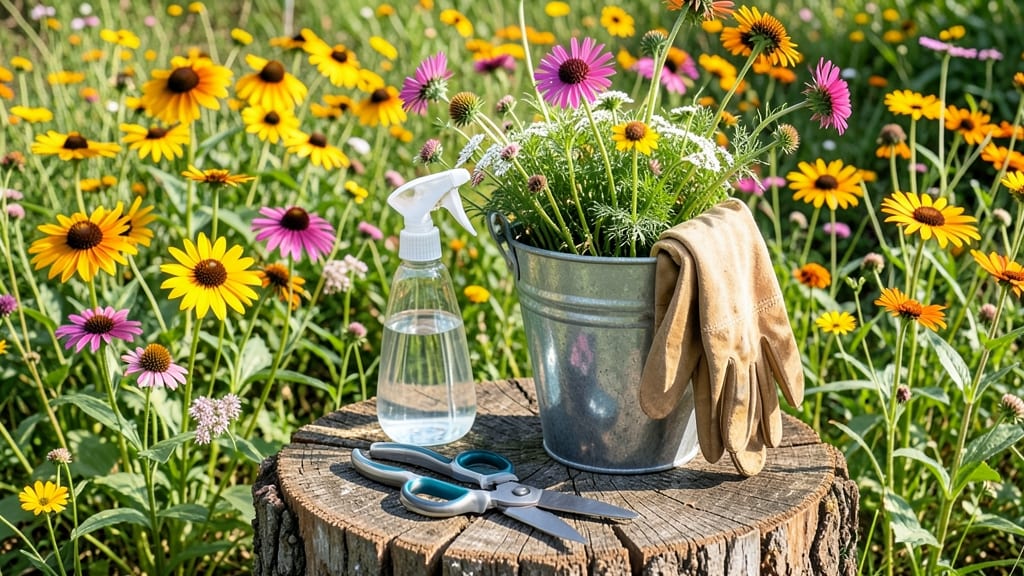
Your wildflower bouquets could last two weeks instead of a week with just one cut. ✂️ The secret lies in the angle, timing, and stem length—details most gardeners overlook while harvesting. I’ve spent years perfecting this technique, and now my wildflower arrangements stay vibrant long after store-bought bouquets wilt.
Start with sharp pruners or clean scissors—dull blades crush stems, shortening vase life. Cut stems at a 45-degree angle just above a leaf node, and aim for 12-18 inches of stem length. This angle maximizes water uptake, while longer stems provide stability.
Delicate blooms like baby’s breath need extra care, while robust stems like black-eyed Susans can handle rougher handling. After cutting, strip lower leaves and place stems in lukewarm water immediately. Change the water every 2-3 days and trim stems again at an angle to refresh them.
Store extras in a cool, dark place wrapped in damp paper towels—they’ll last 5-7 days this way, ready for your next arrangement. Wildflowers thrive when cut early morning or late evening, avoiding peak heat.
Avoid invasive species like knapweed or leafy spurge, and always harvest no more than 1/3 of the plant to preserve your garden’s beauty. Now go snip—your bouquets will thank you!
📚 In This Guide
- What you need
- Instructions
- Tips and common mistakes
- Wrapping up and next steps
What you need
- ● Sharp pruning shears or floral scissors – Look for bypass blades (not anvil-style) to avoid crushing stems. A 5-inch to 7-inch size works best for most wildflowers.
- ● Clean, sharp knife or razor blade – A 3-inch utility knife or safety razor blade (for delicate stems) as a backup.
- ● Bucket or vase of fresh, cool water – A 5-gallon bucket (for bulk harvesting) or a clear glass vase (for immediate arrangements).
- ● Newspaper or damp cloth – To lay out flowers while trimming and protect surfaces.
- ● Rubbing alcohol (70% isopropyl) or bleach solution – 1 part bleach to 9 parts water to sterilize tools and buckets (prevents bacterial growth).
- ● Floral preservative – Commercial mixes (like Floralife) extend vase life by 3–5 days.
- ● Waterproof marker – To label bouquets by location/date (helpful for tracking freshness!).
- ● Gloves – Lightweight gardening gloves protect hands from thorns or sap (e.g., milkweed or thistles).
- ● Twine or elastic bands – For bundling stems while transporting.
- ● Small spray bottle with water – Keeps delicate blooms hydrated during transport.
Tips & tricks for perfect wildflower arrangements
These precision techniques will help you transform your wildflower harvest into bouquets that stay vibrant for days.
Timing is Everything: Harvest wildflowers between 6:00 AM and 9:00 AM when stems are fully hydrated from morning dew. This is when buds are firmest and stems contain the most water—critical for longevity. I've learned this the hard way after cutting too late in the day and watching bouquets wilt within 24 hours. If you must harvest later, immediately place stems in cool water and recut under water to refresh them.
Tool Precision Matters: The 45-degree angle cut about 2-3 inches from the base isn't just about looks—it's about physics. This angled cut creates more surface area for water absorption, which is why your bouquets last longer. Use a sharp tool and clean it between cuts with rubbing alcohol to prevent bacterial buildup that can shorten vase life. I keep a small bottle of alcohol in my cutting bucket for quick sanitization between batches.
Hydration Strategy: The 30-minute soak in lukewarm water is non-negotiable for wildflowers. This rehydration step opens up the stem cells, allowing them to drink up more water immediately. For maximum results, add 1 teaspoon of sugar per quart of water to provide energy for the flowers. This simple addition can extend vase life by an extra 2-3 days. Just be sure to change the water every 2-3 days as instructed to maintain freshness.
Pro Tips for Cut Wildflowers
- These precision techniques will help you transform your wildflower harvest into bouquets that stay vibrant for days.
- Timing is Everything: Harvest wildflowers between 6:00 AM and 9:00 AM when stems are fully hydrated from morning dew....
- Tool Precision Matters: The 45-degree angle cut about 2-3 inches from the base isn't just about looks—it's about phys...
Frequently asked questions
Got questions about cutting wildflowers like a pro? Here are some of the most common ones—plus expert answers to help you master the art of harvesting stems that stay fresh for days!
When is the best time of day to cut wildflowers?
The early morning (just after dew dries but before the heat peaks) is ideal—stems are hydrated, and blooms are at their freshest. Avoid cutting in the afternoon when flowers may wilt faster due to heat stress. Pro tip: Harvest after rain for extra moisture in the stems!
How do I know which stems to cut for the longest vase life?
Look for stems that are firm, not woody or hollow, and have leafy growth near the base (this helps absorb water). Avoid overcrowded stems—thin out dense clusters to reduce competition for nutrients. Cut at an angle (about 45 degrees) to maximize water uptake!
Can I cut wildflowers from my garden or do I need to forage?
Many garden wildflowers (like black-eyed Susans, coneflowers, or milkweed) thrive when cut responsibly. Just avoid over-harvesting—leave at least 1/3 of the plant to ensure regrowth. Foraging is great too, but check local regulations to protect native ecosystems.
Why are my cut wildflowers wilting so fast?
Wilting often means poor hydration or ethylene gas buildup (a natural aging hormone). Fix it by:
- Recutting stems underwater
- Using lukewarm water (not cold) with a floral preservative
- Removing lower leaves to prevent bacterial growth
- Avoid placing near ripe fruits or vegetables (they release ethylene!)
How do I store wildflowers overnight before arranging?
Store stems in a bucket of fresh, cool water (50–60°F) in a dark place (like a fridge). For extra longevity, add 1 tsp sugar + 1 drop bleach per quart of water to slow bacterial growth. Change the water every 24 hours—stale water = sad flowers!
Wrapping up and next steps
Cutting wildflowers with care ensures they stay vibrant and fresh for days—even weeks! 🌸 Whether you’re harvesting blooms for bouquets or preserving their beauty, the right techniques make all the difference. Remember: sharp tools, clean cuts, and proper storage are your best friends.
Now that you’re equipped with the know-how, grab those shears and get creative! Try experimenting with different wildflower varieties, or share your newfound skills with fellow gardening enthusiasts. Happy harvesting—your future arrangements will thank you! 🌿✨