
Orchid Care
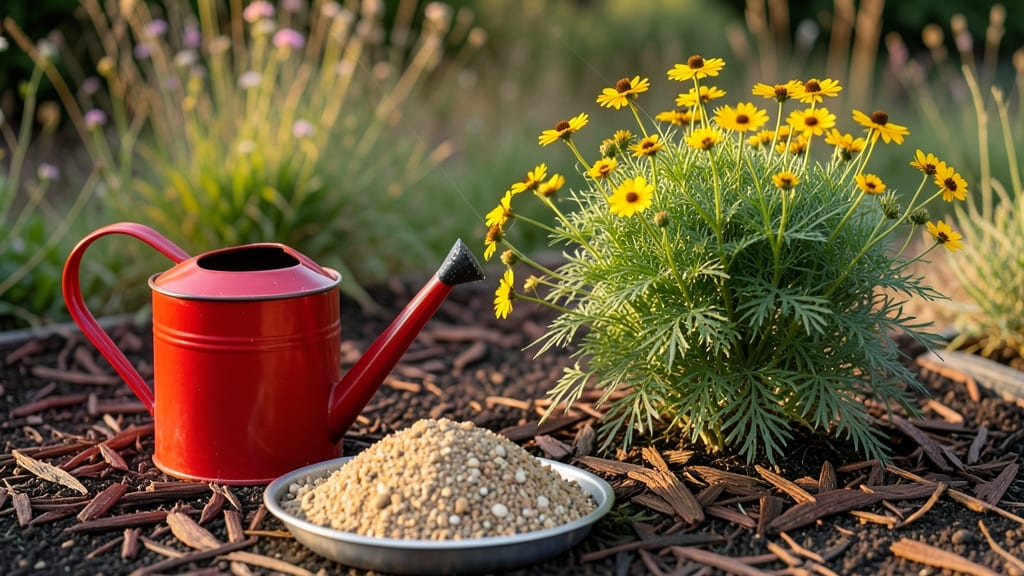
How to care for tickseed coreopsis is easier than you’d think—this plant blooms like it’s auditioning for a sunflower competition: bright, cheerful, and impossible to ignore. 🌻 The secret? It’s one of the most forgiving perennials out there, thriving with less fuss than most annuals. I’ve grown mine in everything from rocky slopes to containers, and they’ve never complained (unlike my neighbor’s finicky hydrangeas). This plant practically begs for neglect: six hours of sun, occasional watering, and zero hand-holding. The real magic happens in well-draining soil—sandy loam or amended garden beds work best. Overwatering is the only way to ruin its day, so let the top inch dry between drinks. Prune back the spent blooms in late summer to trigger a second flush of flowers, and watch it bounce back like a golden rubber ball. By mid-summer, you’ll have a cloud of buttery-yellow or pink daisies that hummingbirds can’t resist. The foliage stays tidy, the stems rarely flop, and it self-seeds like crazy—meaning more free plants next year. Even my black thumb can’t kill these, and that’s saying something. Here’s the kicker: tickseed coreopsis handles drought, poor soil, and even deer nibbles better than most. Once established, it’s basically a zero-maintenance superstar. Let’s get yours growing like it’s been there forever.
📚 In This Guide
- What you need
- Instructions
- Tips and common mistakes
- Wrapping up and next steps
What you need
- ● Well-draining potting mix: A blend of cactus/succulent mix (60%) and perlite or coarse sand (40%) for optimal aeration.
- ● Pot or container: Choose a pot with drainage holes (6–12 inches in diameter, depending on plant size). Terracotta or fabric pots work great!
- ● Tickseed coreopsis plants: Start with healthy nursery-grown seedlings or seeds (if propagating from seed).
- ● Watering can or hose with a gentle spray nozzle: Avoid overwatering—tickseed hates soggy roots!
- ● Fertilizer: A balanced, water-soluble fertilizer (10-10-10 or 20-20-20) diluted to half-strength for feeding.
- ● Pruning shears: Sharp, clean shears for trimming spent blooms or leggy stems.
- ● Mulch: Gravel or pine bark to retain moisture and suppress weeds (especially for outdoor plantings).
- ○ Plant supports (optional): Small stakes or cages if your variety grows tall and floppy.
- ● pH testing kit: To ensure your soil stays in the ideal range of 5.5–7.0.
- ● Slow-release fertilizer granules: For a low-maintenance nutrient boost over time.
- ● Garden gloves: To keep your hands clean while handling soil or pruning.
Step-by-step instructions for growing tickseed coreopsis
Here's how I keep my coreopsis thriving with bold blooms—once you get the basics right, they practically grow themselves.
🌱 Step 1: Plant in Well-Draining Soil with Full Sun
Coreopsis demands 6-8 hours of direct sunlight daily—no compromise here. I plant mine in raised beds with a mix of native soil and 20% perlite to prevent soggy roots. The secret to their longevity is drainage; if your soil stays damp for more than 24 hours after watering, amend it with coarse sand or gravel.
Settle the roots gently but firmly into the soil—you'll see the first true leaves emerge within 2-3 weeks if conditions are right. Watch for the deep green, lance-shaped leaves that signal healthy establishment. If your area gets heavy clay soil, I recommend planting in containers where you control the mix entirely.
☀️ Step 2: Water Deeply but Infrequently
Once established, coreopsis is famously drought-tolerant—but that doesn't mean you can neglect it completely. Water deeply once a week during dry spells, soaking the root zone until water runs out the drainage holes. You'll know it's enough when the top 2 inches of soil feel dry to touch.
Overwatering is the fastest way to kill these plants. I always check by sticking my finger into the soil—if it's still damp at 2 inches down, wait another day. The yellowing leaves you might see in summer are often the plant telling you it's getting too much moisture, not too little.
✂️ Step 3: Deadhead and Prune for Continuous Blooms
This is where the "minimal effort" promise comes true. Snip off spent blooms just above the next set of leaves using clean pruners—this encourages the plant to produce more flowers instead of going to seed. I do this every 2-3 weeks throughout the growing season, and my plants keep flowering until the first frost.
For established plants, a light pruning in early spring removes any dead growth and stimulates fresh foliage. Never cut more than one-third of the plant at once, or you'll shock it into dormancy. The goal is to maintain that bushy, full shape while keeping the stems strong enough to support those cheerful blooms.
🌿 Step 4: Fertilize Lightly and Divide When Needed
Coreopsis isn't a heavy feeder. In spring, I apply a balanced 10-10-10 fertilizer at half strength—just enough to give it a gentle boost without encouraging leafy growth at the expense of flowers. Water it in immediately to prevent root burn.
Every 3-4 years, I divide mature clumps in early spring. Dig up the plant, separate the sections with a sharp knife, and replant the healthiest divisions. You'll know it's time when the center stops flowering and the plant looks crowded. This rejuvenates the plant and gives you free plants to share with friends.
Tips & tricks for perfect tickseed coreopsis care
Real talk: Coreopsis might seem low-maintenance, but these small tweaks make all the difference between a plant that merely survives and one that thrives with those iconic golden blooms.
Lighting Strategy: The 6-8 hours of direct sunlight requirement is non-negotiable, but here's what nobody tells you—morning sun is your best friend. Plant coreopsis where it gets full sun during the cooler morning hours, then partial shade in the afternoon if your climate gets scorching. This prevents leaf scorch while still delivering the light intensity needed for vibrant blooms. I've seen plants in full afternoon sun develop crispy edges, even with proper watering.
Soil Science: That 20% perlite recommendation isn't arbitrary—it's about creating the perfect air-to-moisture balance. For heavy clay soils, mix in equal parts perlite and coarse sand (50/50) rather than just perlite alone. The sand prevents compaction while the perlite ensures proper drainage. Confession: I skipped this for years and wondered why my plants struggled until I finally tested the soil moisture. A simple moisture meter reveals all.
Deadheading Discipline: The 2-3 week deadheading schedule works, but timing matters more than you think. Always snip in the morning when the blooms are fully open and the stems are firm. I've noticed plants deadheaded in the afternoon sometimes develop brown spots at the cut points—likely from evening moisture settling in. Also, use sharp pruners and make clean cuts just above the leaf node to prevent disease entry points.
Fertilizer Fine-Tuning: That half-strength 10-10-10 application in spring is perfect, but here's the pro move: split that single application into two smaller doses. Give the first half in early spring when new growth appears, then the second half 6-8 weeks later. This prevents nitrogen buildup that can lead to leggy growth at the expense of flowers. I've seen plants become almost entirely leafy when over-fertilized—it's a common mistake that kills the blooms we love.
Pro Tips for Care For Tickseed
- Real talk: Coreopsis might seem low-maintenance, but these small tweaks make all the difference between a plant that merely survives and one that thrives with those iconic golden blooms.
- Lighting Strategy: The 6-8 hours of direct sunlight requirement is non-negotiable, but here's what nobody tells you—morning sun is your best friend.
- Soil Science: That 20% perlite recommendation isn't arbitrary—it's about creating the perfect air-to-moisture balance.
Frequently asked questions
Got questions about keeping your Coreopsis tickseed happy? You’re not alone! Here are answers to the most common concerns—from pruning to pests—so you can enjoy those cheerful blooms all season long.
How often should I water tickseed coreopsis?
Water Coreopsis tickseed when the top inch of soil feels dry to the touch. Aim for about 1 inch of water per week, adjusting for rain. Overwatering can lead to root rot, so ensure the soil drains well. Pro tip: Let the soil dry between waterings—these plants are drought-tolerant once established!
When and how should I prune tickseed coreopsis?
Prune in early spring or after the first flush of blooms to encourage new growth. Cut back dead or leggy stems by one-third to maintain shape. For a second bloom cycle, trim faded flowers in mid-summer. Warning: Avoid heavy pruning late in the season—it may reduce winter hardiness.
What pests or diseases commonly affect tickseed coreopsis?
Watch for aphids, spider mites, or powdery mildew in humid conditions. Treat pests with insecticidal soap or neem oil. Improve airflow and avoid overhead watering to prevent mildew. Most issues arise from overcrowding or poor drainage, so keep plants spaced and soil well-draining.
Can tickseed coreopsis grow in containers?
Use a well-draining potting mix and a container with drainage holes. Choose compact varieties like Coreopsis verticillata for pots. Water more frequently than in-ground plants, as containers dry out faster. Bonus: Deadhead spent blooms to prolong flowering!
Is tickseed coreopsis deer-resistant?
While not fully deer-proof, Coreopsis tickseed is often less appealing to deer than other perennials. Pair it with deer-resistant plants like lavender or Russian sage for extra protection. A physical barrier (like fencing) or repellents can also help deter browsing.
Wrapping up and next steps
Caring for tickseed coreopsis is a breeze—once you’ve got the basics down, you’ll enjoy months of vibrant blooms with almost no fuss! 🌸 With the right sun, soil, and a little pruning know-how, this resilient plant rewards you with effortless beauty.
Now that you’re armed with the how-to, why not expand your garden? Try pairing tickseed with other drought-tolerant perennials or experiment with container gardening for a pop of color on patios or balconies.
Ready to watch your garden thrive? Grab your gloves, step outside, and let these cheerful blooms take center stage!