
Orchid Care
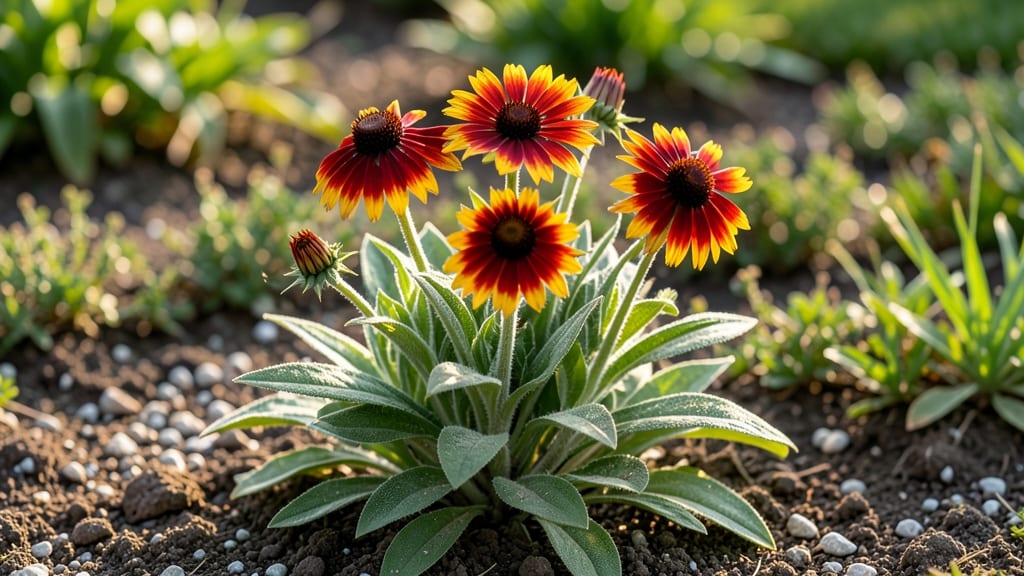
How to care for gaillardia is easier than you think—these drought-resistant, easygoing bloomers thrive where others wilt. 🌻 I’ve grown these fiery bloomers for years, and they’ve never once complained about heat or neglect. Their secret? They love sun, hate soggy feet, and keep flowering from summer straight through fall.
The soil doesn’t need to be fancy—just well-draining and average. Most gardeners overthink it, but gaillardia’s real superpower is surviving on one inch of water per week, even in dry spells. That’s why they’re perfect for borders, wildflower gardens, or even containers on patios.
You’ll get bold red-and-yellow blooms that last weeks, plus deer and pollinators adoring them. Deadhead spent flowers to encourage more blooms, and watch them rebound like nothing happened—even after a heatwave.
Works in zones 3-10, from deserts to cool mountain gardens. Here’s how to keep them happy all season.
📚 In This Guide
- What you need
- Instructions
- Tips and common mistakes
- Wrapping up and next steps
What you need
- ● Well-draining soil: 100% of your planting area (mix equal parts garden soil, sand, and compost for optimal drainage).
- ● Gaillardia seeds or plants: Choose disease-resistant varieties like ‘Arizona Sun’ or ‘Mesa Red’ for vibrant blooms.
- ● Sunlight access: A full-sun spot (6+ hours of direct sunlight daily).
- ● Watering can or hose: With a gentle spray nozzle to avoid disturbing soil.
- ● Organic mulch: 2–3 inches of straw, pine needles, or shredded bark to retain moisture.
- ● Pruning shears: Sharp, sterilized shears for deadheading or shaping.
- ● Fertilizer: Balanced, slow-release granular fertilizer (5-10-5 ratio) applied once in spring.
- ● Pest control: Neem oil or insecticidal soap for aphids or spider mites.
- ● Garden gloves: To protect hands while handling soil or plants.
- ● Stakes or cages: For taller varieties (like ‘Arizona Sun’) to prevent flopping.
- ● Drip irrigation system: For automated, low-water care in dry climates.
Step-by-step instructions for cultivating thriving gaillardia
Gaillardia thrives with minimal fuss—here’s how to coax vibrant blooms from spring through fall.
🌱 Step 1: Select the Perfect Planting Spot
Gaillardia adores full sun—choose a location with at least 6-8 hours of direct sunlight daily. Even in hot climates, these drought-resistant beauties won’t wilt. The soil should drain freely; if your yard is heavy clay, amend with 2-3 inches of coarse sand or grit per square foot to prevent root rot.
I always dig a hole twice as wide as the root ball but only as deep as the container’s base. This encourages roots to spread horizontally rather than settling too deep. A slight mound of soil in the center keeps roots from sitting in water after rain.
☀️ Step 2: Water Deeply but Infrequently
Gaillardia despises soggy roots—water deeply once a week during the first growing season, then taper to every 10-14 days once established. Stick your finger 2 inches into the soil; if it’s dry, water until moisture reaches 4-6 inches deep. Overwatering causes yellow leaves and stunted blooms.
Here’s the trick: water in the early morning to reduce evaporation and fungal risks. Mulch with 2-3 inches of straw or shredded bark around the base (but keep it 3 inches away from stems) to retain moisture and deter weeds. This layer also protects roots from extreme temperature swings.
✂️ Step 3: Prune for Continuous Blooms
Deadhead spent blooms by snipping stems ½ inch above the next set of leaves—this redirects energy to fresh flowers. I do this every 2-3 weeks during peak bloom (late spring through fall). Gaillardia self-seeds prolifically, so thin seedlings in early spring to avoid overcrowding; keep plants 12-18 inches apart for optimal airflow.
In late fall, cut back stems to 4-6 inches tall to tidy the plant, but leave the foliage if you’re in a mild climate. The leaves protect the crown from freezing and may sprout new growth in spring. In colder zones, mulch heavily with 4-6 inches of straw to insulate roots through winter.
🌿 Step 4: Fertilize Lightly for Vibrant Color
Gaillardia is a lightweight feeder—over-fertilizing leads to lush foliage but fewer blooms. Apply a balanced, slow-release fertilizer (10-10-10) at planting, then once more in early summer. Use ½ the recommended dose to avoid burning roots. I swear by a handful of compost worked into the soil annually for natural nutrients.
Watch for nitrogen-heavy signs: dark green leaves with sparse flowers mean you’ve overfed. Gaillardia’s signature red-and-yellow blooms thrive on low fertility. If leaves yellow between veins, it’s time to check for iron deficiency—a foliar spray of chelated iron (applied in the morning) fixes this quickly.
🪴 Step 5: Divide and Propagate Every 3-4 Years
Gaillardia forms dense clumps over time. In early spring, dig up the plant and separate crowns with a sterilized knife, ensuring each section has 3-4 healthy stems. Replant divisions immediately in fresh soil. This rejuvenates blooms and prevents the center from becoming bare.
For propagation, save seeds from the largest, healthiest blooms—they’ll produce plants true to the parent. Scatter seeds directly in the garden after the last frost; they germinate best in warm soil (70-80°F). Keep seedlings moist until they’re 2-3 inches tall, then thin to 12 inches apart.
Tips & tricks for perfect gaillardia cultivation
Between us, gaillardia’s secret to success lies in its ability to thrive with minimal intervention—once you know the right moves. Here’s what nobody tells you about keeping these drought-resistant beauties looking their best.
Sunlight Strategy: While gaillardia loves its 6-8 hours of daily sunlight, not all sun is created equal. Morning sun is gentler, while afternoon sun in hot climates can scorch delicate blooms. If you notice leaves curling or browning at the edges, provide afternoon shade during peak summer heat—this won’t affect the plant’s hardiness but will preserve that vibrant color. The key is observing how your specific microclimate affects the plants; what works in Arizona’s intense sun may need adjustment in coastal areas with milder afternoons.
Watering Wisdom: The "water deeply once a week" rule is a great starting point, but soil type makes all the difference. Sandy soils drain so quickly that you might need to water every 5-6 days, while clay soils can trap moisture for weeks. To test: after watering, stick your finger 2 inches deep—if it’s still damp after 48 hours, hold off. Overwatering is the #1 reason gaillardia develops yellow leaves and fails to bloom. I’ve seen gardeners drown these plants thinking they needed more water, only to watch their blooms disappear.
Pruning Precision: When deadheading those spent blooms, precision matters more than you’d think. Snip just above the next set of leaves—not at the base of the stem. This encourages new growth from the correct node while preventing unsightly stubs. For the late fall cutback, I’ve found that leaving 4-6 inches of stem (rather than cutting all the way down) gives the plant a head start in spring. The remaining foliage acts as natural insulation against winter cold snaps, which is particularly helpful in zones with unpredictable temperature swings.
Fertility Fine-Tuning: That "half-dose" fertilizer recommendation is critical, but here’s the trick: gaillardia’s vibrant colors actually intensify when you under-fertilize slightly. If you notice leaves turning deep green with fewer blooms, you’ve gone too heavy on nitrogen. Instead, focus on phosphorus and potassium—these support root development and bloom production. A handful of compost in early spring provides just the right balance without risking overfeeding. And if you must use a granular fertilizer, choose one with a higher middle number (like 5-10-5) to prioritize blooms over foliage.
Pro Tips for Care For Gaillardia
- Between us, gaillardia’s secret to success lies in its ability to thrive with minimal intervention—once you know the right moves.
- Sunlight Strategy: While gaillardia loves its 6-8 hours of daily sunlight, not all sun is created equal.
- Watering Wisdom: The "water deeply once a week" rule is a great starting point, but soil type makes all the difference.
Frequently asked questions
How often should I water gaillardia?
Gaillardia is famously drought-tolerant! Water deeply once a week during the first growing season to help roots establish, then reduce to every 2–3 weeks once established. Overwatering is the real enemy—let the soil dry out between waterings. Mulch lightly to retain moisture without soggy roots.
When is the best time to plant gaillardia?
Plant gaillardia in early spring or fall for optimal results. This gives roots time to establish before summer heat or winter cold. If planting in summer, provide extra shade and consistent moisture until it adapts. Container-grown plants can go in anytime, but avoid extreme heat or frost.
What pests or diseases should I watch for?
Gaillardia is generally pest-resistant, but keep an eye out for aphids, spider mites, or slugs—especially in humid climates. Treat aphids with a strong spray of water; use neem oil for mites. Fungal issues like powdery mildew can occur in crowded, damp conditions. Space plants well and avoid overhead watering to prevent problems.
Can gaillardia grow in containers? What’s the best pot size?
Gaillardia thrives in containers with well-draining soil and a pot at least 12–14 inches wide for one plant. Use a mix of potting soil and perlite or sand. Ensure the pot has drainage holes, and water when the top inch of soil feels dry. Dwarf varieties (like 'Arizona Sun') work well in smaller pots.
Why aren’t my gaillardia flowers lasting long?
Deadheading (snipping spent blooms) extends the flowering season! Cut back faded flowers to the next set of leaves to encourage new blooms. Over-fertilizing or heavy soil can also shorten bloom time. Gaillardia naturally slows production in extreme heat—provide afternoon shade if needed to keep flowers vibrant.
Wrapping up and next steps
Caring for gaillardia is a rewarding experience—these vibrant, drought-resistant blooms thrive with just a little attention and the right conditions.
Whether you’re a seasoned gardener or a beginner, their easygoing nature makes them a perfect addition to any outdoor space. Now that you know the basics, why not brighten up your garden this season?
Ready to dive in? Start by choosing your favorite variety—whether it’s the classic Gaillardia pulchella or the striking Gaillardia aristata—and plant them in well-draining soil. Then, sit back and enjoy the colorful show they’ll bring to your yard with minimal effort! 🌸