
Picking
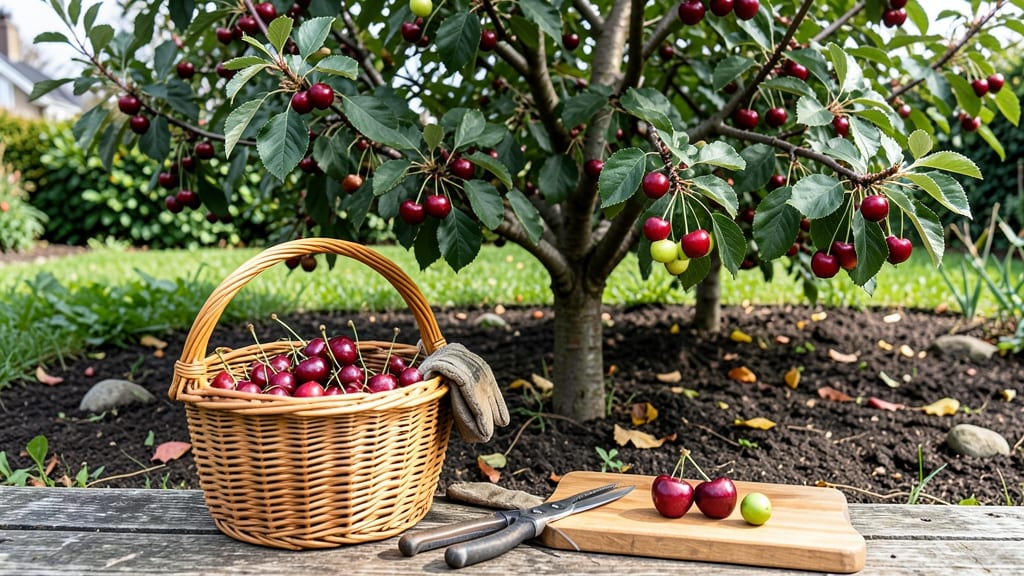
The first cherry that pops free from its stem how to pick sweet cherries changes everything. 🌱 That moment means your cherries are finally ready—no more waiting, no more guessing.
I’ve learned the hard way that picking too early means mealy, bland fruit, while waiting too long turns them into a sticky mess on your fingers. Start with color: ripe cherries develop a deep, rich hue—dark red for Bing, golden for Rainier, or almost black for Montmorency.
But color alone isn’t enough. Gently squeeze—ripe cherries yield slightly, like a firm grape, while unripe ones feel rock-hard. The stem should pull away cleanly; if it snaps or leaves a white ring, it’s not ready yet. The real test is taste.
Pop one into your mouth—juicy cherries burst with sweetness and just a hint of tartness. If they’re bland or mealy, they need more time on the tree. Overripe cherries? They’ll be soft, leak juice when squeezed, and taste almost fermented.
That’s your cue to harvest what’s ready and enjoy them fast. Timing matters too: mornings are best when fruit is cool and firm. And here’s the pro move—pick in stages. Harvest clusters first, then return every 2-3 days.
That way, you get the sweetest, juiciest cherries all season long, with none going to waste.
📚 In This Guide
- What you need
- Instructions
- Tips and common mistakes
- Wrapping up and next steps
What you need
- ○ Cherry picking container: A sturdy, breathable bucket (1–2 gallons) or mesh bag to keep cherries from bruising. (Optional but handy: a small cooler with ice packs for long picking sessions!)
- ● Gloves: Lightweight, breathable garden gloves to protect your hands from thorns and stains.
- ● Pruning shears or cherry pickers: Hand pruners (for low branches): Sharp, ergonomic shears (e.g., Felco or Fiskars) with a 6–8" blade.
- ● Cherry picker (for tall trees): A lightweight ladder (6–8 ft) or a step stool with a non-slip surface. (Safety first—always have a spotter!)
- ● Water spray bottle: A 16–32 oz bottle to mist cherries if they’re too dry or dusty.
- ● Small knife or paring tool: For trimming stems if needed (a Swiss Army Knife works great!).
- ● Sunscreen & hat: SPF 30+ and a wide-brimmed hat—cherry orchards are bright!
- ● Know your cherry type: Sweet cherries (like Bing, Rainier, or Stella) ripen late June–early August in most U.S. regions. Check local orchard calendars!
- ● Best time to pick: Early morning (before heat sets in) for the sweetest, firmest cherries.
- ● Orchard access: Some farms require a small fee or advance booking—call ahead!
- ○ Optional extras: Portable phone charger (for pics and orchard apps like PickYourOwn.org).
- ● Picnic blanket or folding chair for a post-picking snack break!
Step-by-step instructions for picking sweet cherries at peak ripeness
Here’s how I pick cherries so they’re bursting with flavor—no guesswork, just perfect timing.
🌿 Step 1: Check for Color and Size
Look for cherries that match the variety’s mature color—deep red, purple, or yellow, depending on the type. A ripe cherry will feel firm but yield slightly when gently squeezed. Avoid any that are pale or dull; those won’t be sweet. I always pick a few samples first to taste—they should be juicy and sweet, not tart or mealy.
Size matters too. Cherries should be fully plump, not shriveled or still growing. If they’re smaller than the others, they’re not ready. Run your thumb over the stem—it should pull away cleanly, not leave a stubborn attachment. This tells me the cherry’s fully matured and ready for harvest.
🍒 Step 2: Test for Sweetness and Ripeness
The best way to know if cherries are ripe is to taste one. Pop a cherry into your mouth—if it’s sweet with just a hint of tartness, it’s perfect. If it’s sour or bland, wait another day. I like to pick cherries in the morning when they’re cool and their natural sugars are most concentrated.
Watch for the stem’s attachment point. A ripe cherry’s stem should twist off easily with a slight tug, leaving a tiny bump where it was attached. If the stem snaps off cleanly, the cherry’s ready. If it resists, it’s not fully ripe yet. This is the trick I’ve used for years—never pick by color alone.
⏰ Step 3: Harvest at the Right Time of Day
Cherries ripen fastest in the morning sun, so I always pick them between 8 AM and 10 AM when temperatures are cooler. This prevents them from overheating and turning mealy. Avoid picking in the heat of the day—they’ll ripen unevenly and lose flavor fast.
Use a pair of clean pruning shears or your fingers to twist the cherries gently from the branch. Never pull them off—this can damage the tree and leave the fruit bruised. Fill a shallow container or basket with the cherries, but don’t overpack them. Crowding speeds up spoilage, and you want them to stay fresh until you’re ready to enjoy them.
💧 Step 4: Store Properly for Maximum Juiciness
Once picked, cherries need cool, dry storage to stay juicy. Place them in a single layer on a paper towel in the fridge—this prevents moisture buildup, which causes mold. I avoid washing them until right before eating; excess water makes them soggy and dulls their flavor.
Eat them within 3-5 days for the best taste. If you won’t use them that fast, freeze them whole on a tray first, then transfer to a bag. Frozen cherries keep their sweetness and make great smoothies or desserts later. The key is speed—cherries lose flavor fast once picked, so get them into storage ASAP.
Tips & tricks for perfect cherry picking
I've spent years learning the subtle signs that mean a cherry is truly ripe and ready—here's what nobody tells you about picking the sweetest ones.
The Stem Test is Everything: That little bump where the stem attaches is your secret weapon. A ripe cherry's stem should twist off cleanly with just a gentle tug, leaving that tiny bump behind. If it resists or snaps off with a clean break, the cherry isn't ready yet. I've learned this the hard way—once I picked a whole basket of cherries that tasted bland because I ignored this simple test. The bump tells you the cherry's sugars have fully developed.
Morning Magic for Maximum Sweetness: The 8 AM to 10 AM window is non-negotiable for peak flavor. That's when cherries are coolest and their natural sugars are most concentrated. I've noticed that picking later in the day often means cherries that are sweeter on the outside but mealy inside—like eating candy that crumbles apart. The cooler morning temperatures preserve that juicy texture we all want.
Storage Hack to Preserve Juiciness: When you get your cherries home, don't wash them yet! Excess moisture makes them soggy and dulls their flavor. Instead, place them in a single layer on paper towels in the fridge. This simple trick prevents moisture buildup that causes mold and keeps them juicy for those crucial 3-5 days. I've tried every storage method, and this one wins every time for maintaining that fresh-picked taste.
Pro Tips for Pick Sweet Cherries
- I've spent years learning the subtle signs that mean a cherry is truly ripe and ready—here's what nobody tells you about picking the sweetest ones.
- The Stem Test is Everything: That little bump where the stem attaches is your secret weapon.
- Morning Magic for Maximum Sweetness: The 8 AM to 10 AM window is non-negotiable for peak flavor.
Frequently asked questions
How do I know when cherries are truly ripe?
Look for deep, rich color—dark red or nearly black, depending on the variety—and a slight give when gently squeezed. Avoid cherries with green stems or white patches, as they’re underripe. A sweet, fragrant aroma near the stem is another sign of ripeness!
Can I pick cherries too early and let them ripen later?
No—cherries won’t ripen further once picked. They’re a climacteric fruit, meaning they stop maturing after harvest. Always pick them when fully ripe for the best flavor and texture. If you’re unsure, wait a day or two before harvesting.
What if I can’t find sweet cherries at the store? Are there alternatives?
Try sour cherries (like Montmorency) for cooking or baking, or opt for frozen cherries (pitted or whole) for smoothies and desserts. Blackberries, raspberries, or even peaches can also add sweetness to dishes if cherries aren’t available!
Why do some cherries taste bitter or sour?
Bitterness often means the cherries were picked too early or stored improperly (like in the fridge). Overripe cherries may also taste fermented or mushy. Always check for firmness, color, and aroma before buying. If stored properly, sweet cherries should stay fresh for 3–5 days at room temperature.
Can I grow my own sweet cherries at home?
Yes! Plant self-pollinating varieties like ‘Stella’ or ‘Sweetheart’ in well-drained soil with full sun. Cherries need cross-pollination for fruit, so plant two compatible trees. Be patient—it takes 3–5 years for trees to bear fruit!
Wrapping up and next steps
Picking the perfect sweet cherry is all about patience, observation, and a little know-how—but once you master it, you’ll never settle for anything less than bursting flavor! 🍒
Now that you’re armed with the secrets, grab a basket and head out—your taste buds (and your snack stash) will thank you! 🌟 Happy picking!