
Planting
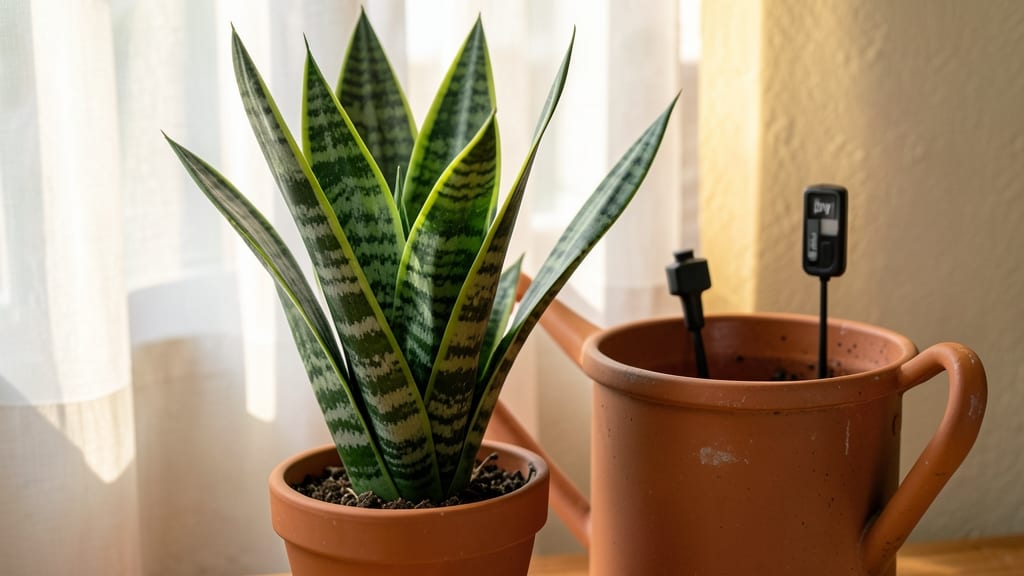
How to keep this plant alive—it’s simpler than you think, and your drooping leaves aren’t a death sentence, just a cry for help. 💚 I’ve nursed back more "dead" plants than I’d like to admit, and the fix always starts with three simple checks: water, light, and air. Most plants don’t die from neglect; they die from wrong care. Let’s turn that around.
The secret isn’t complicated: water only when the top inch of soil is dry, place plants where they’ll get 4-6 hours of sunlight (not direct scorching), and make sure air can circulate—stuffy corners are death traps.
Overwatering kills more plants than underwatering, and most people get this backward. A moisture meter or your finger works just fine.
By the end of this, your greens will look perkier than ever—no guesswork, no wilting. We’ll tackle yellow leaves, brown edges, and that dreaded "leggy" stretch. The key? Act fast when you spot trouble. A little prevention saves a lot of heartache (and plant funerals).
Works for ferns, succulents, or your sad office plant—no green thumb required. Let’s get those leaves standing tall again.
📚 In This Guide
- What you need
- Instructions
- Tips and common mistakes
- Wrapping up and next steps
What you need
- ● Pot: 1-2 sizes larger than the plant’s root ball (ensure drainage holes!)
- ● Well-draining soil: 1 bag (check plant type for specific blends, e.g., cactus mix vs. potting mix)
- ● Watering can: 1 (with a narrow spout for precision)
- ● Light source: Natural sunlight or a grow light (LED or fluorescent, 10W-20W for small plants)
- ○ Humidity tray (optional but helpful): 1 (for tropical plants like ferns or calatheas)
- ● Fertilizer: 1 balanced liquid fertilizer (5-5-5 or 10-10-10 NPK ratio)
- ● Pruning shears: 1 (sterilized with rubbing alcohol)
- ○ pH test kit: 1 (optional, for picky plants like blueberries or azaleas)
- ● Misting bottle: 1 (for humidity-loving plants)
- ● Support stakes: 1-2 (for tall or top-heavy plants like tomatoes or peace lilies)
- ● Plant labels: 1 pack (to track watering schedules and care notes!)
Instructions for a science-backed plant care routine
Here's the foolproof system I use to keep my plants thriving—no guesswork, just proven steps.
🌱 Step 1: Master the Watering Cycle
Water only when the top 1-2 inches of soil feel dry. Stick your finger in—if it's damp, wait. Overwatering kills more plants than underwatering, so I always check before adding moisture. Most houseplants need water every 7-10 days, but this depends on your home's humidity and light levels.
Use room-temperature water to avoid shocking roots. Pour slowly at the base until water runs out the drainage hole. Empty the saucer after 10 minutes—sitting water causes root rot. I set a reminder on my phone for watering days to stay consistent.
☀️ Step 2: Position for Proper Light Exposure
Observe your plant's natural light needs—most greens thrive in bright, indirect light. South-facing windows are ideal, but east or west works too. If leaves turn yellow or stretch toward the light, it's getting too little. Move it closer to the window or use a grow light for 12-14 hours daily.
Rotate the pot a quarter turn weekly so growth stays even. You'll notice leaves leaning toward the light if it's not balanced. Avoid direct midday sun—it scorches leaves, especially for tropical varieties. A sheer curtain helps diffuse harsh rays.
💧 Step 3: Dust Leaves and Monitor Humidity
Wipe leaves with a damp microfiber cloth every 2-4 weeks—dust blocks light absorption. I do this while watering to make it part of my routine. For plants that love humidity (like ferns or calatheas), mist leaves lightly or place the pot on a tray of pebbles with water. Keep the pot elevated so roots don't sit in water.
If leaves brown at the tips, your air is too dry. A small humidifier nearby solves this instantly. Grouping plants together also raises humidity naturally. Avoid cold drafts from windows or vents—temperature swings stress plants more than anything else.
✂️ Step 4: Prune and Encourage Healthy Growth
Trim yellow or dead leaves immediately with clean scissors. Pinch back leggy growth to encourage bushier plants. I always cut just above a leaf node where new growth can sprout. This prevents energy waste and keeps the plant compact. For flowering plants, deadhead spent blooms to redirect energy to new growth.
Repot every 1-2 years when roots circle the pot. Choose a container only 1-2 inches larger than the current one—bigger pots hold too much moisture. Gently loosen roots before repotting to avoid stress. Fresh potting mix gives nutrients a boost without overwhelming the plant.
🪴 Step 5: Rotate Care Seasonally
In winter, reduce watering—plants grow slower with less light. Move them away from cold windows. I check soil moisture more carefully because heating systems dry air faster. Fertilize lightly every 6-8 weeks during growing season (spring-fall), but skip it in winter when growth slows.
Watch for pests like spider mites or aphids—wipe leaves with soapy water at the first sign. Neem oil spray works well as a preventive treatment. Keep a plant journal to track progress and spot issues early. You'll notice patterns like "this plant wilts when I travel" or "it blooms after the first frost."
Tips & tricks for plant care that actually works
Confession: I killed my first three houseplants before learning these simple but game-changing tricks. The difference between a thriving green and a sad, browned-out leaf often comes down to these small details.
Soil Check Technique: In Step 1, when testing soil moisture, stick your finger in about 2 inches deep—this is where the real story happens. The top layer can be dry while moisture lingers below. I use a chopstick for plants in hard-to-reach pots. Also, morning is the best time to check—soil is more consistent then, not after evening watering sessions.
Light Rotation Hack: That weekly quarter-turn in Step 2 isn't just about even growth—it's also your early warning system. If one side consistently grows faster, your light source isn't balanced. Move the plant closer to the window or add a small LED grow light for 2-3 hours daily if needed. I notice the slowest-growing side usually faces away from the light source.
Humidity Boost Without the Hassle: For Step 3's humidity needs, try this trick: Place your plant on a bed of pebbles with just enough water to touch the bottom (not submerge the pot). The evaporation creates natural humidity. Grouping plants together also works—just make sure they all have similar light needs. This method keeps my ferns lush without needing a humidifier.
Pruning Pro Tip: When trimming in Step 4, save those cuttings! Place them in water with just the bottom node submerged—they often root in 2-3 weeks. I've propagated snake plants and pothos this way. Just be patient—some plants like succulents take longer to root than tropical varieties.
Pro Tips for Keep Plant Alive
- Confession: I killed my first three houseplants before learning these simple but game-changing tricks. The difference...
- Soil Check Technique: In Step 1, when testing soil moisture, stick your finger in about 2 inches deep—this is where t...
- Light Rotation Hack: That weekly quarter-turn in Step 2 isn't just about even growth—it's also your early warning sys...
Frequently asked questions
Got questions about keeping your plants alive and thriving? You’re not alone—even experienced gardeners hit snags! Here are answers to the most common concerns, from watering woes to sunlight struggles, so you can troubleshoot like a pro.
How often should I water my plant?
Most plants need water when the top 1-2 inches of soil feel dry. Overwatering is riskier than underwatering—stick your finger in the soil to check! Succulents and cacti need water every 2-3 weeks, while tropical plants may need weekly watering. Adjust based on humidity, pot size, and season.
Why are my plant’s leaves turning yellow?
Yellow leaves usually signal overwatering (root rot) or underwatering. Check the soil moisture first—if soggy, let it dry out. If dry, water thoroughly. Other causes? Too much sunlight (brown edges) or nutrient deficiency (pale yellow). Move your plant to indirect light and fertilize lightly if needed.
Can I keep a plant alive with just natural light?
Yes! Most houseplants thrive with bright, indirect light near a window (east or north-facing is ideal). Avoid harsh direct sun (like south-facing windows), which can scorch leaves. If your space is dim, opt for low-light plants like ZZ plants or snake plants—just supplement with a grow light if growth stalls.
What’s the best temperature for indoor plants?
Keep most plants in a cozy 65–75°F (18–24°C) range during the day and avoid drops below 50°F (10°C) at night. Drafts from AC vents, heaters, or open windows can stress plants. Tropical plants (like ferns) love humidity—try a pebble tray or humidifier if the air feels dry.
How do I revive a dying plant?
Act fast! First, check for root rot—gently remove the plant from its pot. If roots smell foul or are mushy, trim the bad ones and repot in fresh, dry soil. Adjust watering habits and move to better light. For crispy leaves, mist them or increase humidity. Patience is key—some plants bounce back in weeks!
Wrapping up and next steps
Keeping your plants alive is all about understanding their needs—light, water, soil, and love! 🌱 With the right routine, you’ll see them thrive in no time. Start small, observe their progress, and adjust as needed.
Ready to take the next step? Pick one plant, follow this guide, and watch it flourish! Share your green success story with fellow plant parents—you’ve got this! 🌿