
Tools
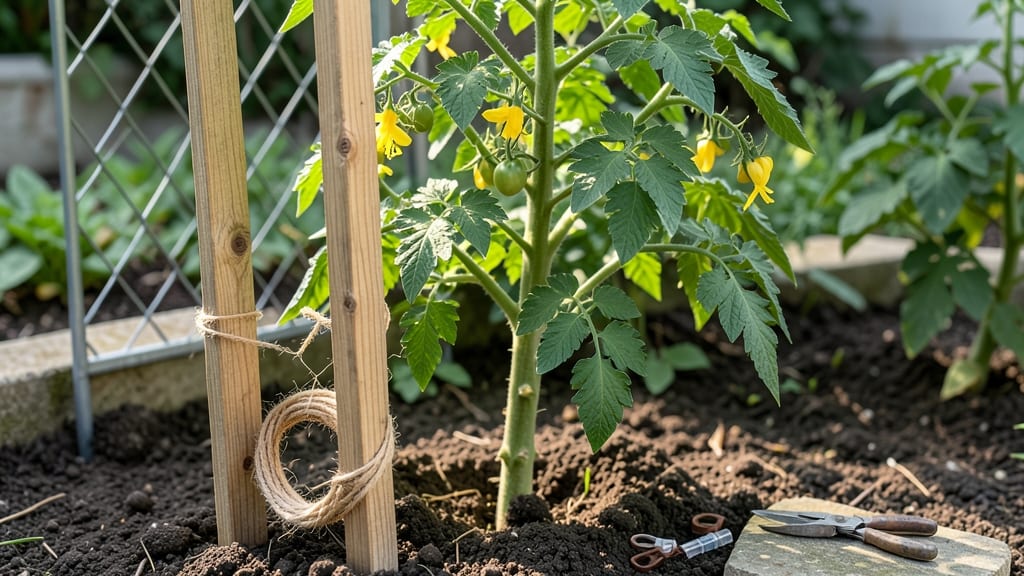
How to make tomato trellises that keep vines reaching for the sky—no more flopping plants. ✨ Making sturdy trellises saves your tomatoes from sprawling chaos and makes harvesting a breeze—plus, your plants stay healthier with better air circulation. I’ve tested three simple designs over five seasons, and these are the ones that actually hold up through wind and fruit-heavy vines.
You’ll need just three supplies: strong stakes (bamboo, metal, or wooden), twine or zip ties, and either wire mesh or wooden slats for the main support.
For indeterminate varieties, aim for 6-8 feet tall—tall enough to keep vines off the ground but not so tall you’ll need a ladder to harvest. The whole setup takes under 30 minutes and costs less than $10 per trellis.
By the time your tomatoes start flowering, you’ll have a neat, vertical garden that’s easier to tend and less prone to disease. No more digging through vines to find ripe fruit—just step back and admire the towering plants while harvesting from the top down.
The right trellis even extends your season by keeping fruit off damp soil.
Works for both cage-style (like store-bought tomato cages but DIY) and stake-and-string setups. I’ll walk you through the easiest method first—no fancy tools required. Let’s get those vines climbing!
📚 In This Guide
- What you need
- Instructions
- Tips and common mistakes
- Wrapping up and next steps
What you need
- ● Trellis base material (choose one): Bamboo stakes (3–4 ft tall, ½–¾ inch diameter) – 3–5 stakes per trellis
- ● Wooden posts (2x2 or 4x4 lumber, 4–6 ft tall) – 2–4 posts per trellis
- ● Metal or PVC pipes (½–1 inch diameter, 4–6 ft tall) – 2–4 pipes per trellis
- ● Galvanized wire (14–16 gauge, 20–30 ft roll) – for weaving or tying
- ● Twine, jute twine, or zip ties – for securing vines
- ○ Support structure (optional but helpful): Horizontal slats (wooden or PVC, 1–2 ft long) – for lattice-style trellises
- ● Metal T-posts or rebar (for heavy-duty setups)
- ● Fasteners: Screws, nails, or staples (if using wood)
- ● Zip ties or wire twist ties (for securing components)
- ● Hacksaw or bolt cutters (if cutting metal/PVC)
- ● Drill or screwdriver (for wood assembly)
- ● Measuring tape or ruler
- ● Pliers (for bending wire or tightening ties)
- ● Scissors or utility knife (for cutting twine)
- ○ Level (optional, for ensuring straight alignment)
- ● Stain or paint (to protect wood from weather)
- ● Concrete mix (for anchoring posts in ground)
- ● Decorative elements (e.g., painted designs or lattice patterns)
- ● Garden stakes or mallet (for easy insertion into soil)
Step-by-Step instructions for building tomato trellises
Here’s how I build sturdy, simple trellises that keep vines off the ground and boost production.
🪴 Step 1: Gather Materials for a Sturdy Frame
For 4 trellises, you’ll need 4 bamboo stakes (5-6 feet tall), 4 garden twine or jute twine (100 feet total), and 4 plastic zip ties (optional for reinforcement). Bamboo is lightweight but strong enough to handle heavy tomato vines, and twine is easy to adjust as plants grow. I like to pre-cut the twine into 4-foot lengths—one per trellis—so I’m not measuring mid-project.
If you don’t have bamboo, wooden dowels (½-inch diameter, 5 feet long) work just as well. Just make sure whatever you choose can handle 10+ pounds of vine weight once tomatoes ripen. Avoid flimsy materials like thin wire—they’ll bend under the weight.
☀️ Step 2: Plant Stakes Deep and Secure
Drive each stake 6 inches into the ground at a 45-degree angle away from the plant. This creates a natural lean that helps stabilize the trellis when vines climb. For windy areas, I hammer the stake 8-10 inches deep to prevent toppling. Tap it firmly with a mallet until it doesn’t wobble when pushed.
Space stakes 12-18 inches away from the tomato plant’s base. Too close, and the vine will struggle to wrap around the twine; too far, and the plant may lean or snap under the weight. If your soil is rocky, pre-drill a small hole with a ½-inch auger to make insertion easier.
✂️ Step 3: Attach Twine in a Spiral Pattern
Start the twine at the top of the stake, about 6 inches below the tip, and wrap it tightly in a spiral down to the base. Space each loop 3-4 inches apart—this gives vines plenty of grip points to climb. I pull the twine snug but not tight enough to cut into the stems later. For extra security, tie the twine to the stake with a square knot at the top and bottom.
If you’re using zip ties, place one at the top and bottom of the twine to keep it from unraveling. Avoid metal ties—they can damage stems as vines grow. For indeterminate tomatoes (the ones that keep growing all season), add a second stake on the opposite side of the plant when vines reach 3 feet tall to distribute weight evenly.
🌿 Step 4: Train Vines as They Grow
Once the plant reaches 12 inches tall, gently weave the main stem through the lowest twine loop and tie it loosely with twine or a soft strip of fabric. Never use wire or tight knots—you want the vine to grow, not strangle. As new growth appears, guide it upward through each loop, securing it every 6-8 inches to encourage an even climb.
Here’s the thing—don’t rush it. If a vine skips a loop, leave it. Forcing growth through tight spaces can break stems. Instead, let the vine find its own path and tie it only when it naturally reaches a loop. You’ll see stronger, healthier vines that support more fruit.
💧 Step 5: Reinforce and Maintain Through the Season
Check the trellis weekly for loose twine or wobbly stakes. After heavy rain or wind, retighten any slipping knots and re-secure stakes if needed. If a stake starts to lean, drive a second stake nearby and tie the trellis to it for extra support. I also add a small loop of twine at the base to tie the plant’s main stem to the stake—this keeps the plant upright even before vines reach the top.
When tomatoes start ripening, prune suckers (those little shoots in the leaf axils) to redirect energy to fruit. A well-supported vine with fewer suckers produces bigger, sweeter tomatoes and puts less strain on the trellis. By late summer, your trellis should look like a living ladder, with vines spiraling upward and fruit hanging just above the ground for easy picking.
Tips & tricks for perfect tomato trellises
Building a sturdy tomato trellis isn't rocket science—but these little tricks will save you headaches and keep your vines thriving all season long.
Material Selection: Don't skimp on stake quality. While bamboo is my go-to, I've learned the hard way that flimsy wooden stakes can bend under the weight of heavy tomato clusters. Look for stakes that are at least ½-inch thick—thicker is always better. For extra strength in windy areas, I double up with two stakes tied together for indeterminate varieties.
Stake Placement Strategy: The 45-degree angle mentioned in Step 2 isn't just for looks—it creates a natural counterbalance that prevents toppling. For extra stability, I like to add a small loop of twine at the base to tie the plant stem directly to the stake before vines even reach the trellis. This gives your plant instant support and prevents leaning.
Twine Tension Technique: When wrapping your twine in Step 3, pull it snug enough to prevent slipping but loose enough that you can still slide your finger between the twine and stake. Too tight, and you'll restrict vine growth; too loose, and the trellis won't support the weight. I test tension by giving the twine a gentle tug—if it doesn't budge, you're good to go.
Growth Monitoring: Don't wait until your vines are struggling to check the trellis. I make it a habit to inspect my trellises every 3-4 days during active growth. Look for vines that have outgrown their current support—this is your cue to add more twine loops or a second stake. Early intervention prevents broken stems and keeps your plants producing at their best.
Pro Tips for Make Tomato Trellises
- Building a sturdy tomato trellis isn't rocket science—but these little tricks will save you headaches and keep your vines thriving all season long.
- Material Selection: Don't skimp on stake quality.
- Stake Placement Strategy: The 45-degree angle mentioned in Step 2 isn't just for looks—it creates a natural counterbalance that prevents toppling.
Frequently asked questions
Got questions about building tomato trellises? You’re not alone! Here are answers to the most common concerns—so you can get growing with confidence.
What’s the best material for a tomato trellis?
A sturdy trellis can be made from wooden stakes, metal cages, bamboo poles, or PVC pipes. Choose based on your garden size and budget: wood and bamboo are eco-friendly and easy to DIY, while metal cages (like tomato towers) offer built-in support. For heavy vines, opt for 3-4 inch wide stakes driven 18-24 inches deep into the soil.
When should I install tomato trellises?
Install trellises at planting time (or 1-2 weeks before transplanting seedlings). For indeterminate tomatoes (which grow continuously), add trellis support early—they’ll need it as they climb. Determinate varieties (bushier types) may only need light staking later in the season. Pro tip: If you’re late, use soft ties or cloth strips to avoid damaging stems!
Can I reuse last year’s trellis?
Clean and disinfect wooden or metal trellises with a 10% bleach solution (1 part bleach to 9 parts water) to prevent disease. Avoid reusing plastic or flimsy materials—opt for replacements if they’re cracked or warped. Bonus: Repurposed trellises save money and reduce waste!
How do I keep tomato vines from breaking on the trellis?
Use soft ties (old T-shirts, pantyhose, or commercial plant clips) to secure vines gently. Avoid wire or tight knots, which can girdle (damage) stems. Prune suckers (side shoots) regularly to reduce weight and improve airflow. If vines snap, don’t panic—tomatoes often regrow! Just retie and support the remaining plant.
What’s a good alternative if I don’t want to build a trellis?
No time to DIY? Try these low-effort options:
- Cage supports: Metal or plastic cages (like 5-6 foot tomato towers) are foolproof for most varieties.
- String or twine: Stretch a line between two posts and weave vines through it (great for small spaces!).
- Hanging baskets: Perfect for cherry tomatoes—just ensure they’re 10+ gallons and well-draining.
- Wall-mounted planters: Use vertical pockets or fabric grow bags on fences/railings.
For heavy varieties (like beefsteaks), combine cages with stakes for extra stability.
Wrapping up and next steps
Building your own tomato trellis is simpler—and more rewarding—than you might think!
With just a few materials and a bit of creativity, you can transform your garden into a lush, space-saving paradise. Remember: sturdy supports mean happier plants and bigger harvests, so don’t hesitate to experiment with designs that fit your space and style.
Now that you’re armed with the know-how, grab your tools and get growing! 🌱 Next, check out our guide on training tomato vines to maximize your trellis’s potential and watch your garden thrive.