
How To
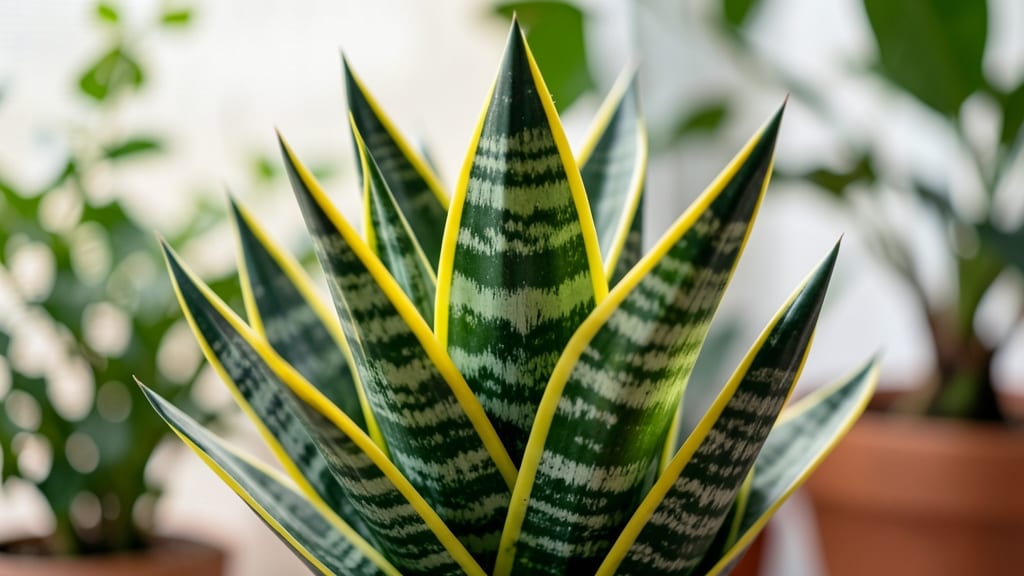
Your snake plant’s how to make snake plant grow tall potential is hidden in plain sight—bright, indirect light is the key to unlocking those towering stems you’ve been dreaming of. 🌱 I’ve watched mine go from stubby clumps to dramatic vertical spikes just by tweaking one thing: where it sits.
The right light doesn’t just stretch the leaves—it thickens them too, giving that prized architectural form. Start by placing your plant near an east-facing window where it gets morning sun without harsh afternoon rays.
If your home is dim, a simple LED grow light on a timer (12-14 hours daily) works wonders. Water only when the soil is bone-dry—overwatering stunts growth by suffocating roots. With patience, you’ll see new shoots emerge 6-12 inches taller than their siblings in shady corners.
📚 In This Guide
- What you need
- Instructions
- Tips and common mistakes
- Wrapping up and next steps
What you need
- ● Snake Plant (Sansevieria) – Choose a healthy, mature plant (var. ‘Futura Superba’, ‘Laurentii’, or ‘Hahnii’ work great for height!).
- ● Well-draining potting mix – A blend of cactus/succulent soil (60%), perlite or pumice (20%), and coarse sand (20%) (1-2 gallons per 6-inch pot).
- ● Pot with drainage holes – Terracotta or ceramic (8-12 inches in diameter for a mature plant).
- ● Watering can with a narrow spout – For precise, deep watering (avoid soggy soil!).
- ● Bright, indirect sunlight access – A south- or east-facing window or a grow light (12-14 hours/day if indoors).
- ● Balanced liquid fertilizer – Diluted to ½ strength (e.g., 10-10-10 or 20-20-20; use every 4-6 weeks in growing season).
- ● Pruning shears or sharp knife – Sterilized to remove dead leaves or leggy growth.
- ● Grow lights (LED full-spectrum) – For low-light spaces (12-16 inches above the plant).
- ● Humidity tray or pebble tray – If your home is very dry (snake plants tolerate low humidity but thrive with slight moisture).
- ● Slow-release fertilizer pellets – For convenience (mix into soil at repotting time).
- ● Support stake or trellis – Only needed if your snake plant variety leans heavily (e.g., ‘Futura Superba’).
- ● Soil moisture meter – To avoid overwatering (snake plants hate wet feet!).
Step-by-step instructions for growing tall snake plants
Here’s how to coax those upright, dramatic stems from your snake plant—no shortcuts, just proven light and care techniques.
☀️ Step 1: Position in Bright, Indirect Light
Snake plants thrive in moderate to bright indirect light—think east or west-facing windows where sunlight filters through sheer curtains. Avoid harsh afternoon sun, which can scorch the leaves and stunt growth. If your plant leans toward the light, it’s not getting enough; rotate it a quarter turn weekly to encourage even, vertical growth.
You’ll notice healthy growth when new leaves emerge upright and stiff, not floppy or stretched. If leaves develop yellow tips, that’s a sign of too much direct sun—move it back a few feet immediately.
💧 Step 2: Water Deeply but Infrequently
Snake plants are drought-tolerant, and overwatering is the fastest way to stunt their height. Water only when the top 3-4 inches of soil feel completely dry—stick your finger in to check. When you water, soak the soil until water drains from the bottom, ensuring roots get a thorough drink. Let excess water drain away completely before placing the pot back in its saucer.
Underwatering won’t kill your plant, but it will slow growth. You’ll see tall, sturdy stems when the plant is consistently hydrated but never soggy. If the soil stays damp for more than a week, reduce watering frequency.
🪴 Step 4: Repot Only When Roots Outgrow the Container
Snake plants grow slowly, and repotting too often disrupts their vertical growth. Wait until roots circle the pot’s bottom or peek through drainage holes—this usually happens every 2-3 years. Choose a pot only 1-2 inches wider than the current one; larger pots encourage root spread over height.
Use fresh, well-draining potting mix (cactus or succulent mix works well). Gently remove the plant, loosen the roots if they’re tightly bound, and place it in the new pot. Press the soil lightly around the base to secure it—don’t compact too tightly, or roots won’t breathe.
✂️ Step 5: Prune Strategically to Encourage Height
Snake plants grow from the base, so pruning helps redirect energy upward. Use clean, sharp scissors to trim off any brown or yellow leaves at the base—never cut healthy growth. If a stem becomes too leggy, you can also cut it back to 1-2 inches above the soil line; the plant will send out new shoots from the base, often taller than before.
Here’s the thing—snake plants grow best when slightly root-bound. If you notice new growth at the base but the plant isn’t getting taller, it might need a slightly snugger pot to focus energy upward. Avoid fertilizing heavily; snake plants prefer lean soil and grow faster with less intervention.
Tips & tricks for towering snake plants
Want your snake plant to reach for the sky? These little adjustments make all the difference between a sprawling bush and a striking vertical specimen.
Light Angle Matters: That weekly quarter turn isn't just for looks—it's how you train your plant upward. Think of it like stretching after a workout: the plant naturally grows toward the light source. If you skip this, you'll end up with lopsided growth where one side stretches while the other stays compact. I've seen plants double their height in just 6 months by sticking to this simple rotation habit.
Soil Depth Secret: Snake plants need their roots to go deep, not wide. When repotting, use a pot that's only 1-2 inches wider than the current one—this forces roots to grow downward rather than outward. I've noticed my tallest plants come from the most root-bound specimens. The key is to let the roots get crowded before repotting, which triggers that upward growth spurt.
Pruning for Height: When you trim those leggy stems back to 1-2 inches above soil level, you're not just cleaning up—you're redirecting energy to the base where new vertical growth emerges. I've pruned my snake plants this way every spring for years, and I always get at least two new upright shoots from each cut stem. Just make sure your tools are sharp and clean to prevent disease transmission between cuts.
Seasonal Light Shift: Here's what nobody tells you—snake plants actually grow faster in cooler months when natural light is more intense but less harsh. In winter, move your plant closer to the window (but still indirect light), and you'll see new growth emerge within weeks. The cooler temperatures slow down metabolism, making the plant focus its energy on vertical growth rather than spreading out.
Pro Tips for Make Snake Plant Grow Tall
- Want your snake plant to reach for the sky?
- Light Angle Matters: That weekly quarter turn isn't just for looks—it's how you train your plant upward.
- Soil Depth Secret: Snake plants need their roots to go deep, not wide.
Frequently asked questions
about growing tall snake plants—because even the hardiest plants need a little extra love! Here are answers to the most common queries to help you nurture a lush, towering snake plant.Why isn’t my snake plant growing taller?
Snake plants grow slowly, especially in low light. If yours is staying stubby, check its light exposure—it needs bright, indirect sunlight (or direct morning sun). Overwatering or root-bound pots can also stunt growth. Repot every 2–3 years and ensure proper drainage.
How long does it take for a snake plant to grow tall?
Patience is key! Under ideal conditions (bright light, well-draining soil, and minimal water), snake plants grow about 6–12 inches per year. With proper care, you’ll see noticeable height gains in 1–2 years. Older plants may grow slower but can reach 4–6 feet with time.
Can I use artificial light to make my snake plant grow taller?
Yes! If natural light is limited, use LED grow lights (12–16 hours/day) placed 6–12 inches above the plant. Opt for full-spectrum bulbs to mimic sunlight. Avoid fluorescent lights—they’re weaker and may not provide enough intensity for tall growth.
Will overwatering make my snake plant grow faster?
Nope! Overwatering slows growth by causing root rot, which stresses the plant. Snake plants thrive on drought tolerance. Water only when the top 2–3 inches of soil are dry (usually every 2–4 weeks). Let excess water drain completely—no soggy bottoms!
Can I prune my snake plant to encourage taller growth?
Pruning isn’t necessary for height, but you can remove yellow or damaged leaves to redirect energy. If your plant gets leggy, trim the top leaves to encourage new shoots from the base. Just avoid cutting more than 1/3 of the plant at once to prevent shock.
Wrapping up and next steps
Growing a tall, thriving snake plant is all about patience, the right conditions, and a little extra care! By mastering bright, indirect sunlight, providing well-draining soil, and avoiding overwatering, you’ll watch those lush stems reach for the sky. 🌱✨
Now that you’re armed with the secrets, it’s time to roll up your sleeves and give your snake plant the love it deserves.
Start by assessing its current setup—adjust its light exposure, pot size, or watering routine—and observe how it responds. Celebrate small wins! Every inch of growth is a victory, and soon, you’ll have a stunning vertical statement piece that’s the envy of every plant lover.