
How To
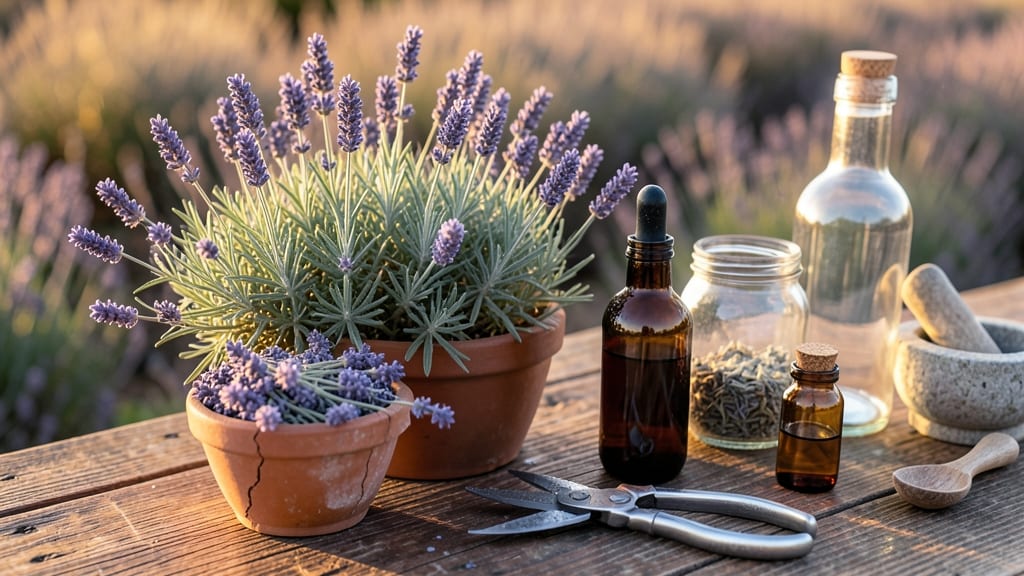
Making lavender tincture turns your garden into a stress-relief powerhouse. 🌿 The process is simpler than you think—just harvest buds, steep them in alcohol, and wait for the magic to happen in just 4-6 weeks.
I’ve made enough batches to know that fresh lavender buds yield the strongest, most fragrant tincture, and the right alcohol ratio makes all the difference. You’ll need dried lavender buds (or fresh ones from your garden), high-proof vodka or everclear, and a clean glass jar.
No fancy equipment—just patience and a dark, cool spot for storage. The alcohol extracts the lavender’s calming compounds, creating a liquid you can use for relaxation, minor skin irritations, or even homemade beauty products. By the end, you’ll have a potent, versatile remedy that’s stronger than store-bought versions.
The scent alone is enough to ease tension, but the benefits go deeper—think better sleep, soothed skin, and a natural way to unwind after a long day. Plus, it lasts for years if stored properly.
This method works for beginners, but I’ll share my secrets for maximizing yield and avoiding common mistakes. Ready to turn your lavender into liquid calm?
📚 In This Guide
- What you need
- Instructions
- Tips and common mistakes
- Wrapping up and next steps
What you need
- ● Fresh or dried lavender buds: ½ to 1 cup (about 30-60g). Use organic lavender for the best results.
- ● High-proof vodka (80-100 proof) or vegetable glycerin: 1 cup (8 oz). Vodka is ideal for extraction, while glycerin is alcohol-free.
- ● Clean glass jar with lid: 8-16 oz (wide-mouth works best). A mason jar is perfect!
- ● Fine-mesh strainer or cheesecloth: For filtering the tincture later.
- ○ Dark glass dropper bottles (optional but recommended): 4-8 oz for storage (amber or cobalt glass protects from light).
- ● Mortar and pestle: To crush lavender buds for better extraction.
- ● Funnel: For easy transfer into storage bottles.
- ● Label and marker: To note the date and ingredients.
- ● Food processor (for large batches): Speeds up crushing dried lavender.
Step-by-step instructions for making lavender tincture
Here's the simple, foolproof method I use to create a potent lavender remedy at home.
🌿 Step 1: Harvest and Dry the Lavender
Pick fresh lavender buds on a sunny morning when essential oils are at their peak. Choose stems with plenty of purple buds—these contain the highest concentration of calming compounds. Gather 1 cup of buds (about 30-40 stems) and remove any brown or wilted flowers.
Spread the buds in a single layer on a clean, dry surface or paper towel. Place them in a warm, dry, dark spot with good airflow—like a kitchen shelf away from direct sunlight. Turn the buds every 2-3 days to ensure even drying. They're ready when completely dry and crumbly (1-2 weeks). Store extras in an airtight jar for future batches.
🪴 Step 2: Choose Your Solvent and Prepare the Jar
For a classic lavender tincture, I use high-proof vodka (80-100 proof)—it extracts oils effectively while preserving the plant's beneficial compounds. You'll need 1 cup of vodka for each 1 cup of dried lavender buds. Select a clean, dark glass jar with a tight-sealing lid (like a mason jar) to protect the tincture from light and oxidation.
Fill the jar about 1/3 full with the dried lavender buds, pressing them down gently to remove air pockets. This ensures maximum contact between the plant material and solvent. Leave 1-2 inches of space at the top—you'll add the vodka next.
💧 Step 3: Infuse the Lavender
Pour the 1 cup of vodka over the dried lavender buds, filling the jar to the top. Seal the lid tightly and give the jar a gentle shake to mix everything thoroughly. Place the jar in a cool, dark cabinet or closet—direct sunlight or heat will degrade the beneficial compounds.
Let the mixture steep for 4-6 weeks, shaking the jar gently every 2-3 days. You'll notice the liquid gradually darken as it extracts the lavender's oils and pigments. This waiting period is crucial—rushing it results in a weak, ineffective tincture. Mark your calendar so you don't forget!
⏰ Step 4: Strain and Bottle the Tincture
After 4-6 weeks, remove the jar from storage and carefully strain the liquid through a fine-mesh sieve or cheesecloth into a clean glass bottle. Press the lavender buds gently to extract every last drop of tincture. Discard the spent plant material—it's no longer useful.
Label your tincture with the date and contents. Store it in a cool, dark place (like a pantry) for up to 2 years. The tincture should have a deep purple hue and a strong, floral aroma. If it smells faint or looks pale, it's time for a fresh batch.
✂️ Step 5: Use Your Lavender Tincture
To use your tincture for stress relief, add 10-15 drops to a glass of water or tea. For topical use (like soothing skin irritations), dilute 5-10 drops in 1 tablespoon of carrier oil (like coconut or almond oil). Always start with a small dose to test for sensitivity.
Here's the thing—I keep a small bottle of this tincture in my bathroom cabinet for quick stress relief. A few drops under the tongue during a hectic day work wonders for calming my nerves. Just remember: never ingest undiluted tinctures, and consult a healthcare provider if you're pregnant, nursing, or on medications.
Tips & tricks for perfect lavender tincture
Took me a while to figure out these little details that make all the difference in crafting a truly effective lavender remedy.
Harvesting and Drying: The quality of your lavender buds makes all the difference. I always pick buds when they're fully open but haven't started to wilt—this is when their essential oils are at peak potency. After harvesting, spread them on a clean surface in a single layer to ensure even drying. If you notice any buds starting to mold during the 1-2 week drying process, remove them immediately—they can ruin your whole batch.
Solvent Selection: While high-proof vodka is my go-to for its effectiveness, you can also use everclear (190-proof grain alcohol) if you prefer. The key is using a solvent with at least 80 proof—anything weaker won't properly extract the lavender's beneficial compounds. I've found that using a dark glass jar isn't just for storage; it helps protect the delicate oils during the infusion process too.
Infusion Timing: Those 4-6 weeks might seem like a long wait, but this is where the magic happens. The longer the infusion, the more potent your tincture will be. I mark my calendar with reminders to shake the jar every 2-3 days—this keeps the buds suspended in the solvent for maximum extraction. If you're short on time, you can speed up the process slightly by placing the jar in a warm spot (like near a sunny window), but don't exceed 8 weeks total.
Storage Wisdom: Once you've strained your tincture, proper storage is key to maintaining its potency. I like to use amber glass bottles for extra protection against light. Store your finished tincture in a cool, dark pantry—never the refrigerator. The cool, consistent temperature helps preserve the lavender's beneficial compounds for up to 2 years, just as the instructions recommend.
Pro Tips for Make Lavender Tincture
- Took me a while to figure out these little details that make all the difference in crafting a truly effective lavender remedy.
- Harvesting and Drying: The quality of your lavender buds makes all the difference.
- Solvent Selection: While high-proof vodka is my go-to for its effectiveness, you can also use everclear (190-proof grain alcohol) if you prefer.
Frequently asked questions
Got questions about crafting your lavender tincture? You’re not alone—here are some of the most common ones to help you navigate the process with confidence!
How long does it take for the lavender tincture to be ready?
A lavender tincture typically needs 4–6 weeks of steeping in a dark, cool place for optimal potency. Patience is key—rushing it can result in a weaker or less effective extract. Check the flavor and color periodically; it should deepen over time!
Can I speed up the process?
While you can’t fully replace the waiting period, you can shorten it slightly by using a double-extraction method: first steep the lavender in oil for 2 weeks, then strain and add the alcohol. This may reduce the total time to 3–4 weeks, though traditionalists swear by the full 6 weeks for maximum benefits.
What if my tincture smells or looks “off”?
If your tincture develops a sour or vinegary smell or cloudiness, it may have spoiled due to contamination or improper storage. Discard it and start fresh—always use clean, sterilized equipment and store your tincture in a dark glass bottle with a tight seal. Mold or funky odors? Toss it!
Can I use dried lavender from my garden, or does it need to be organic?
You can use homegrown dried lavender, but avoid plants sprayed with pesticides or herbicides. If you’re unsure, opt for organic, pesticide-free lavender from a trusted source. Fresh lavender works too, but it must be fully dried before infusion to prevent mold.
How do I know if my tincture is potent enough?
A properly made lavender tincture should have a deep purple hue and a strong, aromatic lavender scent. For potency, aim for a 1:5 ratio (1 part lavender to 5 parts alcohol). If it’s too pale or lacks fragrance, extend the steeping time or increase the lavender-to-alcohol ratio slightly.
Can I substitute vodka or another alcohol?
Yes! While high-proof vodka (80–100 proof) is ideal, you can use everclear (190 proof) or grain alcohol diluted to 80–100 proof. Avoid wine or beer—they lack the necessary alcohol content and may introduce unwanted flavors. For a glycerite alternative, use vegetable glycerin instead of alcohol.
Wrapping up and next steps
Making your own lavender tincture is a rewarding way to harness nature’s calming power right in your home! With just a few simple steps—fresh lavender, alcohol (or vinegar), and patience—you’ve got a versatile remedy for relaxation, skincare, or stress relief.
Whether you’re a beginner or a seasoned herbalist, this DIY project is easy, cost-effective, and deeply satisfying.
Now that you’re equipped with the know-how, why not experiment further? Try blending lavender tincture with other herbs like chamomile or peppermint for a customized blend. Or, gift a small bottle to a friend—nature’s best stress-reliever is just a few drops away! 🌿✨