
How To
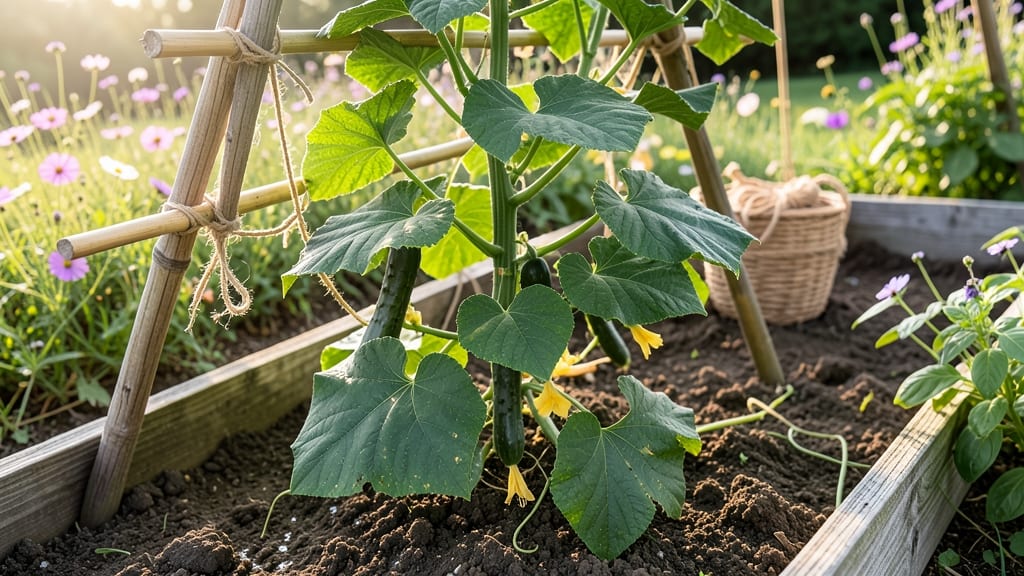
Cucumbers reaching for the sky instead of sprawling everywhere? ✨ That vertical garden dream is closer than you think—and it starts with the right climbing setup. I used to watch my vines take over the yard until I discovered how simple it is to train them upward.
The secret isn’t complicated: pick the right variety, set up proper support early, and give those vines a reason to grow tall.
The first step is choosing bushy, vigorous varieties like 'Straight Eight' or 'Marketmore'—they climb naturally. Then comes the support: trellises, stakes, or even chicken wire work, but 5-6 feet tall is ideal for full-size cucumbers.
Install it before planting so roots can weave through the base for stability. Prune regularly to encourage upward growth, and watch those vines transform from a ground-hugging mess into a neat, productive vertical display.
By mid-summer, you’ll have cucumbers hanging within easy reach, not buried under foliage. The plants stay healthier with better airflow, fruit ripens faster, and pests have a harder time hiding.
Plus, your garden suddenly has room for other crops—no more cucumber takeover territory. This method works for both small balconies and large gardens, making it the ultimate space-saver.
Fair warning: tying vines can feel fiddly at first, but once you get the rhythm, it’s quick. The payoff? Cleaner plants, higher yields, and cucumbers you can actually pick without crawling. Let’s get those vines climbing—your garden (and back) will thank you.
📚 In This Guide
- What you need
- Instructions
- Tips and common mistakes
- Wrapping up and next steps
What you need
- ● Cucumber seeds or seedlings: Choose vining varieties like 'Straight Eight,' 'Marketmore,' or 'Arkansas Traveler' (6–10 plants, depending on space).
- ● Trellis or climbing structure: DIY options: Sturdy wooden stakes (6–8 ft tall), bamboo poles, or a A-frame trellis (use 1x2 lumber or PVC pipes).
- ● Store-bought: Mesh netting, wire cages, or pre-made cucumber trellises (ensure they’re at least 6 ft tall and can support 10+ lbs per vine).
- ● Support ties: Soft plant ties, old T-shirts (cut into strips), or jute twine (avoid wire—it can damage vines!).
- ● Potting soil or garden bed: Well-draining, nutrient-rich soil (amend with compost for extra fertility).
- ● Watering can or hose: With a gentle spray nozzle (cucumbers hate soggy roots!).
- ● Fertilizer: Balanced 10-10-10 or compost tea (apply at planting and every 3–4 weeks).
- ● Pruning shears: For trimming excess leaves/side shoots (keep vines focused on climbing!).
- ● Mulch: Straw or shredded leaves to retain moisture and suppress weeds.
- ● Shade cloth: Lightweight (30–50%) for hot climates to prevent sunscald.
- ● Drip irrigation kit: For automated watering (saves time and ensures consistency).
- ● Cucumber companion plants: Marigolds or nasturtiums to deter pests!
Step-by-Step instructions for training cucumbers vertically
Here’s how I transform sprawling cucumber vines into neat, productive climbers—no wasted space or tangled messes.
🪴 Step 1: Choose the Right Support Structure
Cucumbers need sturdy support to climb, so I always start with a strong trellis, fence, or A-frame structure. For a small garden, a 4-foot-tall wire trellis works perfectly. Make sure the material is at least 4 inches wide—this gives vines room to wrap around without snapping. I like using galvanized wire or sturdy wooden slats because they won’t rust or warp over time.
Install the support right at planting time—don’t wait until vines start sprawling. If you’re using a fence, attach horizontal wires every 12 inches to give vines something to grip. For freestanding trellises, anchor them firmly into the ground so they don’t topple when vines get heavy with fruit. A wobbly trellis means broken stems and lost cucumbers.
🌱 Step 2: Plant Near (But Not Against) the Trellis
Sow cucumber seeds 6 inches away from the trellis, not right next to it. This gives roots room to establish before vines start climbing. If you’re transplanting seedlings, space them 12-18 inches apart in a line parallel to the support. I always plant 4-6 seeds per hill (since germination isn’t always perfect) and thin to the strongest two plants once they’re 4 inches tall.
Here’s the thing—don’t plant directly against the trellis. Roots need space to spread, and if you crowd them, the vines will struggle to anchor properly. Instead, give them a 6-inch buffer so they can grow outward first, then train upward. This also makes it easier to tie vines later without disturbing the roots.
💧 Step 3: Train Vines Upward as They Grow
Once vines reach 6-8 inches tall, they’ll start curling toward the trellis naturally. Gently weave the tip of the main vine around the first wire or slat. If the vine is too stiff to bend, don’t force it—just let it grow until it’s flexible enough to wrap. I use soft garden twine to loosely tie the vine to the trellis if needed, but I avoid tight knots that can girdle the stem.
Watch for side shoots (small stems branching off the main vine). These are optional to remove—if you want more cucumbers, leave a few. But if you’re growing space-saving varieties, pinch off side shoots when they’re 2 inches long to encourage upward growth. This might sound counterintuitive, but it keeps energy focused on the main vine and the trellis.
☀️ Step 4: Prune and Maintain for Maximum Yield
Every 7-10 days, check for wild, unruly growth—especially after heavy watering or rain. Cucumbers grow fast, and unchecked vines can become a tangled mess. Use clean, sharp pruning shears to trim back any side shoots that aren’t producing fruit. Focus on keeping the main vine and 1-2 strong side branches per plant to avoid overcrowding.
Real talk: don’t let vines climb too far ahead of fruit production. If you see a vine stretching 12+ inches above the last cucumber, it’s time to prune. This encourages the plant to focus on fruiting instead of just growing taller. Also, water at the base (not overhead) to keep leaves dry and prevent fungal diseases that love damp foliage.
⏰ Step 5: Harvest and Adjust as the Season Progresses
Start harvesting cucumbers when they’re 6-8 inches long—this keeps the plant producing instead of letting fruit get woody. I pick every 2-3 days during peak season to encourage more blooms. As the season winds down, you’ll notice vines slowing their upward growth. This is normal, but if vines start dying back early, reduce watering slightly to toughen them up for the end of the season.
If your trellis gets too heavy with fruit, add a second support wire halfway up to distribute the weight. Overloaded vines can snap under the weight of cucumbers, so don’t wait until it’s too late. By late summer, you’ll have neat, vertical vines with cucumbers hanging within easy reach—no more digging through foliage to find them!
Tips & tricks for perfect vertical cucumber growth
Common pitfalls—and how to sidestep every one when training cucumbers upward.
Support Stability is Everything: The 4-foot-tall trellis mentioned in Step 1 is non-negotiable for cucumbers. I learned this the hard way after watching vines topple under fruit weight. For extra security, bury your trellis support at least 12 inches deep in the ground or use heavy-duty stakes. If using a fence, attach horizontal wires every 12 inches as specified—this gives vines multiple grip points. For container gardens, consider a freestanding A-frame trellis with cross braces to prevent leaning.
Root Space Matters More Than You Think: That 6-inch buffer from the trellis in Step 2 isn't just a suggestion—it's crucial. I've seen cucumbers planted too close struggle to establish roots properly, leading to weak vines that can't support fruit. If your garden space is tight, try planting cucumbers in raised beds with built-in trellises to maintain proper spacing without sacrificing yard space. The roots will thank you with stronger growth and better fruit production.
Timing for Training Makes All the Difference: When vines reach 6-8 inches in Step 3, they're ready to climb—but don't rush them. Wait until they're flexible enough to wrap naturally around the trellis. I've found that using soft jute twine (instead of the garden twine mentioned) creates less friction as vines grow. Also, train vines during morning hours when stems are most pliable. If you notice vines struggling to curl upward, gently twist the tip around the trellis support to encourage the natural curling habit.
Pro Tips for Make Cucumbers Climb
- Common pitfalls—and how to sidestep every one when training cucumbers upward.
- Support Stability is Everything: The 4-foot-tall trellis mentioned in Step 1 is non-negotiable for cucumbers.
- Root Space Matters More Than You Think: That 6-inch buffer from the trellis in Step 2 isn't just a suggestion—it's crucial.
Frequently asked questions
Got questions about training cucumbers to climb? Here are some of the most common ones—and their easy solutions!
How long does it take for cucumbers to start climbing?
With the right support (like a trellis or cage), cucumbers can begin climbing within 1–2 weeks after planting, especially if you gently guide their vines upward. Bush varieties may take longer—focus on providing support early to encourage upward growth.
Can I use any type of trellis for cucumbers?
Not all trellises are equal! Cucumbers need durable, sturdy supports like wooden lattices, metal cages, or strong bamboo stakes. Avoid flimsy materials—they’ll snap under the weight of heavy vines and fruit. A DIY trellis (like a teepee of stakes) works great too!
What if my cucumbers won’t climb even with a trellis?
Check these fixes:
Weak vines? Prune lower leaves to reduce weight and redirect energy upward.
No training? Gently tie vines to the trellis with soft twine every few days.
Overcrowding? Thin plants so they compete less for space and nutrients.
Patience helps—some varieties are slower starters!Do climbing cucumbers produce more fruit than bush types?
Yes! When trained upward, cucumbers get better air circulation (fewer diseases) and more sunlight, leading to higher yields and sweeter fruit. Plus, vertical growth saves garden space—win-win!
What’s the best alternative if I don’t have a trellis?
No trellis? No problem! Try:
- Straw bales or hay bales (cucumbers will twine around them naturally).
- Fence or wire mesh (attach horizontally for easy climbing).
- String or rope (stretch between two posts and weave vines through).
Wrapping up and next steps
Growing cucumbers vertically isn’t just a clever space-saving hack—it’s a game-changer for small gardens, balconies, or even kitchen windowsills! 🌱 With the right trellis, support, and a little TLC, you’ll soon be harvesting crisp, sun-kissed cucumbers without sacrificing precious floor space.
Whether you’re a seasoned gardener or a beginner, this method makes it easy to grow more with less.
Now that you’re armed with the know-how, why not take the next step? Try experimenting with different trellis designs or companion plants to boost your cucumbers’ growth even further. Happy climbing—and even happier harvesting! 🥒✨