
Pruning
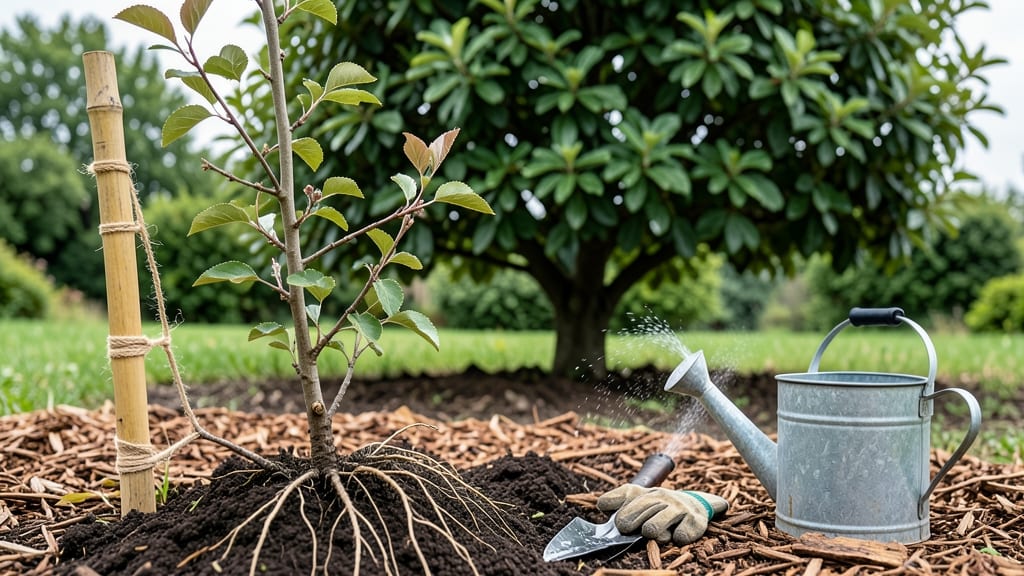
Your first apple tree starts with a single choice—seed, graft, or sapling—and each path leads to something different. 🌱 I’ve tried them all, and while seeds are romantic, nursery-bought trees get you fruit faster. The real secret? Matching your method to your patience and climate.
Soil prep is where most beginners stumble. Apple trees need well-draining, slightly acidic soil (think 6.0–6.5 pH) and a spot with 6+ hours of sunlight daily. If your yard’s heavy clay or rocky, amend it with compost—your tree’s roots will thank you for years.
Planting depth matters too: bury the graft union (if present) just above soil level to prevent rot. By year three, you’ll see blossoms, and with proper pruning, your tree will bear 50+ apples by year five.
The key is consistency: water deeply once a week (more in drought), prune in late winter, and fertilize with organic matter in early spring. Pests like aphids? A strong spray of water usually knocks them off. This isn’t just a tree—it’s a long-term project.
But the first bite of that crisp, homegrown apple? Worth every season of waiting. Let’s get started with the method that fits your goals.
📚 In This Guide
- What you need
- Instructions
- Tips and common mistakes
- Wrapping up and next steps
What you need
- ● Apple seeds – Fresh, viable seeds from a ripe apple (preferably organic or heirloom varieties for best results). Aim for 5–10 seeds to increase germination success.
- ● Potting soil – A well-draining, seed-starting mix (avoid garden soil—it can compact and hinder growth). A 5–10 gallon bag is ideal for starters.
- ● Small pots or seed trays – 3–4 inch diameter pots or a seed tray with drainage holes (one per seed or a few seeds per cell).
- ● Plastic wrap or humidity dome – To maintain moisture and warmth during germination.
- ● Spray bottle – For gentle watering without disturbing seeds.
- ● Grow lights or sunny windowsill – A south-facing window or LED grow light (12–16 hours/day) for seedlings.
- ● Pruning shears (sterilized) – For trimming as your sapling grows (sharp, clean blades to prevent disease).
- ● Fertilizer – A balanced, organic fertilizer (e.g., 10-10-10 or compost tea) for transplanting.
- ○ Mulch (optional but helpful) – Straw or wood chips to retain moisture and suppress weeds in outdoor planting.
- ● Patience – Apple trees grown from seed can take 5–10 years to bear fruit (vs. 3–5 years for grafted trees).
- ● Climate suitability – Choose a USDA hardiness zone (typically 4–8) for outdoor planting.
- ● Pollination plan – Most apple varieties are self-pollinating, but planting two trees ensures better fruit set.
- ● Space – Mature apple trees need 15–20 feet of space (consider dwarf varieties if space is limited).
Step-by-Step instructions for growing an apple tree from seed
Here's the straightforward method I've used to grow strong apple seedlings—no fancy tools, just patience and attention.
🌱 Step 1: Harvest and Prepare Your Apple Seeds
Save seeds from an apple you love—organic is best since store-bought apples often have chemical treatments that inhibit germination. Cut the fruit open and scoop out the seeds, then rinse them thoroughly under cool water to remove any fruit pulp. Spread them on a paper towel to dry for 2-3 days in a warm, dry place until they feel dry to the touch.
This drying step is crucial—wet seeds rot in storage. Once dry, store them in a sealed container in the refrigerator for 6-8 weeks to complete stratification. This cold period mimics winter conditions and breaks seed dormancy. I label the container with the apple variety and date—it's easy to forget which seeds you planted!
🌱 Step 2: Plant the Seeds for Germination
Fill small pots (3-4 inches deep) with a mix of 50% potting soil and 50% perlite for excellent drainage. Plant 2-3 seeds per pot about ½ inch deep—deeper planting delays germination. Cover lightly with additional mix and water gently until the soil feels evenly moist but not soggy.
Place the pots in a warm location with 65-75°F temperatures—a seedling heat mat helps if your home runs cooler. Keep the soil consistently moist by watering when the top inch feels dry. Germination typically takes 3-6 weeks, but don't be surprised if it takes longer—apple seeds are notoriously slow to sprout.
☀️ Step 3: Transplant Seedlings to Individual Pots
Once seedlings reach 3-4 inches tall and develop their first true leaves (not the initial seed leaves), carefully transplant them into 5-inch pots filled with fresh potting soil. Gently loosen the roots if they're tangled—this prevents transplant shock. Water thoroughly after planting to settle the soil around the roots.
Move the pots to a sunny window or under a grow light for 14-16 hours of light daily. Apple seedlings need strong light to grow sturdy stems. Rotate the pots weekly so the seedlings grow straight instead of leaning toward the light. You'll notice stronger, more compact growth within a few weeks.
🪴 Step 4: Harden Off and Plant Outdoors
When seedlings are 12-18 inches tall and have developed 5-7 leaves, it's time to harden them off. Start by placing them outside in a sheltered spot for 1-2 hours the first day, gradually increasing their outdoor time by 1 hour daily over 10-14 days. This slow adjustment helps them adapt to outdoor conditions.
Choose a sunny location with well-draining soil for your apple tree. Dig a hole twice as wide as the root ball but no deeper. Plant the seedling so the top of the root ball is level with the soil surface—burying too deep can suffocate the roots. Water deeply after planting to help the soil settle around the roots.
⏰ Step 5: Maintain and Care for Your Young Tree
Water your apple tree deeply once a week during the first growing season, ensuring the soil stays moist but not waterlogged. Mulch around the base with 2-3 inches of organic mulch to retain moisture and suppress weeds. Prune any dead or crossing branches in early spring to encourage a strong structure.
Apple trees grown from seed may not produce fruit true to the parent variety—expect unique flavors and characteristics! Be patient—it can take 5-10 years for a seed-grown apple tree to bear fruit. Keep an eye out for pests and diseases, and address them promptly to ensure your tree stays healthy and thrives.
Tips & tricks for growing an apple tree from seed
Here's what nobody tells you about nurturing apple seedlings—lessons I learned after watching my first batch of seeds fail.
Stratification Success: The 6-8 week cold treatment in Step 1 isn't just about breaking dormancy—it's about ensuring your seeds don't rot. I've seen seeds sprout prematurely if not properly chilled, only to collapse later. Place your sealed container on a refrigerator shelf (not the door) where temperatures stay consistently around 35-40°F. This mimics natural winter conditions that apple seeds experience in the wild.
Germination Patience: Those 3-6 weeks in Step 2 can feel like forever, but don't rush it. I once tried using a heat mat too aggressively and ended up with weak, leggy seedlings. Keep your pots in a warm spot (65-75°F) but maintain consistent moisture—water when the top inch feels dry. A clear plastic bag over the pots creates a mini greenhouse effect, but remove it daily for 10 minutes to prevent mold.
Lighting Strategy: The 14-16 hours of light in Step 3 is non-negotiable for sturdy growth. If using grow lights, position them 6-12 inches above the seedlings and adjust as they grow. I rotate my pots weekly using a simple marker on the bottom to track orientation—this prevents them from leaning toward one light source. Natural sunlight through a south-facing window works too, but supplement with artificial light if your days get shorter than 12 hours.
Harden Off Gradually: The 1-2 hour outdoor introduction in Step 4 might seem short, but it's the perfect starting point. I've seen seedlings shocked by sudden exposure—start with morning sunlight when temperatures are mild (50-60°F). Gradually increase time by 1 hour daily helps them develop thicker cell walls. Watch for wilting as your signal to move them back inside for another day.
Pro Tips for Make Apple Tree
- Here's what nobody tells you about nurturing apple seedlings—lessons I learned after watching my first batch of seeds fail.
- Stratification Success: The 6-8 week cold treatment in Step 1 isn't just about breaking dormancy—it's about ensuring your seeds don't rot.
- Germination Patience: Those 3-6 weeks in Step 2 can feel like forever, but don't rush it.
Frequently asked questions
Got questions about growing your own apple tree? You’re not alone! Here are some of the most common queries—and answers—to help you get started on the right foot.
Can I grow an apple tree from a store-bought apple?
Technically, yes—but it’s not ideal! Store-bought apples are often hybrids or treated to prevent sprouting. For better results, use seeds from an organic, heirloom apple (or buy grafting-ready rootstock). If you’re determined, plant the seed in moist soil, keep it warm, and be patient—it may take 5–10 years to bear fruit!
How long does it take for an apple tree to produce fruit?
Patience is key! A tree grown from seed can take 5–10 years to bear fruit, while grafted trees (like those from nurseries) may fruit in 2–4 years. Factors like climate, soil quality, and care also play a role. Pro tip: Choose dwarf varieties if space is limited—they fruit faster and are easier to maintain!
Do I need two apple trees to get fruit?
Most apple trees are self-pollinating, but cross-pollination often yields better fruit. Planting two compatible varieties (check labels for pollination groups) within 50–100 feet increases your chances of a bountiful harvest. Bonus: Different varieties can attract more pollinators!
What’s the best way to protect my young apple tree from pests?
Prevention is easier than treatment! Start with healthy soil (rich in compost) and regular pruning to improve airflow. Use organic sprays like neem oil for aphids or insecticidal soap for mites. For deer or rabbits, wrap the trunk with tree guards or use repellents. Pro tip: Encourage beneficial insects like ladybugs—they’re nature’s pest control!
Can I grow an apple tree in a cold climate?
Choose cold-hardy varieties like ‘Honeycrisp,’ ‘McIntosh,’ or ‘Granny Smith,’ which thrive in USDA zones 3–7. Plant in full sun, mulch heavily in winter, and water deeply before the ground freezes. Young trees may need winter protection (like burlap wraps) until established.
What’s the easiest alternative if I don’t want to wait years for fruit?
Consider dwarf apple trees (they fruit faster and fit small spaces) or container-growing varieties like ‘Columnar’ apples. For instant gratification, try apple bushes (like Crabapple varieties) or even apple espalier—they produce fruit in 2–3 years and are perfect for balconies or walls!
Wrapping up and next steps
Growing your own apple tree from seed to harvest is a rewarding journey that blends patience, care, and a touch of magic! 🌱 Whether you’re starting with a seed or grafting a cutting, each step brings you closer to fresh, homegrown apples.
Remember, consistency is key—prune with purpose, nurture the soil, and stay attuned to your tree’s needs.
Now that you’ve got the know-how, why not take the next step today? Grab your tools, pick a sunny spot, and let nature work its wonders. Soon, you’ll be savoring the sweet taste of success—literally! 🍏✨