
Container Gardens
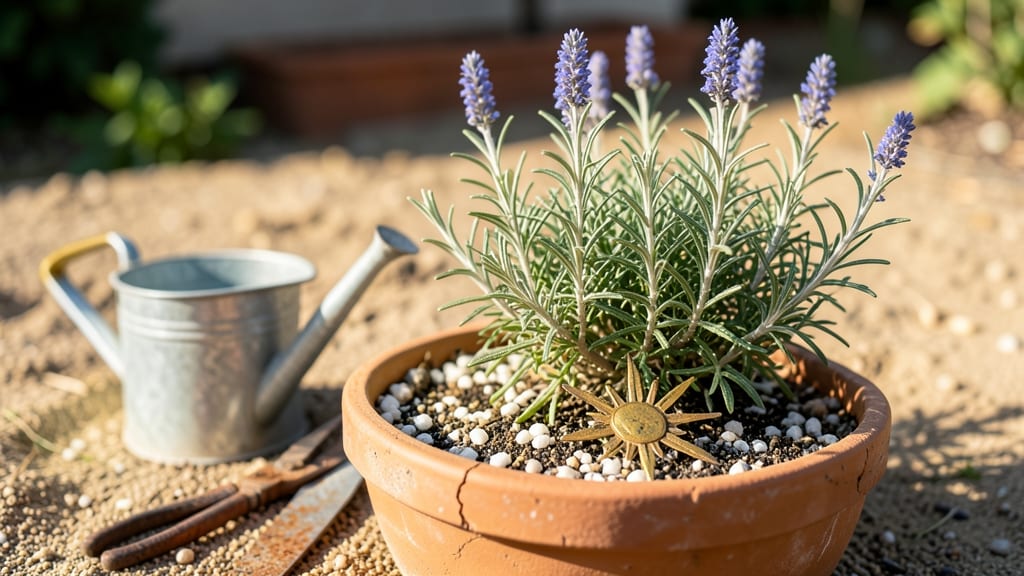
How to maintain rosemary is easier than you think—this hardy Mediterranean shrub thrives on neglect, sunshine, and just a few key adjustments. 🌿 I’ve kept mine alive for years by mimicking its natural habitat with almost no fuss, and you can too without turning into a pruning expert.
The secret lies in well-draining soil, bright light, and occasional pruning—not constant watering or heavy-handed care. Overwatering is the #1 killer, so let the soil dry completely between drinks, and plant it where it gets at least 6 hours of sun daily.
Once established, rosemary barely needs watering, making it perfect for forgetful gardeners.
With proper care, your rosemary will stay compact, fragrant, and productive for years, producing fresh sprigs year-round for cooking or garnishes. The trick is light pruning after harvests to encourage bushier growth, and avoiding heavy trims that stress the plant.
Seasonal tweaks matter too—reduce water in winter (unless your climate stays mild) and protect from frost if needed. Even leggy growth can be fixed with strategic cuts. Let’s get yours thriving without the guesswork!
📚 In This Guide
- What you need
- Instructions
- Tips and common mistakes
- Wrapping up and next steps
What you need
- ● Rosemary plant(s): 1–3 mature rosemary plants (upright or prostrate varieties, depending on your preference).
- ● Ensure they’re disease-free and well-established (purchased from a nursery or propagated from cuttings).
- ● Containers (if not in-ground): 1–2 well-draining pots per plant (minimum 12 inches deep and 12–18 inches wide).
- ● Drainage holes (non-negotiable—rosemary hates soggy roots!).
- ○ Optional: Cache pots (for extra insulation in cold climates).
- ● High-quality potting mix: 1 bag of well-draining cactus/succulent mix (or amend regular potting soil with perlite or coarse sand—aim for 30–50% sand/perlite).
- ○ Optional: Compost (10–20% by volume for nutrients).
- ● Pruning tools: 1 pair of clean, sharp pruning shears (sterilize with rubbing alcohol between cuts).
- ○ Optional: Garden gloves (to protect from thorns on some varieties).
- ● Watering supplies: Watering can with a rose nozzle (for gentle, targeted watering).
- ● Or a drip irrigation kit (for automated, consistent moisture).
- ● Fertilizer: Slow-release herb-specific granules or diluted liquid fertilizer (half-strength, 1–2 times per year).
- ● Mulch: Gravel or pebbles (to retain heat and deter weeds in warmer climates).
- ● Sunlight meter or app: To track 6+ hours of direct sun daily (rosemary’s happy place!).
- ● Humidity tray: A shallow tray with pebbles and water (for dry indoor environments).
- ● Label markers: To track varieties (e.g., Tuscan Blue vs. Arp).
Tips & tricks for perfect rosemary maintenance
A few strategic adjustments can transform your rosemary from a struggling survivor to a thriving, aromatic powerhouse. Here's what I've learned after years of trial and error.
Pruning Precision: In Step 1, when you're trimming that one-third of the plant, focus on cutting at a 45-degree angle just above a leaf node. This angled cut prevents water from pooling on the stem, which reduces fungal risks. I also recommend sterilizing your pruners with rubbing alcohol between cuts—this prevents spreading disease from any infected stems you might encounter. The key is to work when the plant is actively growing but before it flowers, typically after your last spring frost date.
Sunlight Strategy: For Step 2, if you notice your rosemary leaning dramatically toward the light, it's not just a growth quirk—it's a sign you need to rotate your containers. I rotate mine every 2-3 weeks, and you'll see the leaves even out within a month. If you're growing in a garden bed, consider planting in a north-south orientation to maximize sunlight exposure throughout the day. Remember, rosemary needs that full sun (6-8 hours) to develop its signature piney aroma.
Watering Wisdom: The most common mistake in Step 3 is overwatering, especially for container-grown rosemary. Instead of sticking to a rigid schedule, I check the soil moisture by sticking my finger 2 inches deep—if it feels dry, that's your cue to water. For potted plants, I've found that allowing the soil to dry out completely between waterings actually strengthens the roots. In winter, you can extend that to every 3-4 weeks unless you're in a particularly dry climate.
Harvesting Technique: When harvesting in Step 4, I've found that using a pair of clean kitchen shears works better than pruners for delicate stems. Cut just above a leaf node where you want new growth to emerge, and always harvest in the morning when the oils are most concentrated. Pro tip: If you're drying rosemary, bundle 4-6 inch stems together and hang them upside down in a dark, well-ventilated space. They'll be ready in about 2 weeks when the leaves crumble easily between your fingers.
Pro Tips for Maintain Rosemary
- A few strategic adjustments can transform your rosemary from a struggling survivor to a thriving, aromatic powerhouse.
- Pruning Precision: In Step 1, when you're trimming that one-third of the plant, focus on cutting at a 45-degree angle just above a leaf node.
- Sunlight Strategy: For Step 2, if you notice your rosemary leaning dramatically toward the light, it's not just a growth quirk—it's a sign you need to rotate your containers.
Frequently asked questions
Got questions about keeping your rosemary thriving?
Here are answers to the most common concerns—from pruning to pests—so you can enjoy fresh, fragrant herbs all year!
How often should I prune rosemary?
Prune rosemary lightly twice a year: once in early spring (just as new growth starts) and again after harvests. Avoid heavy pruning—it can stress the plant. Focus on trimming 1/3 of the plant’s height to encourage bushiness, and always use clean, sharp shears to prevent disease.
Can I grow rosemary indoors? What’s the best setup?
Yes! Rosemary thrives indoors with bright, indirect light (a south-facing window or grow lights work best). Use a well-draining pot (like terracotta) and a light, sandy potting mix. Keep humidity moderate—mist occasionally or use a pebble tray. Just avoid overwatering; let the soil dry between waterings!
Why is my rosemary turning yellow or brown? How do I fix it?
Yellow leaves often signal overwatering, while brown edges can mean underwatering or low humidity. Check the soil—it should be dry to the touch 1–2 inches down. Adjust watering, improve drainage, and ensure good airflow. If pests (like spider mites) are the issue, wipe leaves with neem oil or insecticidal soap.
How do I protect rosemary in winter?
Rosemary is hardy but may need help in freezing temps (below 20°F/-7°C). Move potted plants to a sheltered spot (like a garage or under eaves) or wrap them in burlap. For outdoor plants, mulch heavily around the base. Prune lightly in late winter to shape the plant before new growth starts.
Can I propagate rosemary from cuttings? What’s the easiest method?
Take 4–6 inch cuttings from healthy stems, strip the lower leaves, and dip in rooting hormone (optional). Plant in a pot with sandy soil and keep moist (not soggy). Place in bright, indirect light. Roots should form in 2–4 weeks. Transplant once established!
Pro Tip:
Need a quick rosemary hack? Harvest sprigs throughout the year—it encourages bushier growth! Store fresh stems in water in the fridge (like flowers) for up to 2 weeks, or dry bundles upside down in a dark, airy spot for long-term use.
Wrapping up and next steps
With just a little care, your rosemary can thrive year-round and become a fragrant, low-maintenance star in your container garden! 🌿 Remember, regular pruning, well-draining soil, and sunlight are the keys to keeping it happy.
Whether you’re harvesting sprigs for cooking or admiring its silvery-green beauty, your efforts will pay off in lush, vibrant growth.
Ready to take the next step? Experiment with recipes or share your rosemary bounty with friends—because nothing beats the joy of homegrown herbs! 🍽️