
Aphids
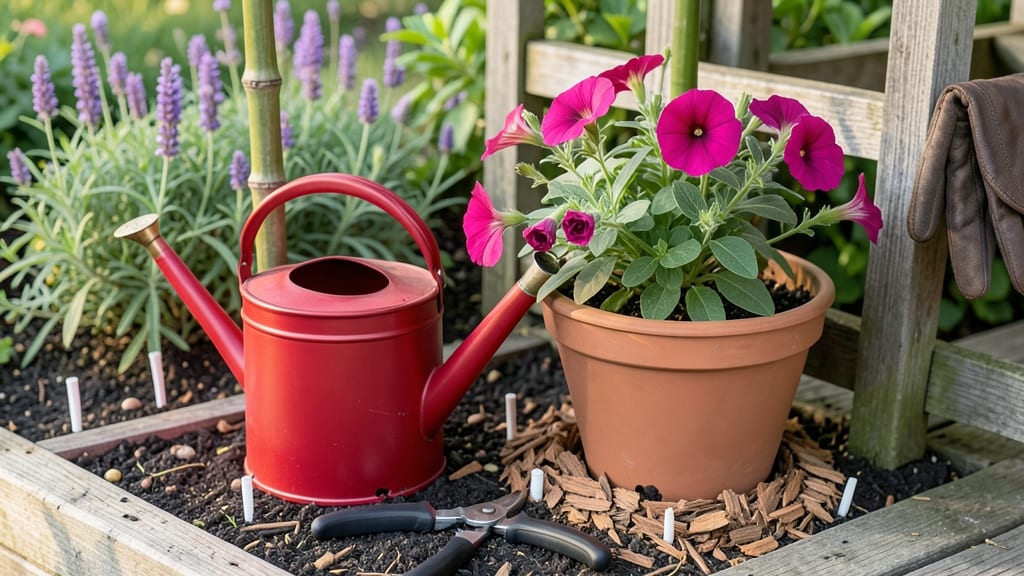
How to maintain petunias that bloom nonstop all summer—no aphid infestations, no leggy stems. 🌸 I’ve battled those sticky pests and floppy growth for years, and these tricks finally gave me the petunias of my dreams: full, bushy, and pest-resistant. The secret? A mix of smart pruning, targeted sprays, and knowing exactly when to water. Start with well-draining soil and a sunny spot—petunias hate soggy roots. Deadhead spent blooms weekly to encourage new flowers, and pinch back leggy stems early. For aphids, I use a soapy water spray (1 tsp mild soap per quart of water) on the undersides of leaves where they hide. Repeat every 5-7 days until they vanish. By mid-summer, your petunias will look like they’re from a nursery display, not your backyard. The blooms stay vibrant longer, the plants stay compact, and you’ll spend less time fighting pests. This method works for both hanging baskets and in-ground plantings—just adjust watering based on container size. Fair warning: Over-fertilizing causes more leaves than flowers. Stick to a balanced 10-10-10 fertilizer every 4-6 weeks, and cut back in late summer to prep for fall. Your petunias will thank you with one last burst of color before the first frost.
📚 In This Guide
- What you need
- Instructions
- Tips and common mistakes
- Wrapping up and next steps
What you need
- ● Petunias: Healthy, established plants (choose varieties like 'Wave Purple' or 'Supertunia' for resilience).
- ● Pruning shears: Sharp, clean pair (sterilize with rubbing alcohol before/after use).
- ○ Garden gloves: Heavy-duty to protect hands from thorns and pests (optional but recommended!).
- ● Watering can or hose: With a gentle spray nozzle for hydration.
- ● Balanced fertilizer: 10-10-10 or 20-20-20 (follow package instructions for dilution).
- ● Insecticidal soap or neem oil: For aphid control (look for organic options like Safer® Brand).
- ● Spray bottle: 16 oz for DIY aphid sprays (e.g., water + dish soap + neem oil).
- ● Mulch: Organic (straw or shredded bark) to retain moisture and deter weeds.
- ● Support stakes or cages: For trailing varieties (e.g., 'Tidal Wave' petunias).
- ● Slow-release fertilizer pellets: For convenience (apply every 6-8 weeks).
- ● Garden twine: To secure trailing petunias to trellises.
- ● Pest traps: Yellow sticky traps for monitoring aphid activity.
- ● Plant food with micronutrients: Like fish emulsion for extra vigor.
- ● Rain gauge or moisture meter: To track watering needs precisely.
Tips & tricks for perfect petunia care
Real talk: These small adjustments make all the difference between petunias that fade and ones that thrive all season long.
Timing Tip: That 5-minute pruning session in Step 1 is your secret weapon. I set a timer so I don't over-prune—petunias bounce back fast, but cutting too much at once stresses them. Focus on removing only the wilted blooms first, then address leggy growth. The buds forming below those spent blooms will open within a week, so you'll see results fast!
Watering Wisdom: The 1 inch of water per week guideline assumes average rainfall. If you live in a dry climate, check soil moisture daily—petunias wilt fast when thirsty. I use my finger to test moisture: if the top 2 inches feel dry, it's time to water. Pro move: Water at the soil line rather than overhead to keep leaves crisp and prevent fungal spots.
Aphid Attack Strategy: When mixing your 1 tablespoon mild dish soap + 1 quart water spray in Step 3, I add a splash of rubbing alcohol (just 1 teaspoon) to the mix. It doesn't harm plants but helps break down aphid protective coatings. Spray until leaves glisten—this ensures full coverage. If you miss some aphids, they'll return within days, so consistency matters more than intensity.
Heat Protection Hack: For container petunias in hotter-than-90°F afternoons, I wrap the pots in damp burlap sacks during peak heat. This mimics the cooling effect of mulch without needing to move plants. Check for crispy leaf edges daily—if you see them, provide shade immediately. The new buds forming after shade relief are your reward for quick action!
Pro Tips for Maintain Petunias
- Real talk: These small adjustments make all the difference between petunias that fade and ones that thrive all season...
- Timing Tip: That 5-minute pruning session in Step 1 is your secret weapon. I set a timer so I don't over-prune—petuni...
- Watering Wisdom: The 1 inch of water per week guideline assumes average rainfall. If you live in a dry climate, check...
Frequently asked questions
Got questions about keeping your petunias thriving? Here are some of the most common concerns—and their solutions—to help you grow aphid-free, vibrant blooms all season long!
When is the best time to prune petunias?
Prune petunias in the morning after dew has dried but before the heat of the day (around 7–9 AM). This gives plants time to recover and reduces stress. Avoid pruning in extreme heat or cold. For continuous blooms, trim spent flowers and leggy stems every 2–3 weeks during the growing season (spring to fall).
How do I get rid of aphids naturally?
Aphids love petunias, but you can kick them to the curb without harsh chemicals! Start by hosing them off with a strong stream of water. For stubborn infestations, mix 1 tsp dish soap + 1 quart water in a spray bottle and apply directly to pests (avoid overspraying flowers). Introduce ladybugs or lacewings—they’re aphid-eating superheroes! Repeat every 3–5 days until gone.
How often should I water petunias?
Water petunias deeply 1–2 times per week, aiming for 1–1.5 inches of water per session. Let the top inch of soil dry out between waterings to prevent root rot. Morning watering is ideal—it reduces fungal risks and gives plants a hydration boost for the day. Mulch around the base to retain moisture (but keep it 1–2 inches away from stems).
Can I grow petunias in containers?
Petunias thrive in containers as long as you meet their needs: Use a well-draining potting mix with added compost, and choose pots at least 12 inches wide (bigger = happier roots). Ensure containers have drainage holes, and fertilize every 2 weeks with a balanced liquid fertilizer. Trail varieties (like ‘Wave’ or ‘Supertunia’) look stunning in hanging baskets or window boxes!
Do petunias come back every year?
Petunias are annuals, meaning they don’t survive winter in most climates. However, in USDA Zones 9–11 (or with winter protection like mulch and row covers), they may return. If you love them, save seeds from mature flowers or start fresh each spring. Pro tip: Take cuttings in early fall to propagate new plants for next year!
Wrapping up and next steps
With these aphid-fighting tricks and petunia-pruning tips, your garden will soon burst with vibrant, healthy blooms! 🌸 Remember, consistency is key—regular checks and gentle care will keep pests at bay and your petunias thriving.
Ready to take the next step? Grab your pruners and spray bottle, then share your progress with fellow gardeners—you’ve got this!
Pro Tip: 💡 Save this guide for quick reference, and soon, you’ll be the go-to expert for aphid-free petunias in your neighborhood!