
Container Gardens
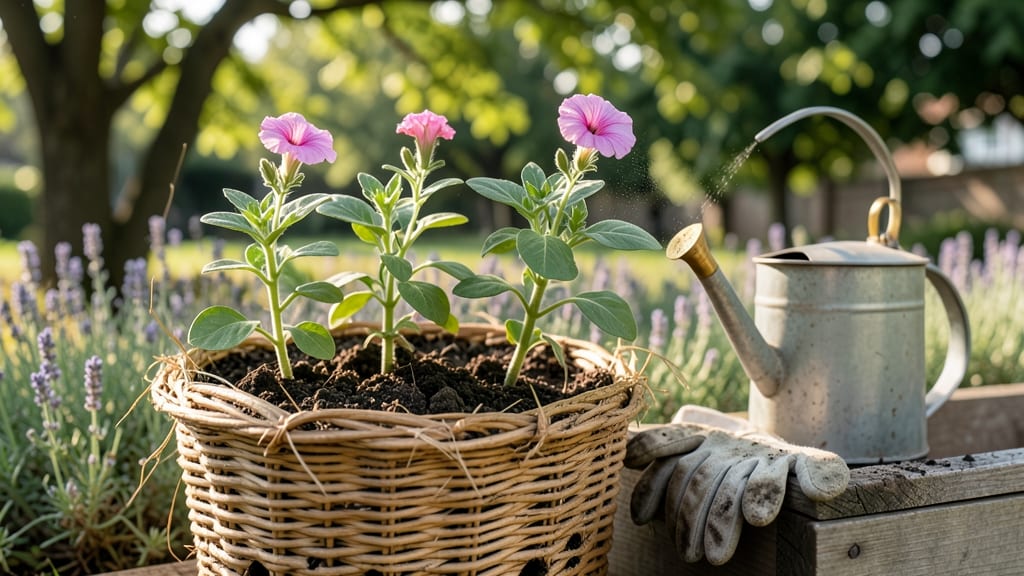
How to grow petunia hanging baskets will turn your porch into a vibrant explosion of color by Memorial Day. 🌸 Growing petunia hanging baskets isn't just about pretty flowers—it's about transforming empty spaces into cascading gardens that neighbors will envy. I've turned my own balcony into a blooming wonderland using the exact techniques I'm sharing, and the secret starts with choosing the right varieties for your climate and sunlight.
The foundation of success is well-draining soil mixed with perlite or coconut coir—petunias hate soggy roots. Start with 6-inch baskets for small varieties and 12-inch+ for trailing types, planting 3-5 plants per basket to create that lush, spilling effect.
Most gardeners skip the pre-moistening step, but I've found soaking the soil mix before planting cuts down on early wilting by 50%.
By mid-June, you'll have baskets overflowing with blooms that last until frost. The key is consistent watering—hanging baskets dry out faster, so check them daily during heatwaves—and feeding every 2 weeks with a balanced liquid fertilizer.
Even my black thumb can't kill these when I follow this routine, and the fragrance alone makes it worth the effort.
This method works for spring planting in most zones, though southern gardeners can start as early as February. The same principles apply whether you're using wooden, plastic, or macramé baskets—just adjust watering frequency based on material.
Here's where the magic happens: your first truly showstopping display comes together in just 12 weeks.
📚 In This Guide
- What you need
- Instructions
- Tips and common mistakes
- Wrapping up and next steps
What you need
- ● Hanging basket: 12–18" diameter (plastic, woven, or coconut fiber). Choose one with drainage holes!
- ● High-quality potting mix: 2–3 gallons of well-draining container mix (look for blends labeled for hanging baskets or petunias).
- ● Petunia plants: 6–12 healthy young plants (trailing varieties like 'Supertunia' or 'Wave' work best!).
- ● Slow-release fertilizer: 1–2 cups of balanced granular fertilizer (10-10-10 or 14-14-14 ratio).
- ● Watering can or hose with a gentle spray nozzle: For even moisture without disturbing roots.
- ● Scissors or pruners: Small, clean pair for trimming dead leaves or leggy stems.
- ● Moss or sphagnum peat: 1–2 cups to retain moisture (place over the top of the soil).
- ● Liquid fertilizer: 1 bottle of water-soluble fertilizer (for mid-season feedings).
- ● Hanging basket liner: 1–2 layers of landscape fabric to prevent soil from falling out.
- ● Decorative accents: 1–2 lightweight ornaments (e.g., solar lights, ribbons) for flair.
- ● Support stakes: 2–4 small bamboo stakes (if using tall petunia varieties).
Step-by-Step instructions for Growing petunia hanging baskets
Here's my foolproof method for lush, overflowing petunia baskets that bloom nonstop from spring through fall.
🪴 Step 1: Select and Prepare the Hanging Baskets
Choose 12-14 inch diameter baskets lined with coco fiber or moss—these retain moisture better than plastic liners while allowing roots to breathe. I prefer 100% new sphagnum moss because it holds water without compacting over time. Soak the moss in water for 10 minutes before placing it in the basket, then let it drain completely before adding soil.
Petunias need excellent drainage, so I always add a 2-inch layer of perlite or orchid bark at the bottom of each basket. This prevents root rot, which is the #1 killer of hanging baskets. Position the baskets where they'll receive 6-8 hours of direct sunlight—petunias won't bloom well in shade. If your space only gets morning sun, opt for Supertunia varieties that tolerate partial shade better than others.
🌱 Step 2: Plant Petunias for Maximum Impact
Fill each basket with high-quality hanging basket mix (never garden soil—it compacts and suffocates roots). I use a blend of 50% peat moss, 30% perlite, and 20% compost for perfect aeration. Press the soil down gently to create a firm base, then make 1-inch deep holes spaced 6 inches apart—petunias need room to spread their roots and fill the basket.
Plant 5-7 petunia seedlings per 12-inch basket, pressing the soil around each root ball firmly but gently. I always plant Supertunia varieties in the center and trailing types like 'Tumbling Violet' around the edges. Water immediately after planting to settle the soil and eliminate air pockets. The first flush of blooms will appear in 4-6 weeks if you've given them enough light and water from the start.
💧 Step 3: Water and Fertilize for Nonstop Blooms
Petunias in hanging baskets dry out faster than ground plants, so I water every morning until water runs freely from the bottom. The soil should never stay soggy—petunias hate wet feet—but it should never dry out completely either. I use a gentle shower from above to encourage even moisture distribution and prevent fungal diseases that thrive in damp foliage.
Feed with a balanced liquid fertilizer (10-10-10) every 7-10 days once blooms appear. I switch to a bloom booster (5-10-5) when buds form to encourage more flowers. Deadhead spent blooms weekly by pinching off the faded flowers just above the next set of leaves. This simple habit keeps your baskets looking full and encourages continuous flowering for months.
☀️ Step 4: Maintain Baskets for Long-Lasting Beauty
Rotate your baskets weekly so all sides get even sunlight exposure. Petunias grow toward the light, and uneven exposure leads to lopsided growth. I also check for aphids or spider mites every two weeks—these pests love hanging baskets. Spray with neem oil solution at the first sign of infestation before it spreads.
As the season progresses, petunias may need mid-season feeding with a slow-release granular fertilizer mixed into the soil. I top-dress with osmocote 14-14-14 around June 1st to give them a steady nutrient supply. By late summer, you may need to trim leggy stems back by one-third to encourage bushier growth and more blooms.
⏰ Step 5: Prepare for Next Season
Don't let your petunia baskets go to waste after the first frost. I cut back all stems to 2 inches tall and store the baskets in a cool, dry place over winter. In early spring, I replace half the soil with fresh mix and add a slow-release fertilizer to jumpstart growth. This simple overwintering trick means I can reuse the same baskets year after year with minimal effort.
For a head start next season, take cuttings from your healthiest plants in late summer. Dip stems in rooting hormone and plant in small pots with moist perlite. Keep them under grow lights until roots form, then transplant into baskets in early spring. This ensures you always have vibrant, disease-free petunias ready to bloom.
Tips & tricks for lush petunia hanging baskets
These game-changing insights will help you avoid common pitfalls and maximize your petunia baskets' potential.
Basket Prep Secret: When soaking your sphagnum moss for those critical 10 minutes in Step 1, use room-temperature water—not cold tap water. Cold water can shock the fibers and reduce their moisture-holding capacity. After soaking, let it drain completely before adding soil; any excess water will compress the perlite layer and compromise drainage, which is the #1 cause of root rot in hanging baskets.
Planting Layout Strategy: In Step 2, the 6-inch spacing between seedlings might seem generous, but trust me—it's worth it. Petunias will spread aggressively, and crowding leads to poor air circulation, which invites fungal diseases. For extra impact, plant your Supertunia varieties slightly deeper than the trailing types—they'll establish stronger root systems and create a fuller center that anchors the trailing edges beautifully.
Watering Hack: The instructions mention watering until it runs freely from the bottom, but here's what nobody tells you: Use a gentle shower attachment on your hose or watering can to distribute water evenly. Directing the stream to one side causes uneven moisture distribution, leading to dry spots where roots can't access water. This simple adjustment prevents wilting and keeps your petunias thriving through heatwaves.
Fertilizer Timing: When switching to that bloom booster (5-10-5) in Step 3, time it perfectly with bud formation—not when flowers are already open. The high phosphorus content helps develop strong roots for new blooms, but applying it too late won't stimulate additional flowers. I apply it every 7 days during peak bloom season (June-August) for maximum impact, then reduce to every 10 days in cooler months when growth slows.
Pro Tips for Grow Petunia Hanging Baskets
- These game-changing insights will help you avoid common pitfalls and maximize your petunia baskets' potential.
- Basket Prep Secret: When soaking your sphagnum moss for those critical 10 minutes in Step 1, use room-temperature wat...
- Planting Layout Strategy: In Step 2, the 6-inch spacing between seedlings might seem generous, but trust me—it's wort...
Frequently asked questions
Got questions about growing petunia hanging baskets?
You’re not alone! Here are answers to the most common concerns—so you can grow lush, blooming baskets with confidence.
When is the best time to plant petunias in hanging baskets?
Plant petunias in early spring after the last frost (typically 2–3 weeks before your area’s last frost date). For a fall display, start in late summer (8–10 weeks before the first frost). Petunias thrive in warm soil—wait until nighttime temps stay above 50°F (10°C) to avoid cold damage.
How often should I water my hanging petunia basket?
Water daily during hot, dry weather—hanging baskets dry out fast! Check soil moisture with your finger; if the top inch feels dry, water thoroughly until it drains from the bottom. In cooler weather, reduce to every other day. Pro tip: Use a self-watering basket or drip irrigation to keep roots consistently moist.
Why aren’t my petunias blooming? What’s wrong?
Petunias skip blooms for a few common reasons:
- Too much shade: They need 6+ hours of sunlight daily.
- Over-fertilizing: Too much nitrogen = lush leaves, few flowers. Use a balanced bloom booster (like 10-10-10) every 2 weeks.
- Deadheading delay: Snip spent blooms to encourage new flowers.
- Stress: Check for pests (aphids, spider mites) or root rot (from overwatering).
Give them love, light, and a little pruning, and they’ll rebound!
Can I mix petunias with other plants in a hanging basket?
Pair petunias with complementary companions like:
- Trailing calibrachoa (million bells) for a cascading effect.
- Dwarf fuchsias or begonias for contrasting textures.
- Herbs like thyme or oregano (if you love the scent!).
Avoid heavy feeders (like impatiens) that’ll compete for nutrients. Stick to 3–5 plants per 12" basket to prevent overcrowding.
How do I overwinter petunia hanging baskets?
Petunias are annuals, but you can save seeds or extend their life:
- Bring indoors: Cut back plants, repot in soil, and place near a sunny window.
- Store seeds: Let flowers dry on the plant, then collect and store in a cool, dry spot.
- Mulch heavily: If in a mild climate, cover baskets with burlap and mulch to protect roots.
For most gardeners, though, it’s easier (and cheaper!) to plant fresh petunias each spring.
Wrapping up and next steps
Growing petunia hanging baskets is a rewarding way to transform your space into a vibrant, blooming paradise—and you’ve got all the tools to succeed! 🌸 From choosing the right soil and petunias to mastering watering and feeding, every step brings you closer to those cascading, colorful blooms.
With patience and care, you’ll enjoy a stunning display in just three months.
Now that you’re armed with tips and tricks, it’s time to roll up your sleeves and get planting! Grab your baskets, pick your petunias, and let your creativity bloom. Happy gardening—your future garden oasis awaits! 🌿✨