
How To
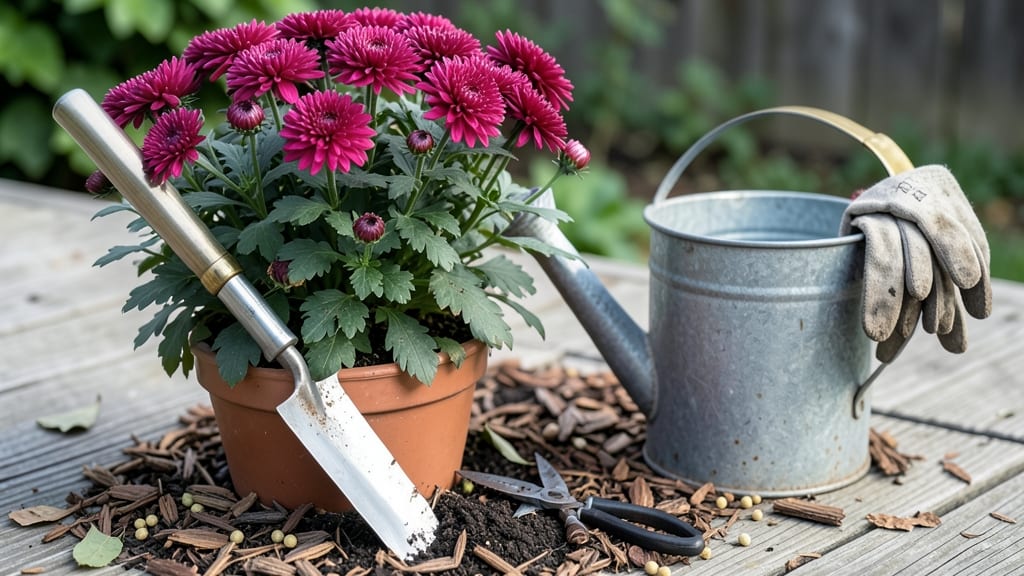
Maintaining mums isn't just about fall color—it's about year-round blooms that make neighbors do a double take. 🌼 I've had these hardy perennials thriving in my garden for five seasons, and the secret isn't complicated: consistent care turns them from seasonal showstoppers into garden workhorses.
Start with well-draining soil and full sun—mums hate soggy roots. Water when the top inch feels dry, and feed every 4-6 weeks with balanced fertilizer. The real game-changer? Deadheading spent blooms keeps them flowering until frost, while a mid-season pruning (cutting back by 1/3) ensures bushier growth next year.
You'll end up with plants that bloom from early summer through fall, resist pests better, and even survive mild winters with a little mulch. The key is staying consistent—no skipping the pruning or letting them dry out completely. Even my black thumb can't kill these with basic attention.
Works for in-ground beds or containers, and the same principles apply whether you're growing the classic yellow or the newest deep purple varieties. Let's get those mums looking their best all season long.
📚 In This Guide
- What you need
- Instructions
- Tips and common mistakes
- Wrapping up and next steps
What you need
- ○ Potting soil: Well-draining, peat-based or coco coir mix (10–15 lbs for repotting). Optional: Add perlite or sand (20–30%) for extra aeration.
- ● Containers: Pots with drainage holes (6–12 inches wide, depending on plant size). Pro tip: Terracotta pots help wick moisture!
- ● Fertilizer: Balanced liquid fertilizer: 10-10-10 or 20-20-20 (1 tbsp per gallon of water, every 2–4 weeks in growing season).
- ● Slow-release granules: Osmocote or similar (sprinkle 1–2 tbsp per pot at planting).
- ● Watering can: With a narrow spout for precision (1–2 gallons capacity).
- ● Pruning shears: Sharp, sterilized (small, bypass-style, 4–6 inches).
- ● Winter: Mulch: Straw or shredded leaves (2–3 inches thick) to insulate roots.
- ○ Cold frame or greenhouse: Optional for tender varieties in freezing climates.
- ● Summer: Shade cloth: 30–50% coverage for afternoon sun protection (if in hot zones).
- ● Misting bottle: For humidity-loving varieties (e.g., spray 2–3 times/day).
- ● Pests/Disease: Neem oil: (2 tsp per gallon of water) for aphids, spider mites.
- ● Fungicide: Copper-based (e.g., Bonide Copper Fungicide) for powdery mildew.
- ● Grow lights: LED full-spectrum bulbs (12–14 hrs/day in low-light winters).
- ● Soil moisture meter: To avoid over/under-watering.
- ● Epsom salt: (1 tbsp per gallon) for magnesium boost (every 6–8 weeks).
- ● Decorative stones: For aesthetic mulch (e.g., pebbles or bark chips).
Step-by-Step instructions for maintaining mums
Here’s how I keep my mums blooming beautifully through seasons—no fancy tricks, just reliable care.
🌱 Step 1: Water Deeply and Regularly
Mums thrive when their roots stay consistently moist but never soggy. Water deeply once a week during warm weather, letting the soil dry out slightly between waterings. You’ll know it’s time when the top 1-2 inches of soil feel dry to the touch. Overwatering is the biggest mistake—it causes root rot and weakens plants.
In cooler months, reduce watering to every 10-14 days, as evaporation slows. Always water at the base to avoid wetting the foliage, which can invite fungal diseases. A soaker hose or drip irrigation keeps moisture where it matters most.
☀️ Step 2: Provide the Right Light and Airflow
Mums need full sun to partial shade—at least 4-6 hours of direct sunlight daily—for vibrant blooms. In hot climates, afternoon shade prevents scorching. You’ll notice leaves turning pale or wilting if they’re getting too much sun, while leggy growth means they’re stretching for more light.
Good airflow is just as important. Space plants 12-18 inches apart to reduce humidity around the foliage. If your garden is humid, prune back crowded branches to improve circulation. This prevents powdery mildew, a common issue with mums.
✂️ Step 3: Deadhead and Prune for Continuous Blooms
Deadheading spent blooms every 2-3 days keeps mums producing new flowers. Simply pinch off faded blossoms with your fingers or snip just above the next set of leaves. This redirecting energy to fresh buds is what gives mums their nonstop bloom reputation.
After the first flush of flowers fades in fall, give your mums a light trim. Cut back stems by one-third to encourage a second round of blooms. Avoid heavy pruning later in the season—it can stress plants before winter.
🌿 Step 4: Fertilize and Mulch for Winter Prep
Feed mums every 4-6 weeks during the growing season with a balanced, slow-release fertilizer (10-10-10 works well). Stop fertilizing by mid-summer to let plants harden off for winter. You’ll see stronger stems and richer colors when you do this right.
Apply 2-3 inches of mulch around the base in early fall. This insulates roots from freezing temperatures and retains moisture. Use shredded bark or straw—avoid fresh wood chips, which can draw nitrogen away from the soil.
⏰ Step 5: Protect and Prune for Winter Dormancy
Once temperatures drop below 30°F, protect mums with burlap wraps or frost cloth. This shields them from harsh winds and prevents winter burn. In colder zones, mound extra mulch around the base for added insulation.
In late winter, prune back dead or damaged stems to 4-6 inches above the ground. This encourages fresh growth in spring. Avoid heavy cuts—mums are tough but not invincible. A light trim is all they need to bounce back.
Tips & tricks for perfect year-round mum care
These little details make all the difference between mums that fade and ones that keep blooming like clockwork.
Watering Wisdom: The "top 1-2 inches dry" test is your best friend—stick your finger in the soil at the base of the plant. If it feels like a dry sponge, it's time to water. I've learned the hard way that morning watering prevents fungal issues from overnight moisture. For container mums, check soil moisture more frequently since pots dry out faster.
Light and Airflow Secrets: In Step 2, if your mums start looking pale or stretched, they're either getting too much sun or not enough. For afternoon shade, try placing them under a sheer curtain or near a lattice structure. And here's what nobody tells you—crowded plants create a humid microclimate that invites powdery mildew. That 12-18 inch spacing isn't just for looks!
Pruning Precision: When you're cutting back stems by one-third in fall, make your cuts just above a leaf node or bud. This gives the plant a clear place to regrow from. I use clean, sharp pruners and dip them in rubbing alcohol between cuts to prevent spreading any potential diseases between plants.
Winter Protection Pro Tip: For those below 30°F nights, don't just wrap your mums—create a little air pocket. Place the burlap wrap loosely around the plant with some space between the plant and the wrap. This allows for airflow while still protecting from harsh winds. In windy areas, consider adding small stakes to hold the wrap in place.
Pro Tips for Maintain Mums
- These little details make all the difference between mums that fade and ones that keep blooming like clockwork.
- Watering Wisdom: The "top 1-2 inches dry" test is your best friend—stick your finger in the soil at the base of the plant.
- Light and Airflow Secrets: In Step 2, if your mums start looking pale or stretched, they're either getting too much sun or not enough.
Frequently asked questions
Got questions about keeping your Chrysanthemum (Mums) thriving? Here are answers to the most common ones—so you can enjoy those cheerful blooms all year long!
How often should I water my Mums?
Water your Mums 1-2 times per week, depending on your climate. Let the top inch of soil dry out between waterings—overwatering can lead to root rot. Pro tip: Mums in containers dry out faster than those in the ground!
Can I keep Mums indoors during winter?
Yes! Move potted Mums indoors before the first frost (temperatures below 25°F). Place them near a sunny window or under grow lights. Reduce watering and fertilize lightly until spring. Watch out: Drafts and dry indoor air can stress them.
Why are my Mums not blooming?
Mums need 12-14 hours of daylight and cooler temps (50-60°F) to bloom. If they’re not flowering, check for:
- Too much nitrogen (focus on phosphorus for blooms)
- Overcrowded roots (repot if needed)
- Lack of sunlight (they need 6+ hours daily)
How do I revive a leggy or bare Mum?
Leggy Mums need a reset! Trim back 1/3 of the stems to encourage bushier growth. Repot in fresh soil, move to brighter light, and fertilize with a balanced bloom booster. With patience, they’ll perk up!
Are there perennial Mums that don’t die in winter?
Yes! Hardy Mums (like Chrysanthemum × grandiflorum) survive winters in USDA Zones 5-9 with proper care. Mulch heavily in fall, water sparingly in winter, and prune in early spring. Bonus: They’ll reward you with year-after-year blooms!
Wrapping up and next steps
With the right care, your mums (chrysanthemums) can thrive year-round, gracing your garden with vibrant blooms season after season! 🌸 The key is consistency—balancing watering, pruning, soil health, and seasonal adjustments ensures they stay lush and happy.
Whether you’re a beginner or a seasoned gardener, these steps make maintenance simple and rewarding.
Now that you’re armed with tips, take action! Start by assessing your mums’ current state—trim any dead foliage, refresh their soil, and adjust your care routine based on the season. Your garden will thank you with a burst of color! Happy gardening! 🌿✨