
Companion Plants
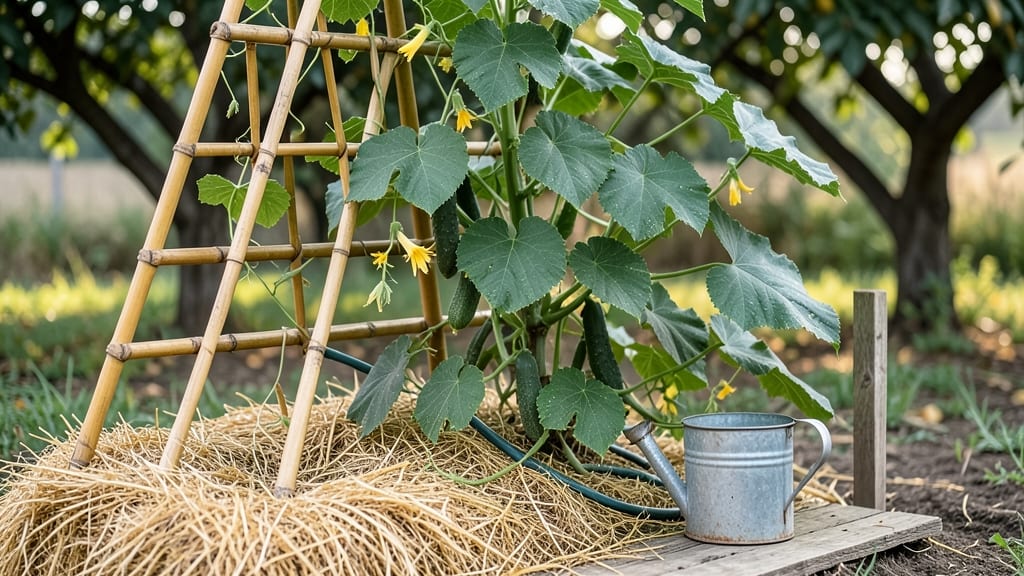
How to maintain cucumber plants that sprawl like unruly toddlers can become your garden’s best-kept secret. 🌿 The difference between bitter, seedy cucumbers and crisp, sweet ones often comes down to consistent maintenance—watering, pruning, and pest checks that take just 10 minutes a week. I’ve grown cucumbers for seven summers now, and these are the exact habits that turn chaotic vines into productive powerhouses.
Start with the basics: deep watering twice weekly (1-2 inches total) to prevent bitter fruit, and mulch heavily to keep roots cool. Prune aggressively—snip off suckers (those little side shoots) to focus energy on fruit production, and train vines onto a trellis to save space and improve airflow.
The key is consistency over perfection; even my black-thumb neighbors get great results with these simple steps.
Watch for pests like cucumber beetles (they skeletonize leaves) and spider mites (tiny webs on undersides). A neem oil spray once a week keeps them at bay without chemicals.
Harvest regularly—pick cucumbers when 6-8 inches long—to encourage more production. Ignore this, and you’ll end up with overgrown, seedy monsters that no one wants.
Seasonal tweaks matter: in hot climates, shade cloth prevents bolting, while cool springs need black plastic mulch to warm the soil. The payoff? Vines that produce all summer long with minimal fuss. Once you master these habits, you’ll wonder why you ever struggled with cucumbers.
📚 In This Guide
- What you need
- Instructions
- Tips and common mistakes
- Wrapping up and next steps
What you need
- ● Cucumber seeds or seedlings: Choose disease-resistant varieties like 'Straight Eight,' 'Marketmore,' or 'Lemon Cucumber.' Start with 3–5 seeds per plant (or 1–2 seedlings) for a healthy yield.
- ● Well-draining potting mix or garden soil: Aim for a rich, loamy soil with a pH of 6.0–6.8. Add compost or aged manure (1–2 cups per planting hole) for extra nutrients.
- ● Containers or garden space: For containers: Use pots at least 12–18 inches deep with drainage holes. Opt for 5-gallon buckets or fabric grow bags for bush varieties.
- ● For garden beds: Space plants 12–24 inches apart (closer for bush types, farther for vining varieties).
- ● Support structures: For vining cucumbers: Install trellises, cages, or stakes (at least 4–6 feet tall) to encourage upward growth and reduce disease risk.
- ● For bush varieties: Use small cages or low supports (2–3 feet tall).
- ○ Watering can or hose with a gentle nozzle: Cucumbers need 1–2 inches of water per week (more in hot climates). A drip irrigation system is optional but ideal for consistency.
- ● Mulch (straw, grass clippings, or shredded leaves): Apply a 2–3 inch layer to retain moisture and suppress weeds.
- ● Pruning shears or scissors: For trimming yellow leaves or excess vines.
- ● Gloves: Protect your hands from thorns (especially on vining varieties).
- ● Fertilizer (balanced 10-10-10 or compost tea): Apply every 3–4 weeks during the growing season.
- ● Row covers or shade cloth: Use lightweight fabric to protect young plants from pests or harsh sun.
- ● Hand trowel or transplanting tool: For gentle soil work without disturbing roots.
Step-by-Step guide to maintaining healthy cucumber plants
Cucumbers thrive with consistent care—here’s how to keep your vines productive all season.
🌿 Step 1: Water Deeply and Consistently
Cucumbers need 1-2 inches of water per week, delivered at the soil level—not the leaves. I water in the morning so foliage dries quickly, preventing fungal diseases like powdery mildew. Let the top 2 inches of soil dry between waterings; wilting leaves mean you’ve waited too long. Mulch with straw to retain moisture and suppress weeds, which compete for water.
Here’s the thing—cucumbers hate inconsistent moisture. If the soil fluctuates between soggy and bone-dry, vines produce bitter fruit. Use a moisture meter if your thumb can’t judge soil dryness accurately. Drip irrigation works best, keeping water off leaves and reducing disease risk.
☀️ Step 2: Provide Support and Prune for Airflow
Train vines up a trellis or cage as soon as they reach 6 inches tall—this prevents sprawl, improves fruit quality, and reduces soil-borne diseases. I use 5-foot tall tomato cages for bushier varieties and 10-foot trellises for long vining types. Prune suckers (side shoots) that form in the leaf axils to direct energy to fruit production, not extra foliage.
Watch for overcrowding—if leaves brush against each other, you’re growing too densely. Thin plants to 12-18 inches apart at the base. This ensures airflow, which is critical for preventing powdery mildew. Remove any yellow or diseased leaves immediately with clean pruners to stop pathogen spread.
💧 Step 3: Feed and Fertilize for Continuous Growth
Cucumbers are heavy feeders, so I side-dress with balanced 10-10-10 fertilizer when vines start flowering. Work it into the soil 2-3 inches deep, keeping it 6 inches away from the stem to avoid root burn. Organic gardeners can use compost tea or fish emulsion every 2-3 weeks for a gentle nutrient boost.
Real talk: Over-fertilizing with nitrogen leads to lush leaves but no fruit. If your plants are all foliage and no cucumbers, cut back on nitrogen-heavy feeds. Instead, switch to a low-nitrogen, high-phosphorus fertilizer to encourage flowering. Watch for dark green leaves with sparse fruit—your cue to adjust the feed ratio.
✂️ Step 4: Monitor for Pests and Diseases Early
Check the undersides of leaves daily for aphids, cucumber beetles, or spider mites—they’re sneaky and multiply fast. I spray plants with neem oil at dusk as a preventative, repeating every 7-10 days. For severe infestations, handpick beetles into soapy water. Rotate organic sprays like pyrethrin if needed, but always follow label instructions.
Powdery mildew appears as white, dusty patches on leaves. The moment you spot it, remove infected leaves and spray with a baking soda solution (1 tsp baking soda + 1 quart water + a drop of dish soap). Space plants properly and avoid overhead watering to prevent recurrence. Prevention is easier than cure—this is the moment that matters.
🌱 Step 5: Harvest Regularly to Encourage Production
Pick cucumbers when they’re 6-8 inches long for the best flavor and to stimulate more fruit. Use pruning shears or a sharp knife to avoid damaging the vine. I harvest every 2-3 days during peak production—neglecting harvests leads to bitter, overgrown cucumbers. Store them in the fridge for up to 5 days to keep them crisp.
Don’t skip this (I learned the hard way). Overripe cucumbers drain energy from the plant, slowing down new growth. If vines stop producing, check for yellowing leaves (nutrient deficiency) or drooping (underwatering). A quick harvest and adjustment keeps your cucumbers coming all season long.
Tips & tricks for perfect cucumber plant care
Keeping cucumber vines productive requires a few strategic moves—here's how to avoid common pitfalls and maximize your harvest.
Moisture Consistency is Everything: The 1-2 inches of water per week guideline is non-negotiable, but timing matters just as much. I've found that morning watering (before 10am) is critical—it gives foliage time to dry completely, preventing fungal spores from taking hold. If you must water in the evening, make sure plants have at least 4-6 hours of sunlight to dry off completely. For container growers, check soil moisture daily during hot spells—containers dry out much faster than in-ground beds.
Support Systems Save the Day: When you see those vines reaching 6 inches tall in Step 2, don't delay installing support! I've seen cucumbers break their own stems when left unsupported—it's heartbreaking. For bush varieties, those 5-foot tomato cages work perfectly, but for sprawling types, invest in sturdy 10-foot trellises. The key is securing the main stem early and gently weaving vines through the support as they grow. This isn't just about aesthetics; supported plants produce straighter, cleaner cucumbers with fewer soil-borne diseases.
Fertilizer Finesse Prevents Waste: That balanced 10-10-10 fertilizer recommendation in Step 3 is your baseline, but here's the pro move: mix in 1 cup of bone meal when planting to boost phosphorus for root development. Then, when you see those first flowers appear, switch to a 5-10-10 ratio to encourage fruiting. The secret sauce? Side-dress with compost every 4-6 weeks instead of relying solely on chemical fertilizers. Your plants will thank you with more consistent production and better flavor—this is where homegrown truly shines over store-bought.
Pro Tips for Maintain Cucumber Plants
- Keeping cucumber vines productive requires a few strategic moves—here's how to avoid common pitfalls and maximize your harvest.
- Moisture Consistency is Everything: The 1-2 inches of water per week guideline is non-negotiable, but timing matters just as much.
- Support Systems Save the Day: When you see those vines reaching 6 inches tall in Step 2, don't delay installing support!
Frequently asked questions
How often should I water cucumber plants?
Cucumbers love consistent moisture—aim for 1–2 inches of water per week, especially during fruiting. Water deeply at the base (not the leaves!) to prevent disease. Pro tip: Mulch around plants to retain moisture and keep roots cool.
When is the best time to harvest cucumbers?
Harvest when cucumbers are firm, 6–8 inches long, and bright green (or your preferred variety color). Pick regularly to encourage more production—overripe cucumbers taste bitter and attract pests. Morning harvests work best when fruit is crispest!
What do I do if my cucumber leaves turn yellow?
Yellowing leaves often signal overwatering, nutrient deficiency, or pests (like aphids or powdery mildew). Check soil moisture, improve drainage, and inspect undersides of leaves. Fix it fast: Prune affected leaves, apply neem oil, or add compost for a nutrient boost.
Can I grow cucumbers in containers?
Use a large container (at least 5 gallons) with drainage holes and fill it with well-draining soil. Choose compact varieties like ‘Bush Champion’ or ‘Spacemaster.’ Train vines with a trellis to save space and improve airflow.
What can I plant near cucumbers to keep pests away?
Companion plants like marigolds, nasturtiums, or radishes deter pests naturally. Basil also boosts flavor and repels insects! Avoid planting near potatoes or aromatic herbs (like sage), which can stunt growth.
Still stumped? Drop your question in the comments—we’ve got you covered!
Wrapping up and next steps
Growing thriving cucumber plants is all about consistency, patience, and a little love—but as you’ve seen, it doesn’t have to be complicated! 🌱 With the right soil, spacing, watering routine, and a few smart tricks (like trellising or companion planting), your vines will flourish and reward you with crisp, homegrown cucumbers in no time.
Now that you’re armed with these pro tips, why not take the next step? Try experimenting with a new variety, like a bush cucumber or a heirloom pickling cucumber, or even share your harvest with neighbors. Happy gardening—your future salads (and taste buds) will thank you! 🥒✨