
How To
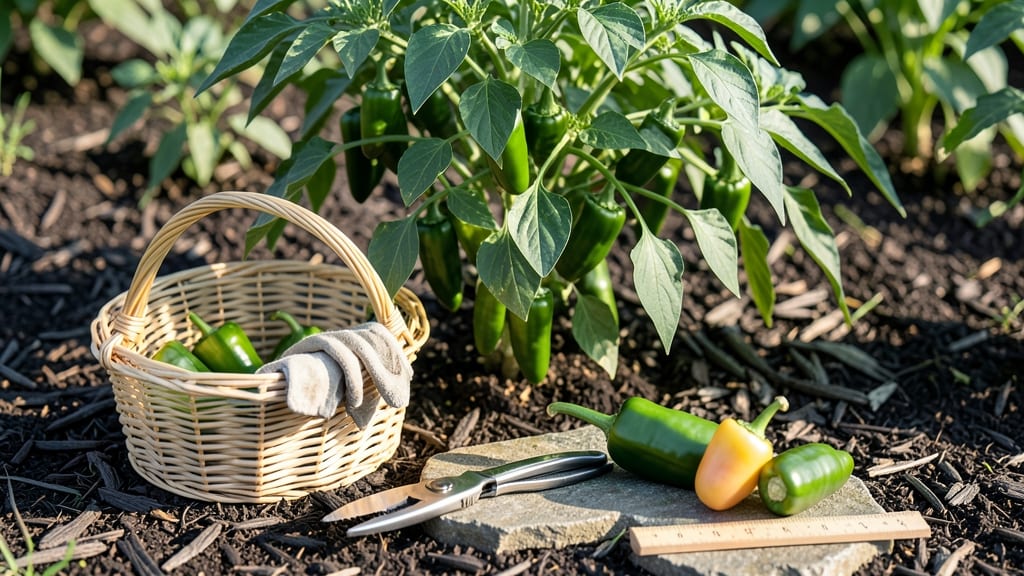
How to know when to pick a jalapeño can make the difference between a mild, flavorful pepper and one that’s too hot, too bland, or even past its prime. If you’ve ever plucked a pepper only to find it underripe or overripe, you’re not alone—timing is everything, and missing the window means wasted effort and lost flavor.
The key lies in three simple clues: color, size, and texture. A jalapeño ready for harvest will show a deep, rich hue—often dark green or even red—along with a firm but slightly yielding feel when gently squeezed.
Ignoring these signs can leave you with peppers that lack heat or develop a mealy texture, so let’s break down exactly what to look for.
Harvesting at the right time also keeps your plant producing more peppers throughout the season. For gardeners in Zone 6a, peak picking runs from July to October, but even a few days off can change the game.
Whether you’re growing for heat or sweetness, these tips will help you nail the perfect moment every time.
Ready to turn your jalapeños into culinary stars? I’ll walk you through the exact steps—from spotting the ideal color shifts to testing firmness—so you never miss another harvest window. Let’s get started.


3 Critical color changes that signal a jalapeño is ready to harvest
Jalapeños are one of the most rewarding peppers to grow, but timing your harvest is everything. The color of your jalapeño tells you exactly when it’s ripe—and when it’s past its prime.
Unlike bell peppers, which turn fully red when mature, jalapeños follow a distinct color progression that directly impacts their flavor and heat level. Ignoring these clues can mean sacrificing that perfect balance of spice and tang.
Most gardeners focus only on the green stage, but jalapeños can ripen to yellow, red, or even brown, each with unique characteristics. For example, green jalapeños are milder and crispier, while red ones pack double the capsaicin—the compound responsible for heat.
Understanding these color shifts ensures you pick peppers at their peak, whether you’re craving a tangy kick or a sweeter profile.
Here’s a breakdown of what each color means for your jalapeño’s readiness, including how to spot the subtle differences that separate "almost ready" from "perfectly ripe."
| Stage | Color Clues | Flavor & Heat | Best For |
|---|---|---|---|
| Immature Green | Pale green, glossy, small (<2 inches) | Mild, grassy, almost sweet | Pickling, salsas (if you prefer mild heat) |
| Mature Green | Deep dark green, 3–4 inches, firm | Classic jalapeño heat (2,500–5,000 SHU) | Fresh eating, grilling, stuffed peppers |
| Yellow/Orange | Fades to golden yellow or orange, slightly softer | Sweeter, slightly fruity, heat drops slightly | Roasting, sauces, or when you want less spice |
| Red | Bright red, glossy, stem may brown | Most heat (up to 8,000 SHU), tangy, slightly sweet | Hot sauces, drying, or when you want maximum spice |
| Overripe (Brown) | Dull brownish, wrinkled, soft | Bitter, heat fades, mushy texture | Avoid—use for compost or hot sauce (if desperate) |
Pro tip: Pay close attention to the stem end. When it turns from green to brown or yellow, that’s your cue—the pepper is ready to harvest.
This change often happens 1–2 days before the rest of the pepper shifts color, so check your plants daily in peak season (July–September in most climates).
If you’re growing multiple varieties, like the classic Striped Jalapeño or Red Jalapeño, note that color progression varies slightly. For example, striped jalapeños may develop white streaks before turning red, while traditional green jalapeños stay dark green until fully mature.
Always harvest when the pepper’s color is consistent and the stem is dry to the touch.
One common mistake? Waiting for peppers to turn red if you prefer the classic green jalapeño flavor. Green jalapeños are harvested at peak heat and won’t ripen further off the vine. If you miss the window, the pepper may lose heat and develop a bitter taste.
To avoid this, pick green jalapeños when they’re 3–4 inches long and deep green, even if they haven’t reached their final color.
For those who love experimenting, try harvesting a few peppers at each stage to compare flavors. You’ll quickly learn which color you prefer—whether it’s the bold heat of a red jalapeño or the bright tang of a mature green one.
Just remember: color is your best friend when it comes to jalapeño timing.
🌶️
Texture and size clues: how firmness and shape determine perfect ripeness
A jalapeño’s readiness to harvest isn’t just about color—texture and size are equally important. When peppers are too small or too firm, they lack flavor and heat potential. But how do you know when they’re just right?
Start by checking their size and firmness—these clues tell you whether your pepper is ready for picking or still needs time on the plant.
An ideal jalapeño should measure 3–4 inches long and feel firm but slightly yielding when gently squeezed. Think of it like a ripe tomato—it should resist pressure but not feel rock-hard. If it’s smaller than 2 inches, it’s likely still maturing and needs more time.
Overripe peppers, on the other hand, become soft or wrinkled, signaling they’ve passed their prime for best flavor and heat.
🚨 CRITICAL WARNING: Overripe jalapeños lose capsaicin, the compound responsible for their spiciness. If you wait too long, you’ll end up with peppers that are mild and mushy—a gardener’s nightmare! Pay attention to these texture red flags:
- Soft or squishy when pressed
- Wrinkled or shriveled skin
- Stem detaches easily (sign of decay)
The shape of a jalapeño also gives clues. A perfectly ripe pepper should have a smooth, glossy surface with a slight curve—not too straight or too twisted.
If the pepper feels lumpy or bumpy, it might be struggling with pests or disease, which can affect both taste and quality. Always inspect the stem end too: a brown or yellowing stem is a clear sign the pepper is ready to harvest.
Pro tip: Use your thumb and forefinger to gently pinch the pepper. If it gives just a little (like a ripe avocado), it’s perfect. If it feels hard as a rock, it’s not ready yet.
This simple test saves you from picking peppers too early or too late—both mistakes can ruin your harvest!
For continuous harvests, pick jalapeños every 2–3 days during peak season (July–October). This encourages the plant to produce more peppers and keeps your supply fresh. Just remember: size, firmness, and stem color are your best friends when it comes to knowing when to pick a jalapeño.
🌱 Now that you’ve mastered texture and size, your next step is learning how to balance heat and flavor—because not all jalapeños are created equal! Stay tuned for expert tips on picking for maximum spice or sweetness.