
How To
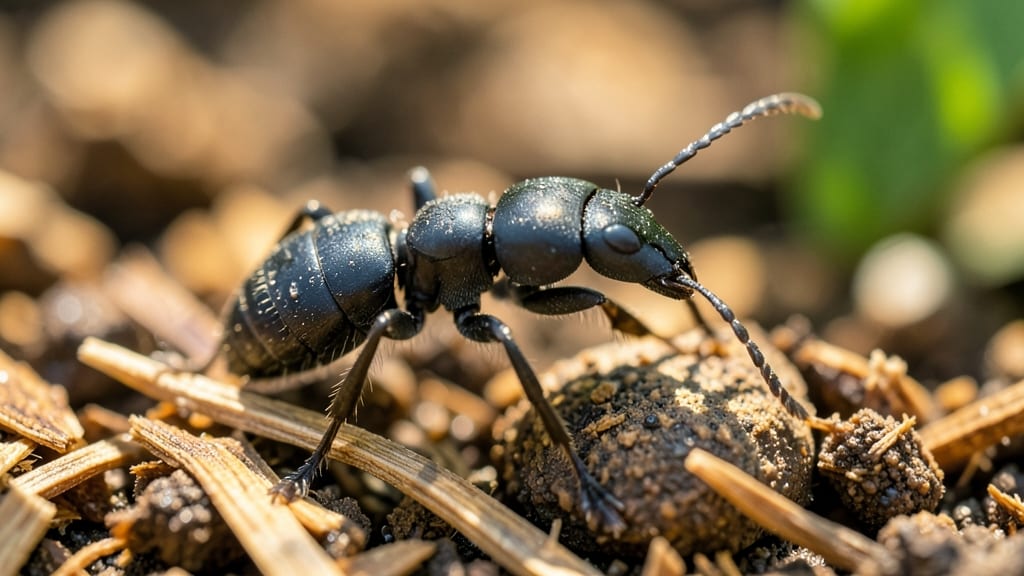
How to get rid of ants in mulch—those relentless marchers turning your garden beds into their own five-star hotel. 🐜 I’ve watched them turn my garden beds into superhighways, and the boiling water barrier method stopped them in their tracks—fast and without chemicals. No more lost mulch to their tunnels or stolen seeds. The secret? Targeted heat that smothers colonies without harming plants. You’ll need a kettle, some mulch, and 10 minutes of focused effort. Pour boiling water along active trails and mound fresh mulch to seal the deal. Within 24 hours, you’ll see fewer scouts—and no more highways. What you’re left with is a clean mulch layer that actually stays where it belongs. The ants avoid the area for weeks, and your plants get the protection they need. No more digging up mulch to find hidden nests or watching them carry away your soil. Works for any garden bed, patio pots, or even around tree bases. Here’s how to do it right the first time—no more ant invasions!
The hidden invitation inside mulch
Ants don’t just wander into your mulch by accident—they’re following a trail of invisible cues that turn your garden into their all-you-can-carry buffet. Understanding why they’re drawn to mulch is the first step in outsmarting them.
Let’s break down the science behind their attraction and how your landscape might be unknowingly rolling out the welcome mat.
Mulch isn’t just decorative—it’s a nutritional goldmine for ants. Most organic mulches (like wood chips, straw, or shredded leaves) contain cellulose and lignin, compounds ants can break down with their saliva. When these materials decompose, they release sugars, starches, and even proteins that ants can’t resist.
Plus, if your mulch is near plants, fallen fruits, or spilled drinks, you’ve got a scented highway leading straight to their colonies.
🔍 Why it matters: Ants leave pheromone trails to mark food sources. Once they find a tasty spot in your mulch, they recruit hundreds of workers—fast.
Mulch holds moisture like a sponge, creating a humid microclimate that ants adore. Most ant species thrive in environments with 50-70% humidity, and mulch often exceeds that—especially if it’s thick or sits in shaded areas.
The dampness also helps fungus and bacteria grow, which some ants (like Odorous House Ants) farm as a food source.
💧 Why it matters: Dry mulch repels ants, but wet or rotting mulch is an open invitation. Even a small puddle or condensation can turn your mulch into a five-star ant resort.
Ants are master builders, and mulch provides the perfect insulation, protection, and nesting material. Loose wood chips create tunnels, while compacted mulch offers a stable foundation for underground colonies.
Some species, like Fire Ants, even use mulch to construct their mounds above ground, blending seamlessly into the landscape.
🏗️ Why it matters: If you’ve ever spotted tiny mud tunnels or sawdust-like piles in your mulch, congratulations—you’ve got a hidden ant city right under your feet.
Mulch isn’t the only culprit—it’s often a delivery system for ant bait. Decaying plant matter (like fallen leaves, twigs, or even compost) releases volatile organic compounds (VOCs) that ants detect from yards away.
Worse, some plants (like citrus trees or berries) drop sugary fruits that ants haul back to their colonies like a grocery run.
🍓 Why it matters: A single overripe strawberry in your mulch can trigger a chain reaction of ant recruitment. They don’t just eat the fruit—they protect it from competitors.
Sometimes, we’re the reason ants move in. Overwatering mulch creates soggy conditions, while fertilizer runoff adds extra nutrients that ants exploit. Even pet food or spilled soda in the mulch can turn your garden into a 24/7 ant diner.
And let’s not forget firewood or lumber stored near mulch—it’s a pre-built ant highway.
🚫 Why it matters: Ants are opportunistic. If your mulch is too easy to exploit, they’ll take over—fast.
Now that you know why ants are crashing your mulch party, the next step is how to evict them—without harming your plants or the ecosystem. Stay tuned for science-backed solutions that smother colonies for good.
Quick Fixes for Mulch Ants
Ants in mulch can feel like an unwinnable battle, but with the right strategies, you can reclaim your garden—fast. The key is targeting the root cause (literally!) while disrupting their trails and colonies.
Below, we’ve mapped out practical, no-fuss solutions based on why ants are invading your mulch in the first place. Each fix is designed to be easy to implement, whether you’re dealing with a minor nuisance or a full-blown ant highway.
---
Mulch creates the perfect damp, shaded environment ants adore. Dry it out or alter their water sources to send them packing.
#### 💦 Fix: Reduce Mulch Moisture - Spread a thin layer of fresh mulch (1–2 inches) to allow airflow and evaporation.
Avoid piling it too thickly—ants thrive in soggy conditions. - Use coarse mulch (like pine bark or wood chips) instead of fine shreds, which retain moisture longer. - Add a layer of gravel or sand under the mulch to improve drainage and deter ants from tunneling upward.
#### 🌡️ Fix: Disrupt Water Sources - Water plants at the base (not overhead) to avoid creating puddles in the mulch. - Fix leaks or standing water near your garden beds—ants follow moisture like a map. - Place a shallow dish of water with a few drops of dish soap near ant trails.
The soap breaks the surface tension, making it harder for ants to drink and slowing their foraging.
#### ✨ Pro Tip: If your mulch stays damp year-round, consider switching to a drier mulch type, like straw or cedar chips, which ants dislike.
---
Ants are scavengers, and your mulch might be a buffet. Block their access to food and confuse their scent trails.
#### 🛡️ Fix: Create a Boiling Water Barrier (The Fastest Method!) This is the most effective way to smother colonies and cut off trails instantly. 1. Identify the main trail—look for tiny lines of ants marching in and out of the mulch.
2. Boil 1–2 cups of water in a small pot or kettle. 3. Pour the boiling water directly onto the trail and entry points (where ants disappear into the mulch). The heat kills ants on contact and sears their scent glands, disrupting their communication.
4. Repeat every few days until the trail disappears. For stubborn colonies, boil water along the edge of the mulch bed to create a protective barrier.
#### 🍽️ Fix: Remove Food Sources - Pick up fallen fruit, pet food, or spilled seeds from the mulch immediately. - Store compost bins away from garden beds—ants will raid them for nutrients. - Avoid over-fertilizing—excess organic matter attracts ants. Use slow-release granules instead of quick-acting options.
#### 🌿 Fix: Use Natural Repellents Ants hate certain scents. Sprinkle these around the mulch perimeter (but avoid plants you’re growing): - Diatomaceous earth (food-grade) – A fine powder that dehydrates ants.
Sprinkle lightly along trails and entry points. - Coffee grounds – Scatter used grounds near ant hotspots (ants avoid the smell). - Cucumber or citrus peels – Rub them along the mulch edges; the scent confuses ants.
#### 💡 Pro Tip: Combine boiling water with diatomaceous earth for double the impact. Pour boiling water first to kill ants, then dust with DE to prevent regrowth.
---
If you’ve ruled out moisture and food, the ants are likely established underground. You’ll need to flush them out or starve out the colony.
#### 🏗️ Fix: The Baking Soda & Sugar Bait Trap Ants will carry this lethal bait back to the nest, eliminating the colony from within. 1. Mix 1 part baking soda with 3 parts powdered sugar (or honey).
2. Place small piles of the mixture near ant trails or where they enter the mulch. 3. Wait 24–48 hours—ants will feed on it and share it with the queen, collapsing the colony.
#### 🚫 Fix: Block Entry Points - Apply a sticky barrier (like petroleum jelly or Vaseline) to the base of plants or along mulch edges.
Ants can’t cross it. - Install a physical barrier—dig a shallow trench (1–2 inches deep) around garden beds and fill it with boiling water or rock salt to deter ants from crossing.
#### 🌡️ Fix: Solarize the Mulch (For Stubborn Colonies) If the nest is deep, heat can flush them out: 1. Cover the mulch with clear plastic sheeting (secure with rocks or bricks).
2. Leave it for 3–5 days in sunny weather. The trapped heat will drive ants to the surface. 3. Pour boiling water or spray with soapy water to kill the displaced ants.
#### ✨ Pro Tip: For large colonies, repeat the baking soda bait every few days until you see no new ants for a week. Patience is key!
---
Prevention is your best defense. Break their cycle with these long-term strategies.
#### 🌱 Fix: Choose Ant-Resistant Mulches Not all mulches attract ants equally. Opt for these options: - Cedar chips – Naturally repels ants with its scent. - Gravel or river rocks – Ants avoid walking on sharp, dry surfaces. - Straw or hay – Less appealing than wood-based mulches.
#### 🌿 Fix: Maintain a Clean Garden - Rake mulch regularly to prevent it from becoming a damp, hidden ecosystem. - Keep lawns mowed—ants use tall grass as highways. - Inspect potted plants—ants often hitch a ride on nursery pots.
#### 🎯 Fix: Introduce Ant Predators Encourage natural enemies of ants to move in: - Birds (like chickadees and robins) love snacking on ants. - Lizards and frogs will hunt them in warm climates. - Beneficial nematodes (microscopic worms) can be applied to soil to kill ant larvae.
#### 💡 Pro Tip: Plant ant-repelling herbs like mint, lavender, or catnip around your garden beds. The strong scents deter ants naturally.
--- Final Note: The boiling water barrier is your fastest weapon, but combining it with bait traps and moisture control ensures ants don’t stage a comeback. Stay consistent, and your mulch will stay ant-free!
Frequently asked questions
Will boiling water harm my plants when used as a barrier?
Not if you're careful! Pour boiling water only along ant trails and mulch edges, avoiding direct contact with plant stems or leaves. The heat targets ants in the mulch without damaging roots or foliage. For extra safety, use cooled boiled water (let it sit for 10 minutes) if you're near delicate plants.
How long does it take to see results with natural repellents?
Results vary, but you should notice a difference within 24-48 hours if using diatomaceous earth or citrus peels. For baking soda bait, expect 3-5 days as it takes time for worker ants to carry the bait back to the colony. Consistency is key—reapply every few days until trails disappear completely.
Can I use vinegar to kill ants in mulch?
Yes, but it's less effective than boiling water or baits. Mix 1 part white vinegar with 1 part water and spray directly on ant trails. The strong smell disrupts their scent trails, but it won't kill the colony. For best results, combine with other methods like diatomaceous earth or boiling water for faster elimination.
What's the best mulch type to prevent ants from returning?
Cedar chips are your best bet—they naturally repel ants with their scent. Other good options include gravel or river rocks (ants avoid walking on them) and straw or hay (less appealing than wood-based mulches). Avoid fine wood shavings that retain moisture and attract ants.
Why do ants keep coming back after I've treated the mulch?
This usually means you haven't eliminated the colony or there's still food nearby. Check for hidden nests (look for tiny mounds or disturbed mulch) and consider using baking soda bait to target the queen. Also verify no fallen fruit, pet food, or compost is attracting new ants—clean up these sources immediately.