
How To
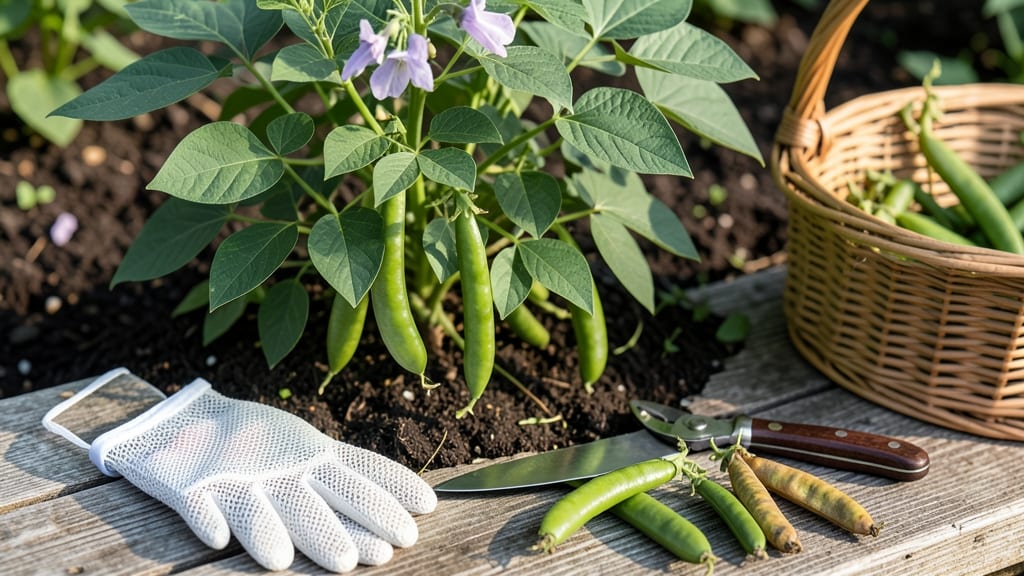
How to know when bush beans 🌱 are ready to harvest can make the difference between tender, flavorful pods and tough, stringy ones that ruin a meal. Most gardeners miss the subtle cues that signal peak ripeness, leading to missed harvests or wasted effort.
If you've ever picked beans only to discover they're still too young or already overripe, you're not alone. The key lies in understanding three visual and tactile indicators that reveal when your plants are begging to be harvested. I'll show you exactly what to look for—no guesswork required.
From checking pod size and color to testing firmness with a simple finger press, these methods will help you time your harvests perfectly. Regular picking doesn't just improve flavor—it also encourages your plants to produce more beans all season long.
Let's dive into the easy-to-spot signs that your bush beans are at their prime, so you can enjoy a steady supply of fresh, delicious harvests from June through August.


3 Visual cues to identify perfectly ripe bush beans (with photos)
Mastering the art of harvesting bush beans starts with recognizing the three key visual cues that signal peak ripeness. These subtle but critical signs—pod size, color, and firmness—ensure you pick beans at their most tender stage.
Overlooking these cues often leads to woody, stringy pods that ruin the flavor and texture you worked so hard to cultivate.
Most gardeners focus on pod length alone, but the real secret lies in combining all three indicators. For example, a 5-inch pod might still be underripe if it feels soft or lacks the right color. Let’s break down each clue so you can confidently identify the perfect moment to harvest.
Visual Cue #1: Pod Length (4-6 inches) is the first checkpoint. Bush beans are ready when pods reach 4 to 6 inches long, depending on the variety. Green beans like 'Blue Lake' should be around 5 inches, while wax beans like 'Golden Wax' may be slightly shorter. Measure a few pods to confirm consistency across your plants.
Visual Cue #2: Color Shift to Mature Green is often overlooked but crucial. Immature pods appear light green or pale, while perfectly ripe beans develop a deep, vibrant green hue. Some varieties, like purple or black beans, will show their mature color (e.g., deep purple or glossy black). Wait until the color is uniform and bright before harvesting.
Visual Cue #3: Firmness and Slight Flexibility separates perfect beans from overripe ones. Gently press a pod between your thumb and forefinger—it should feel firm but slightly yielding, like a ripe cucumber. If it feels hard or woody, it’s past its prime. Conversely, if it’s too soft or mushy, it’s still immature.
| Stage | Pod Length | Color | Firmness | Seed Visibility | Action |
|---|---|---|---|---|---|
| Underripe | Under 3 inches | Pale green | Soft, flexible | Seeds barely visible | Wait 3-5 days |
| Perfectly Ripe | 4-6 inches | Vibrant green (or variety-specific) | Firm, slightly flexible | Seeds visible but small | Harvest immediately |
| Overripe | 6+ inches | Dull or yellowing | Hard, woody | Seeds bulging or dry | Discard or compost |
Pro tip: Check pods daily during peak harvest season (typically 50-60 days after planting). Bush beans produce continuously, so staying ahead of ripeness encourages more pods to form. If you miss the window, overripe beans will stop producing and focus energy on seed development.
For wax beans or heirloom varieties, color can vary dramatically. For example, 'Dragon Tongue' beans stay green but develop a waxy coating at maturity. Always combine visual cues with the finger-press test (we’ll cover this in the next section) to avoid mistakes.
One common mistake is harvesting based on plant age alone. Just because your bush beans are 60 days old doesn’t mean every pod is ready. Environmental factors like temperature and sunlight can delay ripening. Always prioritize the pod’s physical traits over calendar dates.
Finally, pay attention to the pod’s curvature. Ripe bush beans often develop a slight S-shape, indicating optimal seed development. Straight or overly curved pods may signal immaturity or stress. This subtle clue helps distinguish between ready-to-eat beans and those needing more time.
🌱
3 Visual cues to identify perfectly ripe bush beans (with photos)
When I first started growing bush beans, I kept harvesting too late—ending up with tough, fibrous pods instead of the crisp, tender beans I craved. The difference comes down to three key visual cues: pod size, color, and firmness.
Mastering these will transform your harvest from disappointing to delicious. Start by examining the pod length, which should be between 4-6 inches for most varieties.
Next, check the pod color. Perfectly ripe bush beans typically display a bright, uniform green (for green beans) or creamy yellow (for wax beans). Avoid pods with dull or yellowing patches, as these signal overripeness.
Even the slightest color shift can mean a tougher texture and less flavor. For example, my Blue Lake bush beans turn a vibrant green when ready, while Golden Wax beans develop a soft yellow hue.
| Stage | Pod Size | Color | Firmness | Seed Visibility | Action |
|---|---|---|---|---|---|
| Early | Under 3" | Pale green | Hard | Not visible | Wait |
| Perfect | 4-6" | Bright green/yellow | Tender | Visible but small | Harvest |
| Overripe | 6"+ | Dull/yellowing | Woody | Large/seeds bulging | Discard |
Don’t rely solely on color—always test pod firmness by gently squeezing. A ripe bush bean should feel tender but not mushy, with a slight give when pressed. If the pod feels hard or woody, it’s underripe.
Meanwhile, pods that feel soft or spongy are overripe. Pro tip: Hold the pod between your thumb and forefinger and give it a light bend. If it snaps cleanly, it’s ready to pick!
Finally, peek inside the pod to check seed development. At peak ripeness, seeds should be visible but not fully formed—think tiny, pale green beans inside. If seeds are large and dark, the pod has passed its prime.
I learned this lesson the hard way when I missed a harvest window and ended up with beans so tough they were nearly inedible. Now, I check seeds every 2-3 days during peak production.
One common mistake I see is harvesting based on plant age alone. Just because your bush beans are 55 days old doesn’t mean every pod is ready. Instead, focus on individual pods—some may mature faster than others.
For example, in my Kentucky Wonder plants, the lower pods often ripen first, while upper pods lag behind by a week.
To maximize your harvest, make it a habit to check your plants every morning during peak season. This ensures you catch beans at their sweetest stage before they toughen up. And remember: the more you pick, the more your plants will produce.
My Blue Lake bushes yielded 30% more pods when I harvested frequently compared to when I waited for "perfect" conditions.