
How To
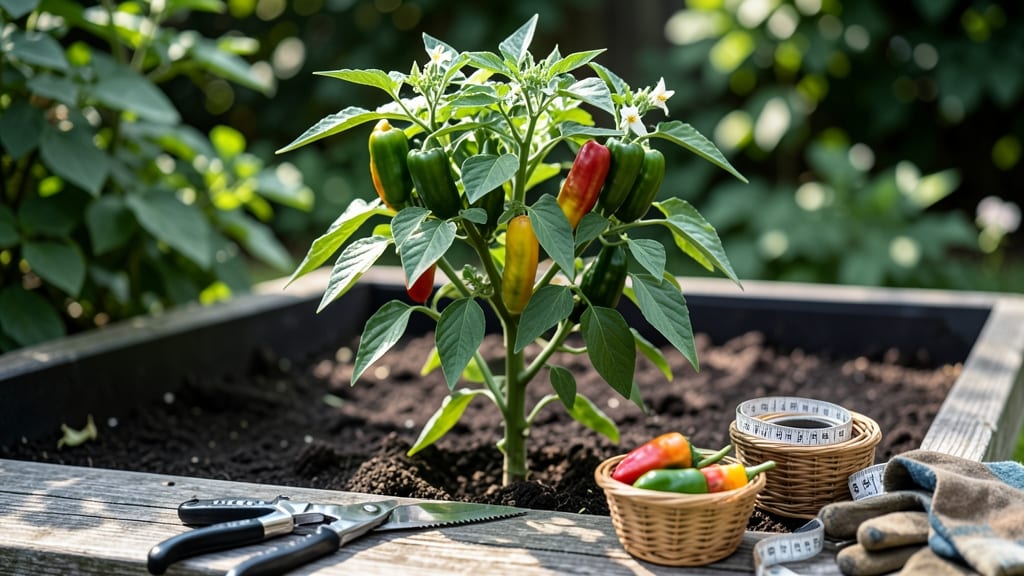
How to know when a jalapeño is ready to pick can turn a good harvest into a great one—but get it wrong, and you might end up with peppers that are either too mild or bitter. That crisp snap when you bend the stem isn’t just satisfying; it’s the ultimate test of ripeness.
Most gardeners focus on color, but there’s more to it than just green turning red. The size, firmness, and even the weather play a role in determining the perfect moment to harvest. If you’ve ever pulled a pepper too early (or too late), you know how frustrating it can be.
In this guide, I’ll break down the exact visual cues and hands-on tests to spot a ready-to-pick jalapeño. You’ll learn how to avoid common mistakes that ruin flavor and when to harvest for maximum heat versus fresh eating. Let’s make sure your next batch is the best yet!
Whether you’re a first-time grower or a seasoned pro, these tips will help you nail the timing every time. Your taste buds—and your dinner guests—will thank you.


Jalapeño ripeness guide: color, size, and texture signs
Jalapeños are ready to pick when they've reached their peak flavor and heat. Unlike some peppers, they don’t always ripen to red—many stay green but develop thicker walls and glossy skins. The key is balancing size, color, and texture to avoid underripe or overripe peppers.
Start by checking the pepper’s size. Ideal jalapeños measure between 3 to 5 inches. Smaller peppers (under 2 inches) are usually underripe and milder, while giants (over 6 inches) may become bitter or tough.
Size alone isn’t enough—you’ll also need to test for firmness and stem readiness.
Next, observe the stem and color. A ripe jalapeño’s stem should turn brown or yellowish near the base, indicating maturity. The pepper’s skin may stay green or shift to red, yellow, or purple, depending on the variety.
Avoid peppers with soft or mushy spots, as these are overripe.
Here’s a quick snapshot of ripeness cues to check before harvesting:
| Ripeness Indicator | Ready State | Not Ready State |
|---|---|---|
| Size | 3–5 inches long | Under 2 inches |
| Stem Color | Brown/yellowish | Green and soft |
| Skin Texture | Glossy, slightly firm | Dull, wrinkled |
| Snap Test | Stem snaps easily | Stem bends without breaking |
| Color Shift | Deep green, red, or purple | Pale or streaky |
The snap test is my favorite trick for jalapeño ripeness. Gently bend the stem—if it snaps cleanly, the pepper is ready. If it bends without breaking, it’s underripe and needs more time. This test works even for green jalapeños, so don’t wait for color changes if you’re impatient!
Pay attention to the pepper’s glossiness. A ripe jalapeño has a slightly waxy, shiny skin, while overripe ones look dull or wrinkled. Glossiness indicates the pepper has developed its full flavor and heat potential. If the skin feels dry or leathery, it’s past its prime.
Timing matters too. Most jalapeños take 75 to 100 days to mature from transplant, but harvest frequency encourages more production. Pick peppers every 2–3 days to keep plants focused on producing new ones. If you skip harvesting, the plant may redirect energy to seeds, reducing flavor and heat.
Finally, check the plant’s overall health. Yellowing leaves near the pepper or drooping branches can signal stress—either from underwatering or overripeness. If the plant looks thirsty or wilted, wait a day or two before harvesting to let it recover.
Pro tip: Harvest in the morning when peppers are cool and firm. This ensures the best texture and flavor. Store them in a paper bag in the fridge for up to a week, or preserve them by pickling, drying, or freezing for long-term use.
Jalapeño ripeness guide: color, size, and texture signs
When learning how to know when a jalapeño is ready to pick, start with the color. Most jalapeños begin green but ripen to red, yellow, or purple depending on the variety.
However, green jalapeños are perfectly edible and often preferred for their milder heat. The key is consistency—look for a deep, uniform color without splotches.
Size matters too. A ripe jalapeño typically measures 3 to 5 inches long. Smaller peppers (under 2 inches) are usually underripe, while oversized ones may be overripe or bitter.
Use a ruler or your fingers to gauge length—most mature jalapeños fit comfortably between your thumb and index finger when held horizontally.
Now for the snap test, my favorite trick for nailing ripeness. Gently bend the stem end of the pepper—it should snap cleanly when ready. If it bends without breaking, it’s too early. This test confirms the pepper’s cell structure has thickened, signaling peak flavor and heat.
| Ripeness Sign | What to Look For | Action |
|---|---|---|
| Color | Deep, consistent green (or red/yellow/purple for ripe varieties) | Harvest when color is vibrant |
| Size | 3–5 inches long | Avoid peppers smaller than 2 inches |
| Texture | Firm but slightly yielding when pressed | Use thumbnail test for firmness |
| Stem | Brown/yellow stem end that snaps cleanly | Twist or cut at stem base |
Don’t overlook the texture—a ripe jalapeño should feel slightly firm but yield just a bit when pressed with your thumbnail. Overripe peppers become soft or wrinkled, while underripe ones stay hard and glossy.
Pro tip: Check the shiny surface—a dull or matte finish often means the pepper is past its prime.
Finally, watch the plant’s signals. When peppers are ready, nearby leaves may yellow or die back as the plant redirects energy. This is nature’s way of telling you it’s time to harvest before the pepper’s quality declines.
Pay attention to these cues, and you’ll never miss the perfect moment again.
With these visual and tactile clues, you’ll confidently pick jalapeños at their peak—balancing heat, flavor, and texture. Happy harvesting!