
Companion Plants
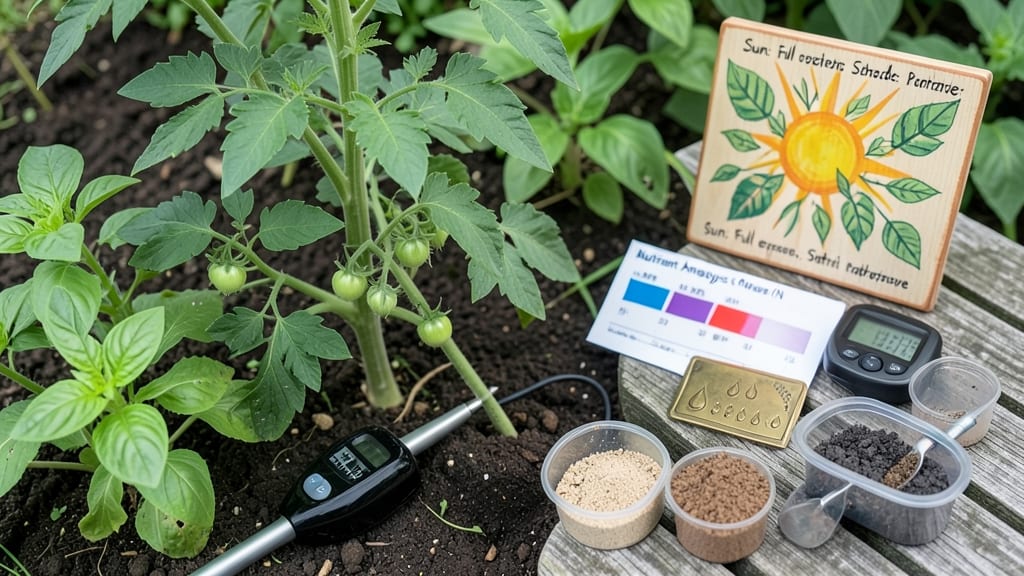
How to know what plants need is simpler than you think—they’re constantly sending you signals if you just learn to listen. 🌱 That first wilted leaf or stunted growth isn’t a mystery—it’s a message about sunlight, soil, or water. I've spent years decoding these signals, and I'm sharing the simple framework that works for every garden, from houseplants to heirloom tomatoes.
Start with the plant label (yes, it's not just decoration). Those tiny words tell you sunlight needs—full sun, partial shade, or indoor light—and water preferences like "keep soil moist" or "drought-tolerant."
Pair that with a quick soil test ($20 at garden centers) to check pH and nutrients, because even the hardiest plants struggle when their roots can't breathe or access food.
What you'll uncover is a pattern: most problems stem from three things—too much sun, too little water, or poor soil. A fern wilting in bright light? Move it. Tomatoes dropping blossoms?
They need more phosphorus. The key is observing daily: check soil moisture with your finger (top inch should feel damp), watch leaf color (yellow often means nitrogen), and adjust gradually.
This isn't guesswork—it's detective work. You'll spot the clues everywhere: crispy edges mean underwatering, leggy growth means too little light, and powdery mildew means poor airflow. Once you master these basics, your garden becomes a self-sustaining ecosystem where every plant thrives on what it truly needs.
📚 In This Guide
- What you need
- Instructions
- Tips and common mistakes
- Wrapping up and next steps
What you need
- ○ Soil Testing Kit – A basic pH meter or digital soil tester (e.g., blank">Apera AI Soil Sensor or blank">Luster Leaf Rapid Test Kit). Optional: Lab soil test (more precise but pricier).
- ● Measuring Tools – Ruler or tape measure (for depth/spacing).
- ● Garden trowel (stainless steel, 6–8 inches long).
- ● Watering Supplies – Watering can (with rose nozzle for gentle watering).
- ○ Rain gauge (optional, for tracking precipitation).
- ● Sunlight Tracker – Sunlight meter (e.g., blank">Apollo Instruments or smartphone app like blank">Sun Surveyor).
- ● Notebook or plant journal (to log sunlight hours).
- ● Plant Reference – Seed packets, plant tags, or a companion planting guide (e.g., blank">Old Farmer’s Almanac).
- ● Smartphone with blank">plant ID apps (e.g., PlantNet or Google Lens).
- ● Amendments – Compost, peat moss, or slow-release fertilizer (e.g., blank">Osmocote for soil pH adjustments).
- ● Mulch – Straw, wood chips, or cocoa mulch (to retain moisture).
- ● Garden Gloves – Nitrile-coated for durability (e.g., blank">Fiskars).
- ● Pruning Shears – Bypass pruners (for trimming without crushing stems).
- ● Camera or Phone – To document plant progress and leaf conditions.
Instructions for decoding plant needs: a hands-on guide
Here's how I break down plant care into simple checks—no guesswork, just results.
🌱 Step 1: Observe the Plant's Natural Habitat
Start by researching where your plant thrives in nature. Most seed packets or plant tags include this info—look for terms like full sun, partial shade, or moist woodland. For example, succulents need bright light and dry soil, while ferns prefer shady, damp conditions. This tells you the baseline for sun, water, and even soil type.
If you're unsure, take a photo of the plant in its natural setting and compare it to your growing space. Notice how sunlight moves across your yard or balcony throughout the day. A south-facing window gets intense afternoon light, while an east-facing spot offers gentle morning sun. Matching your plant's native conditions to your space is the first rule of thriving gardens.
💧 Step 2: Check Soil Moisture and Texture
Grab a handful of soil from the plant's pot or garden bed. Squeeze it gently—if it crumbles easily, it's too dry; if it stays clumped, it's too wet. Most plants prefer soil that holds moisture but isn't soggy. Stick your finger 1-2 inches deep—if it feels dry, it's time to water. If it's damp, wait another day.
Pay attention to drainage too. After watering, check if excess water pools at the bottom of the pot or runs off the garden soil. Plants like tomatoes and peppers need well-draining soil, while moisture-loving plants like hostas thrive in richer, slower-draining beds. If your soil drains too quickly, mix in 1-2 inches of compost to improve water retention.
☀️ Step 3: Test Light Exposure with the "Shadow Test"
Place a stick or ruler in the ground where your plant sits and mark the shadow every hour for a full day. Measure the shadow length—if it's 3 feet or less at midday, the spot gets full sun. Shadows between 3-6 feet mean partial sun, and shadows longer than 6 feet indicate shade. Adjust your plant's location based on these results.
Watch for visual cues too. Leaves turning yellow or brown toward the edges often means too much sun, while leggy, pale stems signal insufficient light. If your plant looks stretched out, move it closer to a light source. For indoor plants, rotate them a quarter turn weekly so they grow evenly toward the light.
✂️ Step 4: Monitor Growth and Adjust Care
Healthy plants grow steadily without sudden changes. Check for new leaves, buds, or flowers as signs of thriving. If growth slows or stops, reassess your care routine. Overwatering causes yellowing leaves and mushy stems, while underwatering leads to crispy edges and wilting. Adjust your watering schedule based on what you observe—most plants need water when the top inch of soil feels dry.
Take notes on what works and what doesn’t. For example, if your basil thrives with daily watering but wilts in the afternoon sun, move it to a shadier spot and water in the morning. Over time, you’ll develop a keen eye for what each plant needs. Trust your observations—they’re the best indicator of success.
Tips & tricks for plant care success
These simple tricks will help you decode what your plants truly need—and keep them thriving without the guesswork.
Visual Cues in Step 1: When researching your plant's natural habitat, pay attention to leaf shape and size as clues. Broad, waxy leaves like those on aloe suggest a plant adapted to bright, dry conditions, while thin, delicate leaves (like on ferns) indicate a preference for shade and humidity. I always cross-reference these visual clues with the plant tag's light requirements—it's like reading a plant's personality!
Soil Test Hack for Step 2: For a quick soil moisture test beyond the finger method, try the "squeeze-and-listen" trick. Grab a handful of soil and squeeze it—if it makes a faint squelching sound when you release, it's at the perfect moisture level. Too dry? It'll crumble with no sound. Too wet? It'll stay clumped and ooze water. This method works especially well for potted plants where drainage isn't always obvious.
Light Exposure Troubleshooting in Step 3: If your shadow test shows full sun but your plant develops brown leaf tips (a classic sunburn sign), try the "dappled light" solution. Move the plant to a spot where it gets direct sun for only half the day, or place it behind sheer curtains to diffuse the intensity. I've saved many sun-sensitive plants this way—especially tropical varieties that can't handle our afternoon glare.
Growth Journal Strategy for Step 4: Keep a simple growth journal using just three columns: watering dates, light exposure changes, and growth observations (like new leaves or wilting). After just two weeks, you'll spot patterns—like noticing your snake plant thrives when watered every 10 days in winter but needs weekly watering in summer. This visual record becomes your plant's care blueprint over time.
Pro Tips for Know What Plants Need
- These simple tricks will help you decode what your plants truly need—and keep them thriving without the guesswork.
- Visual Cues in Step 1: When researching your plant's natural habitat, pay attention to leaf shape and size as clues.
- Soil Test Hack for Step 2: For a quick soil moisture test beyond the finger method, try the "squeeze-and-listen" trick.
Frequently asked questions
Got questions about keeping your plants happy? You’re not alone! Here are some of the most common concerns—and straightforward answers—to help you decode what your green friends truly need.
How do I tell if my plant is getting enough (or too much) sunlight?
Watch for visual cues: Leaves turning pale or yellow? That’s a sign of too much sun. Brown, crispy edges or wilting? Too little. Most plants thrive with 4–6 hours of direct sunlight daily, but research your specific plant—some, like ferns, prefer shade. Rotate pots occasionally for even growth!
What’s the best way to water my plants without overdoing it?
Stick your finger 1 inch into the soil. If it’s dry, water deeply until it drains from the bottom. Morning watering (6–10 AM) reduces evaporation and fungal risks. Overwatering is the #1 killer—yellowing leaves or mushy stems mean you’re drowning them. Use well-draining soil and pots with drainage holes!
How often should I fertilize, and what if I forget?
Most plants need fertilizer every 4–6 weeks during growing season (spring–fall). Skip it in winter unless you’re growing tropicals. Missed a dose? Don’t panic—plants are resilient! Just resume the schedule. For organic options, try compost tea or fish emulsion. Over-fertilizing (burnt leaves, white crust on soil) means dial it back and flush the soil with water.
My plant’s leaves are curling—what’s wrong?
Curling leaves usually mean stress, but the cause varies:
- Underwatering: Dry, crispy edges + curling = thirsty plant!
- Overwatering: Yellow, mushy leaves + curling = root rot risk.
- Pests: Tiny webs or bugs? Check undersides for mites or aphids.
- Temperature shock: Drafts or sudden cold snaps can stress plants.
Can I reuse potting soil, or do I need fresh soil every time?
Reusing soil isn’t ideal—it depletes nutrients and may harbor pests/diseases. For annuals or fast-growing plants, refresh soil yearly. For perennials or houseplants, mix in 1/3 compost or organic matter to revitalize it. Sterilize old soil by baking it at 200°F for 30 minutes if repurposing.
Wrapping up and next steps
Understanding your plants’ needs—whether it’s well-draining soil, the right sunlight balance, or the perfect watering rhythm—is the key to a lush, thriving garden. 🌱 By observing, testing, and adjusting, you’re not just growing plants; you’re nurturing a living ecosystem that rewards your effort with beauty and health.
Ready to take the next step? Start small: pick one plant, apply what you’ve learned, and watch it flourish—then expand your green thumb to the whole garden!