
Pests
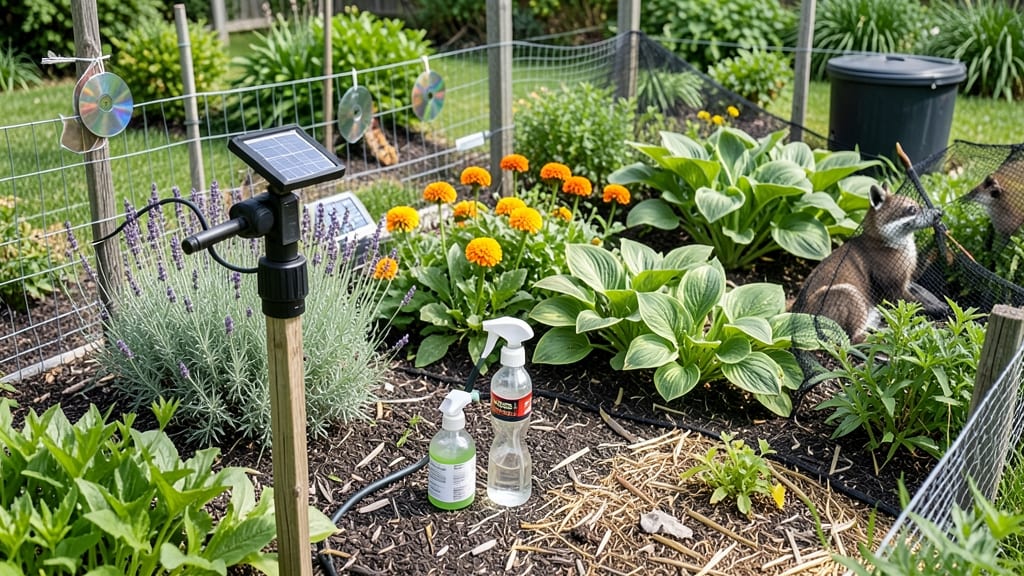
How to keep wildlife away from your garden is a challenge many gardeners face—especially when deer turn your hostas into their springtime salad bar. 🌱 The frustration of watching animals transform your hard work into a buffet is real, but there are humane, effective ways to protect your plants without harming wildlife or the environment. Physical barriers like 8-foot fencing or chicken wire work best for deer, while rabbits need buried wire to keep them out. Plant choices matter too—deer-resistant varieties like dahlias, peonies, and lavender send critters packing naturally. Even simple habitat tweaks, like removing brush piles, reduce hiding spots that invite wildlife in. You’ll see results within 2-3 weeks of consistent deterrents, with fewer chewed leaves and more blooms. The best part? These methods protect local ecosystems while keeping your garden thriving. No harsh chemicals, just smart strategies that actually work. Works for suburban yards, rural plots, and even urban balconies with creative adaptations. Let’s get your garden back—and keep the wildlife happy elsewhere.
📚 In This Guide
- What you need
- Instructions
- Tips and common mistakes
- Wrapping up and next steps
What you need
- ● Physical Barriers: Chicken wire (19-gauge, 1" x 2" mesh) – 20–50 ft rolls (depends on garden size)
- ● Hardware cloth (1/4" or 1/2" mesh) – 10–30 ft rolls (for burrowing pests like rabbits)
- ● Plastic plant guards or tree collars – 5–10 units (for young plants/saplings)
- ● Natural Repellents: Peppermint oil (100% pure) – 1–2 small bottles (1 oz each)
- ● Garlic or chili powder – 1–2 small jars (for DIY sprays)
- ○ Predator urine (coyote, fox, or bobcat) – 1–2 spray bottles (8 oz) (optional but effective)
- ● Motion-Activated Deterrents: Solar-powered motion lights – 2–4 units (for nighttime scouts)
- ● Ultrasonic repellent devices – 1–2 units (battery-operated)
- ● DIY Supplies: Spray bottles (8–16 oz) – 3–5 units (for homemade repellents)
- ● Hose with adjustable nozzle – 1 unit (for water-based deterrents)
- ● Stakes or flags – 10–20 units (to mark barriers)
- ● Compost bins with tight lids – 1–2 units (to remove food sources)
- ● Decoy plants (like marigolds or lavender) – 5–10 plants (distract pests naturally)
- ● Wind chimes or reflective tape – 1 set (for noise/sensory disruption)
- ● Pet-safe mulch (cedar or pine) – 5–10 bags (some animals dislike the scent)
Step-by-Step instructions for humane wildlife deterrents in your garden
Here's the method I've used for years to protect my gardens without harming wildlife—just smart placement and timing.
🌿 Step 1: Identify and Assess Wildlife Activity
Start by observing your garden for 3-5 days to determine which animals are causing issues. Look for signs like chewed leaves, dug-up soil, or droppings. Raccoons leave messy paw prints, while deer create clear paths through plants. I keep a small notebook by my garden gate to track patterns—this helps me choose the right deterrent later.
Note where animals enter your garden. Common entry points include fence gaps, low-hanging branches, or dense shrubbery. Mark these areas with flags or stakes so you can focus deterrents there. For example, I found squirrels were using a broken trellis to access my tomato plants, so I knew I needed to block that specific route.
🪴 Step 2: Install Physical Barriers Strategically
For burrowing animals like rabbits or voles, install chicken wire or hardware cloth around vulnerable plants, burying it 12 inches deep to prevent digging underneath. I wrap it loosely around stems—too tight and it restricts growth. For surface foragers like deer, use 8-foot tall fencing with no gaps, as they can jump surprisingly high.
Hang netting over fruits and vegetables to block birds and squirrels. Secure it tightly at the edges and weigh down corners with bricks or rocks. I use 1/2-inch mesh netting for berries and 1-inch mesh for larger produce like corn. The key is to make sure there's no slack—the animals will find a way in if there's even a small opening.
☀️ Step 3: Use Motion-Activated Deterrents
Place motion-activated sprinklers near problem areas. These devices detect movement and spray a 10-second burst of water, startling animals without harming them. I position mine near my vegetable beds where deer frequently graze. The sprinklers are most effective when placed 3-5 feet from plants—close enough to deter but not so close they damage foliage.
For nocturnal visitors like raccoons, install motion-activated lights. These create sudden flashes that disrupt feeding patterns. I use solar-powered models for easy setup and minimal maintenance. Place them at head height for the animals, typically 2-3 feet off the ground, and aim them toward entry points like compost bins or sheds.
⏰ Step 4: Implement Natural Repellents
Apply commercial or homemade repellents to vulnerable plants. Commercial options like hot pepper wax or garlic-based sprays work well for deer and rabbits. I mix mine with water and a bit of dish soap as a surfactant. Reapply every 7-10 days or after heavy rain, as the scent fades quickly. Always test sprays on a small area first to ensure they don't harm plants.
Plant natural repellent species around your garden's perimeter. Strong-scented herbs like rosemary, mint, and lavender deter many pests. I also plant alliums and daffodils, which deer avoid due to their toxic properties. These plants serve a dual purpose—they're beautiful and functional. Just be sure to research which plants repel the specific animals you're dealing with.
💧 Step 5: Maintain Consistent Deterrent Upkeep
Check your deterrents weekly to ensure they're still effective. Inspect fencing for gaps, replace damaged netting, and refill repellent sprays. I keep a small toolkit by my garden gate with extra stakes, wire, and spray bottles. Animals are persistent—they'll find weaknesses if given the chance. For example, I once had a gap in my chicken wire that let rabbits through for weeks before I caught it.
Rotate deterrent methods seasonally. What works in summer may not be as effective in winter. For instance, motion-activated sprinklers are great in warm months but may not work when ground is frozen. During colder seasons, I rely more on physical barriers and natural repellents. Keep a log of what's working and adjust as needed—your garden's ecosystem changes over time, and so should your approach.
Tips & tricks for effective wildlife deterrents in gardens
Here's what I've learned from years of trial and error—these insights will help you create a more resilient garden defense system.
Observation is Key: During your 3-5 day observation period in Step 1, pay special attention to the time of day when damage occurs. I noticed raccoons were most active at dawn and dusk, so I focused my motion-activated lights on those windows. This targeted approach saves you from overusing deterrents during inactive periods. The key is to identify patterns—animals have routines just like we do.
Barrier Installation Precision: When burying chicken wire or hardware cloth 12 inches deep in Step 2, use a shovel to create a trench first. This prevents the wire from shifting and creating gaps where burrowing animals can squeeze through. I also discovered that loosely wrapping the wire around stems preserves plant growth while still deterring pests. The trick is to create a physical barrier that's effective but doesn't strangle your plants.
Motion Deterrent Placement Strategy: For those 10-second bursts from motion-activated sprinklers in Step 3, position them at a 45-degree angle toward entry points. This creates a wider coverage area while still maintaining the 3-5 feet distance from plants. I've found that placing them near garden paths—where animals naturally travel—maximizes effectiveness. The sudden water spray startles them without causing harm, and it works particularly well for deer that have become accustomed to human presence.
Repellent Application Technique: When applying commercial repellents every 7-10 days in Step 4, focus on high-touch areas where animals make contact with plants. I discovered that spraying the undersides of leaves—where deer and rabbits often browse—provides better protection than just surface application. For homemade sprays, add a few drops of essential oils like peppermint or citronella to enhance the deterrent effect. Always test on a small area first, as some plants can be sensitive to certain repellents.
Pro Tips for Keep Wildlife Away From Garden
- Here's what I've learned from years of trial and error—these insights will help you create a more resilient garden defense system.
- Observation is Key: During your 3-5 day observation period in Step 1, pay special attention to the time of day when damage occurs.
- Barrier Installation Precision: When burying chicken wire or hardware cloth 12 inches deep in Step 2, use a shovel to create a trench first.
Frequently asked questions
What’s the most effective way to keep squirrels out of my garden?
Use a combination of motion-activated sprinklers and pruning trees/shrubs near your garden to remove their access points. Squirrels dislike surprises—soaking them with water deters them instantly. For persistent problems, try spicy pepper sprays (mix cayenne pepper with water) or wire mesh barriers around raised beds.
Do wildlife deterrents work year-round, or only in certain seasons?
Most deterrents are seasonal-dependent. For example:
- Spring/Summer: Motion-activated lights or sprinklers work best when pests are active.
- Fall/Winter: Focus on physical barriers (like fencing) or natural repellents (like garlic spray) since wildlife seeks food more aggressively.
Pro tip: Check deterrents every 3 months—weather or wear can reduce their effectiveness.
Are there humane ways to protect my veggie garden without harming animals?
Try these non-toxic, cruelty-free methods:
- Plant companions: Marigolds, basil, or onions repel pests naturally.
- DIY sprays: Mix vinegar + water + dish soap (1:1:1 ratio) and spray foliage.
- Physical guards: Use chicken wire loosely draped over young plants.
Avoid poisonous chemicals—they can harm pets or beneficial insects like bees.
Why do birds keep eating my fruit, even after I’ve tried deterrents?
Birds are clever! If they’re still feasting, try:
- Netting: Cover fruit trees with fine mesh netting before harvest.
- Reflective tape: Hang it near trees—flashing light startles them.
- Fake predators: Place owl decoys or wind chimes nearby (move them weekly to stay effective).
Patience is key—birds may need a few days to learn the "new rules."
How do I fix a deterrent that’s stopped working?
If your method fails, troubleshoot with this
Wrapping up and next steps
Keeping wildlife out of your garden doesn’t have to mean harsh chemicals or cruel traps—simple, humane solutions can make all the difference! 🌱 From natural repellents to smart landscaping, these methods protect your plants while respecting local ecosystems.
The key is consistency and patience, but trust us, your efforts will pay off with a thriving, pest-free garden.
Ready to take action? Start small—pick one or two strategies from this guide and observe what works best in your space. Over time, you’ll find the perfect balance for a harmonious garden and happy wildlife! 🐦🌿