
Trees
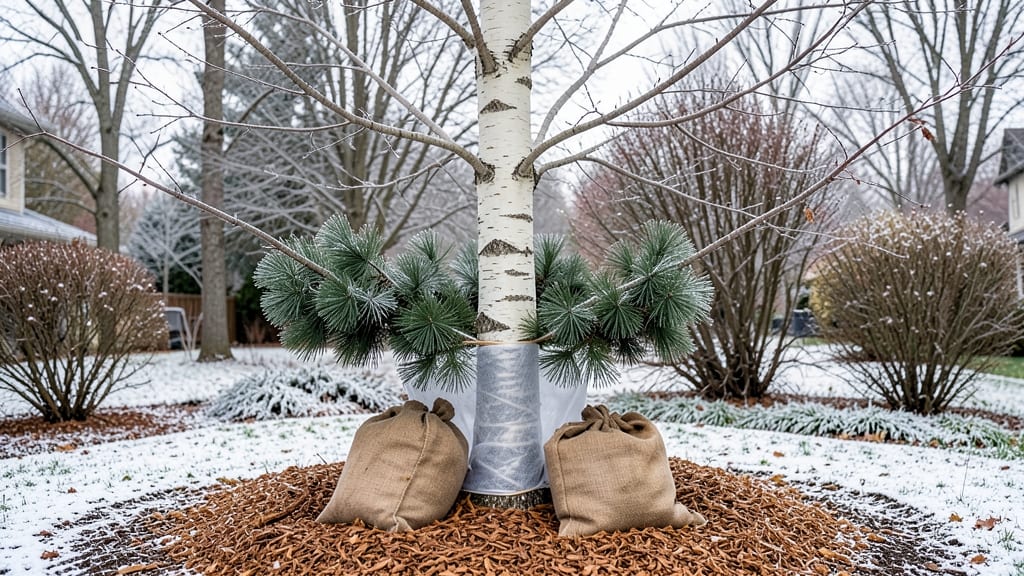
Frost cracks bark like glass—unless you keep the trees warm in winter. 🌳 The secret to winter survival isn't just wrapping trunks, but protecting roots where most damage happens. I've saved dozens of trees by insulating them properly, and it's easier than you think.
Most people focus on the trunk, but roots need warmth too. A 3-4 inch layer of organic mulch (straw or wood chips) acts like a blanket, keeping soil temperatures stable. For young trees, add a tree collar to prevent girdling from snow or tools.
You'll see fewer frost cracks, healthier buds, and trees that bounce back faster in spring. Evergreens need extra care—they lose moisture year-round, so wrap their trunks with burlap or tree wrap to prevent drying.
Works in any climate, from mild winters to harsh zones. Here's how to do it right—before the first freeze.
📚 In This Guide
- What you need
- Instructions
- Tips and common mistakes
- Wrapping up and next steps
What you need
- ● Tree wrap or burlap: 1–2 rolls (2–3 inches wide, 50–100 feet long). Look for breathable options like paper-based or jute wraps.
- ● Insulating mulch: 2–3 cubic yards of straw, wood chips, or shredded leaves (avoid fresh sawdust—it can compact and suffocate roots).
- ● Reflective bubble wrap or frost cloth: Enough to wrap trunk and lower branches (1–2 sheets, 20–30 feet long).
- ● Staple gun or heavy-duty tape: For securing wraps (if not using stretchy or self-adhesive options).
- ○ Garden hose or sprinkler (optional but helpful): For light watering before wrapping (if soil isn’t frozen).
- ● Pruners or shears: To trim dead or weak branches before wrapping.
- ● Gloves and long sleeves: For protection while handling mulch or sharp tools.
- ○ Thermometer (optional): Soil or air thermometer to monitor temperatures (ideal range: 32–40°F).
- ● Heat mat or root zone heater (for potted trees): Battery-operated or electric (use sparingly to avoid overheating).
- ● Straw or pine needles: Extra layer for young or sensitive trees (e.g., fruit trees, evergreens).
Step-by-Step instructions for protecting trees in cold climates
Cold snaps can damage even the hardiest trees—here’s how to shield roots and trunks before winter sets in.
🌱 Step 1: Inspect and Prepare the Root Zone
Start by clearing away any dead leaves, mulch, or debris from the base of the tree within a 3-foot radius. This prevents moisture buildup, which can freeze and damage roots. Use a rake to loosen the soil surface—this helps air circulate and reduces compaction from winter thawing.
Check for signs of stress like cracked bark or fungal growth. If you spot any, gently remove affected areas with sterilized pruners (soak blades in rubbing alcohol first). Healthy bark acts as a natural insulator, so protecting it now prevents cold damage later.
🪴 Step 2: Apply a Layer of Mulch for Root Protection
Spread a 3-4 inch thick layer of organic mulch (like shredded bark or straw) over the root zone, keeping it 6 inches away from the trunk. This thickness traps soil heat while allowing moisture to drain. Avoid piling mulch against the trunk—it can trap moisture and cause rot.
For extra insulation, top the mulch with a 1-2 inch layer of leaves or pine needles in areas with extreme cold (below 10°F). These materials break down slowly, adding organic matter to the soil as they decompose. Water the area lightly before mulching to help the layers settle.
✂️ Step 3: Wrap the Trunk for Frost Defense
Use tree wrap or burlap to protect the trunk from sun scald (common in sunny winter days) and animal damage. Start wrapping 12 inches above the soil line and extend it up to 6 feet high, overlapping edges by 2 inches. Secure with staples or twine, but avoid cutting into the bark.
For young trees or species sensitive to cold (like birch or willow), add a layer of foam insulation around the trunk before wrapping. This creates an air pocket that buffers temperature swings. Remove the wrap in early spring before buds swell to prevent moisture buildup.
☀️ Step 4: Shield with Burlap or Snow for Extra Protection
In regions with sub-zero temperatures, drape burlap or frost cloth around the tree’s lower trunk and branches. Anchor it loosely with soft ties—tight wraps can girdle the tree. This barrier reduces wind chill, which is more damaging than still air.
If snow is forecast, let it accumulate naturally around the base. Snow acts as a natural insulator, keeping roots 5-10°F warmer than exposed soil. Avoid shoveling it away unless it’s heavy and compacted, which can smother the tree.
⏰ Step 5: Monitor and Adjust Through Winter
Check the tree once a month during cold snaps. Look for ice encasements on branches—gently tap them loose if they’re thick enough to restrict growth. If the trunk feels hard and icy, add a thin layer of straw around the base to improve insulation.
Adjust wraps or mulch if heavy rains or thaws cause them to shift. The goal is to maintain a stable microclimate—too much moisture or poor airflow can undo your protective efforts. By spring, you’ll see healthier foliage and stronger root systems.
Tips & tricks for protecting trees in winter
Here’s what nobody tells you about winterizing trees—these tricks make all the difference between survival and struggle.
Root Zone Prep: In Step 1, don’t just clear debris—break up any compacted soil with a garden fork. Compacted soil acts like a thermal insulator, trapping cold air right where roots need warmth. Loosening it improves airflow and drainage, which prevents ice formation that can suffocate roots. This is especially critical for young trees with shallow root systems.
Mulch Layering: When applying the 3-4 inch mulch layer in Step 2, consider using a mix of materials—half organic mulch and half straw or pine needles. The straw adds extra insulation in extreme cold (below 10°F), while the organic mulch retains moisture. For trees in windy areas, mound the mulch slightly higher on the windward side to create a windbreak effect.
Trunk Wrap Technique: For Step 3, if you’re using burlap instead of tree wrap, soak it in water first to prevent it from wicking moisture away from the bark. The wrap should fit snugly but not constrict—you should be able to slide two fingers between the wrap and trunk. For trees with rough bark (like oaks), use a smooth tree wrap to prevent abrasions that can invite pests.
Snow Management: In Step 4, if you have heavy snowfall, don’t assume more snow is always better. Pile snow gently against the trunk using a shovel—never dump it directly from above, as this can compact and suffocate the tree. For evergreens, gently brush off excess snow from branches to prevent breakage, but leave some accumulation to insulate the trunk.
Pro Tips for Keep Trees Warm In Winter
- Here’s what nobody tells you about winterizing trees—these tricks make all the difference between survival and struggle.
- Root Zone Prep: In Step 1, don’t just clear debris—break up any compacted soil with a garden fork.
- Mulch Layering: When applying the 3-4 inch mulch layer in Step 2, consider using a mix of materials—half organic mulch and half straw or pine needles.
Frequently asked questions
Got questions about protecting your trees from winter’s chill? You’re not alone! Here are some of the most common concerns—and how to tackle them.
Can I use regular blankets or towels to wrap tree trunks?
While blankets might seem like a quick fix, they can trap moisture and promote rot or fungal growth. Instead, opt for breathable materials like burlap or tree-specific wraps designed to insulate without suffocating. Always secure them loosely to allow airflow.
When is the best time to insulate tree roots or trunks?
Timing is key! Apply root insulation (like mulch or heat mats) after the ground freezes but before heavy snowfall—typically late fall to early winter. For trunk wraps, do it once temperatures drop consistently below 32°F (0°C), usually in November or December, depending on your climate.
What if my tree is already showing signs of frost damage?
If you spot cracked bark, wilting, or brown leaves, act fast! Prune dead branches, add a thick layer of mulch around the base, and consider a lightweight wrap for young or vulnerable trees. Avoid heavy watering, as wet soil freezes faster. For severe damage, consult a local arborist.
Are there chemical or heat-based solutions to protect trees?
While anti-desiccant sprays (like those with wax or silicone) can help seal bark and reduce moisture loss, they’re not a standalone solution. For extreme cold, electric tree heaters or heated cables (buried near roots) work wonders—but they require careful installation and monitoring to avoid overheating.
How do I know if my tree’s roots are getting enough insulation?
Check for these signs:
- Mulch should be 3–4 inches deep but kept away from the trunk to prevent rot.
- Look for consistent soil temperature—use a soil thermometer if unsure.
- Healthy roots mean vigorous new growth in spring (no wilting or yellowing).
Wrapping up and next steps
Keeping your trees cozy during winter doesn’t have to be complicated—just a little preparation goes a long way! 🌳❄️ By wrapping roots with insulating materials like burlap, mulch, or even specialized tree guards, you’re giving your trees the best chance to thrive in colder months. Your effort now means stronger, healthier trees for years to come!
Ready to take action? Start by checking your trees this weekend—wrap those roots, add mulch, and give your green friends the winter care they deserve. Your trees will thank you come spring!