
Pests
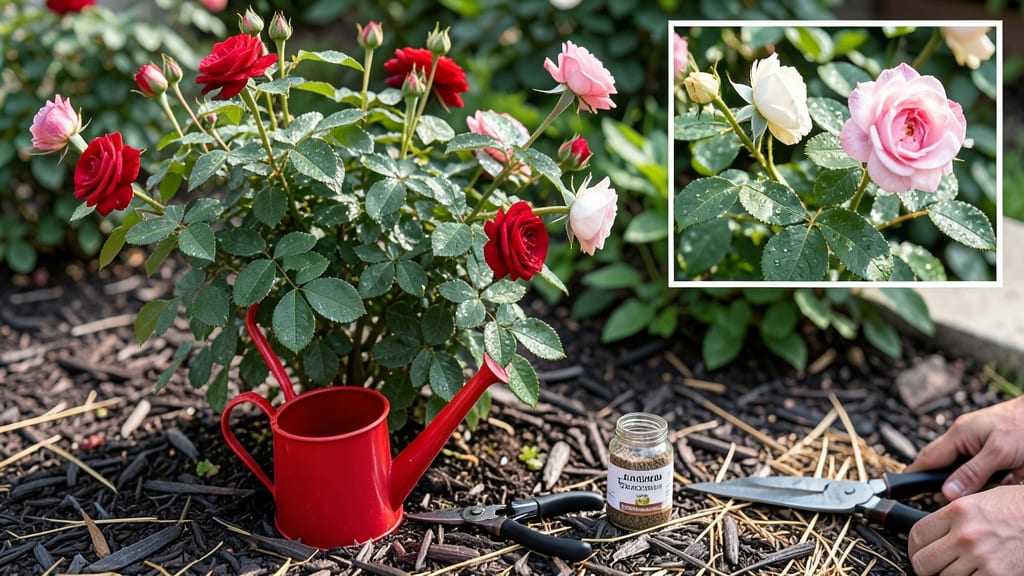
How to keep roses healthy could be as simple as three easy habits—pruning, feeding, and deadheading. ✂️ I’ve seen struggling bushes transform into lush, blooming showstoppers by mastering these basics, and the best part? It takes less than 30 minutes a month once you get the rhythm. The secret starts with well-draining soil and consistent watering—deep soaks twice a week, never soggy roots. Roses reward good care with bold, vibrant blooms that last longer, but they need a balanced fertilizer (organic or synthetic) every 4-6 weeks during growing season. Skip the guesswork: test your soil first. Deadheading spent blooms isn’t just about looks—it tells the plant to redirect energy into new growth. Prune in early spring to shape the bush and remove dead wood, then do a light trim after major blooms fade. My roses now produce nonstop flowers from June to frost, and the fragrance? Unbeatable. This works for hybrid teas, floribundas, and even climbing varieties. Let’s get your roses back to their healthiest, most productive selves—no fancy tools or chemicals required.
📚 In This Guide
- What you need
- Instructions
- Tips and common mistakes
- Wrapping up and next steps
What you need
- ● Pruning shears: Sharp, bypass-style shears (avoid anvil shears—they crush stems). Quantity: 1 pair.
- ● Gloves: Heavy-duty, gardening gloves (preferably with reinforced palms). Quantity: 1 pair (nitrile-coated for extra grip is ideal).
- ● Disinfectant: Rubbing alcohol (70%+ isopropyl) or bleach solution (1 part bleach to 9 parts water) to clean tools. Quantity: Small bottle or spray bottle.
- ○ Pruning sealant: Tree wound pruning paste (optional but helpful for large cuts). Quantity: Small jar.
- ● Fertilizer: Balanced rose fertilizer (e.g., 10-10-10 or 5-10-5 NPK ratio). Quantity: Enough for your rose bed (follow package rates).
- ● Organic options: Compost, worm castings, or fish emulsion (great for slow-release nutrients).
- ● Mulch: Organic mulch (shredded bark, straw, or pine needles). Quantity: 2–3 inches per plant.
- ● Deadheading tool: Small pruners or even clean scissors for spent blooms. Quantity: 1 pair.
- ● Rose food: Epsom salt (magnesium sulfate) for green, lush foliage. Quantity: 1 tablespoon per gallon of water.
- ● Pest control: Neem oil or insecticidal soap for aphids/black spot. Quantity: Small spray bottle.
- ● Support: Rose ties or stakes for climbing varieties. Quantity: As needed.
- ● Soil tester: pH test kit to check soil acidity (ideal: 6.0–6.5 for roses).
- ● Rain gauge: To monitor watering needs (roses love 1–1.5 inches per week).
Step-by-step instructions for pruning, feeding, and deadheading roses
Healthy roses start with three key habits—timing cuts right, feeding strategically, and removing spent blooms consistently.
✂️ Step 1: Prune for Structure and Airflow
I always prune in early spring when buds swell but before new growth begins. This timing ensures you remove winter damage while stimulating fresh, vigorous growth. Use clean, sharp pruners—dull blades tear stems and invite disease. Make cuts at a 45-degree angle just above an outward-facing bud, about ¼ inch above it. This angle helps water run off the stem instead of pooling and rotting.
Remove any dead, diseased, or crossing branches first—these compete for energy and block airflow. I look for thick canes with 5-7 strong buds and trim back to leave that many. Thin out crowded centers to improve sunlight penetration. You’ll know you’ve done it right when the plant has an open, vase-like shape with no tangled branches.
🌿 Step 2: Feed with the Right Nutrients at the Right Time
Roses need balanced feeding—too much nitrogen makes leaves, not flowers. I apply a rose-specific fertilizer (high in phosphorus and potassium) in three stages: early spring when buds form, mid-summer to boost blooms, and late summer for fall color. Always follow label rates—overfeeding burns roots. I also top-dress with 2-3 inches of compost in spring to improve soil structure and microbial activity.
Water deeply after feeding to help nutrients penetrate the root zone. You’ll see healthy roses respond within 2-3 weeks with darker green leaves and more buds. If leaves yellow between veins, that’s a sign of iron deficiency—apply a chelated iron supplement according to package instructions.
⏰ Step 3: Deadhead Regularly for Continuous Blooms
Deadheading isn’t just about looks—it redirects the plant’s energy into new flowers instead of seed production. I snip spent blooms just above a set of healthy leaves (usually 5 leaflets) using clean pruners. This encourages the plant to produce more side shoots. For hybrid teas and floribundas, I deadhead every 2-3 days during peak bloom season to keep the plant producing.
Watch for hip formation (the green seed pod)—once that appears, the plant has decided to make seeds instead of flowers. Remove it immediately. You’ll notice a surge in new buds within 7-10 days of consistent deadheading. For repeat-blooming varieties, this step is non-negotiable.
☀️ Step 4: Protect Against Common Threats
Healthy roses still need defense. I inspect plants weekly for signs of black spot (dark spots with yellow halos) or powdery mildew (white fuzzy patches). At the first sign, I apply neem oil or a copper fungicide according to label directions. Water at the base only in the morning to keep foliage dry—wet leaves invite fungal problems.
Mulch with 2-3 inches of organic mulch (like shredded bark) to retain moisture and regulate soil temperature. This also suppresses weeds that compete for nutrients. In fall, I add a layer of compost and reduce watering to prepare the plant for dormancy.
🌱 Step 5: Winterize for Next Year’s Health
Before the first frost, I cut back disease-free canes to 3-4 feet tall (shorter for colder climates). Wrap the center of the plant with rose cones or burlap and secure with twine. This protects against winter winds and temperature swings. In Zone 7 and warmer, I leave more growth—roses handle mild winters better with some protection.
You’ll know your winterizing worked if the plant emerges in spring with fewer dead canes and more buds than before. Healthy roses reward consistency—stick to this routine, and you’ll enjoy vibrant blooms from spring to frost.
Tips & tricks for perfect rose care
Between us, the difference between a thriving rose bush and one that struggles isn't just luck—it's these small, strategic moves that keep your plants vibrant all season long.
Pruning Precision: When you're pruning roses, always cut at a 45-degree angle just above an outward-facing bud. This angle helps water run off the stem and prevents rot. I learned this the hard way after losing a prized bush to fungal issues—now I make sure every cut follows this rule. Use sharp, clean pruners to avoid tearing the bark, which can invite disease.
Deadheading Technique: Don't just snip off the flower—cut back to the first set of five healthy leaves below the bloom. This encourages new growth and prevents leggy stems. I've seen gardeners skip this step, and their roses end up looking sparse by mid-summer. If you're dealing with hybrid teas, you can even cut back further to promote bushier growth.
Feeding Strategy: Roses are heavy feeders, so don't skimp on fertilizer. I recommend a balanced 10-10-10 or rose-specific formula, applied every 4-6 weeks during the growing season. For organic options, composted manure or fish emulsion works wonders. The key is consistency—don't go from zero to heavy fertilizer overnight, as this can burn roots. Start with half-strength applications and gradually increase.
Watering Wisdom: Water deeply but infrequently—aim for about 1 inch of water per week, either from rainfall or irrigation. The best time to water is early morning, which gives the foliage time to dry before nightfall and reduces fungal risks. I always check the soil first; if it's dry 2 inches below the surface, it's time to water. Mulching around the base helps retain moisture and keeps roots cool.
Pro Tips for Keep Roses Healthy
- Between us, the difference between a thriving rose bush and one that struggles isn't just luck—it's these small, strategic moves that keep your plants vibrant all season long.
- Pruning Precision: When you're pruning roses, always cut at a 45-degree angle just above an outward-facing bud.
- Deadheading Technique: Don't just snip off the flower—cut back to the first set of five healthy leaves below the bloom.
Frequently asked questions
about keeping roses healthy—because even the most stunning blooms need a little TLC! Here are answers to your top questions to help your roses thrive.How often should I water my roses?
Water roses deeply 1-2 times per week, depending on your climate. Aim for about 1-2 inches of water per week, ensuring the soil is moist but not soggy. Early morning is best to reduce fungal risks. Mulch around the base to retain moisture and protect roots.
What are the most common rose pests, and how do I treat them?
Watch for aphids, spider mites, and Japanese beetles—they love roses! For mild infestations, spray with a soapy water solution (1 tsp mild soap per quart of water). For severe cases, use neem oil or insecticidal soap. Always check the undersides of leaves and new growth.
When is the best time to prune roses?
Prune late winter or early spring (before new growth starts) to remove dead or weak canes. For fall-blooming roses, prune lightly after their final bloom. Avoid heavy pruning in fall—it can encourage tender new growth that won’t survive winter. Use sterilized shears to prevent disease.
Can I use coffee grounds or eggshells as fertilizer?
Yes! Coffee grounds add nitrogen (great for green growth) and improve soil texture, but use sparingly (½ cup per plant). Crush eggshells into a powder and sprinkle around the base—they add calcium and deter pests. Both are organic, budget-friendly alternatives to synthetic fertilizers.
Why are my rose leaves turning yellow?
Yellow leaves often signal overwatering, nutrient deficiency, or fungal issues. Check the soil—it should be moist but not waterlogged. If the yellowing starts at the bottom of the plant, it’s likely overwatering or poor drainage. For top yellowing, it could be nitrogen deficiency or a disease like black spot (treat with fungicide if needed).
Pro Tip:
Rotate your roses’ location every few years to prevent soil depletion. Even a small shift can improve airflow and reduce disease risk. Happy roses = happy gardener!
Wrapping up and next steps
Keeping your roses healthy is all about a little consistency and care—pruning for shape, feeding for nutrients, and deadheading for longer blooms. With the right tools and techniques, you’ll enjoy vibrant, thriving roses that brighten up your garden all season long! 🌹✨
Now that you’re armed with expert tips, roll up your sleeves and give your roses the love they deserve. Start with just one task—like a deep watering or a light pruning—and watch your garden transform! 🌱💚