
Pests
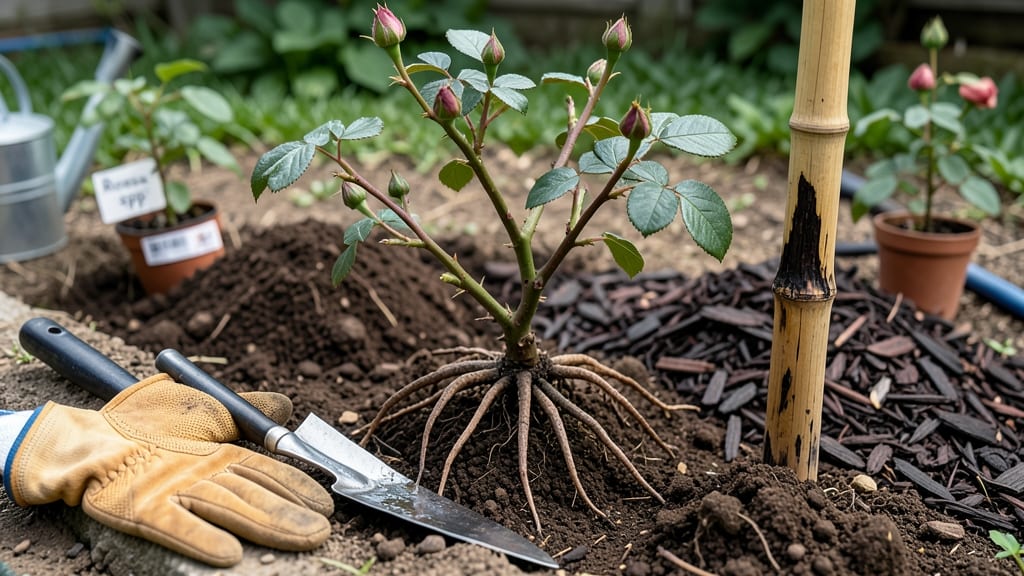
How to get a start off a rose bush can bloom in just 6-8 weeks with the right approach. 🌹 I’ve nursed more than a dozen from bare roots to full bushes, and the secret isn’t fancy tools—it’s timing, soil prep, and knowing when to prune. Most beginners overlook the "waiting period" after planting, but that’s when roots establish and set the stage for future blooms.
You’ll need a sunny spot (at least 6 hours of light daily), well-draining soil, and either bare-root plants or grafted starts. The best time to begin is early spring, when soil warms but pests haven’t peaked.
Water deeply right after planting, then taper off as new growth appears—overwatering is the #1 killer of young roses.
By summer’s end, you’ll see sturdy canes with buds forming. Prune wisely: cut back 1/3 of the oldest stems to encourage new growth, and deadhead spent blooms to redirect energy. The payoff? A bush that keeps flowering until frost, with fewer pests and stronger stems than store-bought plants.
Works for hybrid teas, climbers, and shrub roses alike. Here’s how to avoid the most common mistakes—like planting too deep or skipping mulch—and keep your new rose thriving through its first critical year.
📚 In This Guide
- What you need
- Instructions
- Tips and common mistakes
- Wrapping up and next steps
What you need
- ● Healthy rose bush: A mature, disease-free rose bush (bare-root or potted) with at least 3-5 strong canes.
- ● Pruning shears: Sharp, sterilized bypass pruners (avoid dull tools—they crush stems!).
- ● Gloves: Heavy-duty gardening gloves (thorns are no joke! 😉).
- ○ Pruning sealant: Optional but recommended (e.g., tree wound paint) to prevent disease entry.
- ● Compost or well-aged manure: 2-3 gallons for enriching the soil.
- ● Balanced fertilizer: 10-10-10 or rose-specific formula (follow package rates).
- ● Mulch: Organic mulch (e.g., shredded bark or straw) to retain moisture.
- ● Watering can or hose: With a gentle spray nozzle for hydration.
- ● Disinfectant: Rubbing alcohol (70% or higher) to clean tools between cuts.
- ● Plant support: Stakes or a cage for young, floppy canes.
- ● Epsom salt: 1 tablespoon dissolved in water for magnesium boost (great for green roses!).
- ● Pest control: Neem oil or insecticidal soap (preventative measure).
- ● Garden twine: For tying canes to supports.
Step-by-Step guide to revitalizing a rose bush
Here’s how to jumpstart your rose bush so it bursts with new growth and flowers all season.
✂️ Step 1: Prune for Health and Shape
Start by removing any dead, diseased, or crossing branches with clean, sharp pruners. I always sterilize my tools with rubbing alcohol first—this prevents spreading bacteria or fungus to healthy wood. Cut at a 45-degree angle just above an outward-facing bud, about ¼ inch above it. This ensures water runs off the cut and new growth emerges in the right direction.
Next, shape the bush by thinning out crowded stems. Look for branches growing inward or rubbing against others—these compete for nutrients and weaken the plant. Aim to leave 3-5 strong canes per foot of height, depending on your rose type. Open up the center to improve airflow, which reduces humidity and disease risk. You’ll see a dramatic difference in how light and air reach the inner stems after just this step.
🌱 Step 2: Feed for Strong New Growth
Apply a balanced rose fertilizer (like 10-10-10) right after pruning, following package instructions for your bush’s size. I like to mix it into the top 2 inches of soil around the base—this feeds roots directly while avoiding leaf burn. For extra vigor, add a handful of compost or well-rotted manure to the soil surface. This boosts microbial activity and gives roots the organic matter they crave.
Water deeply after feeding to help nutrients penetrate the soil. You’ll know it’s working when you see new green shoots within 2-3 weeks. If your soil feels dry to the touch after watering, add a 2-inch layer of mulch (like bark or straw) to retain moisture and regulate temperature. Mulch also suppresses weeds, which compete with roses for nutrients.
💧 Step 3: Deadhead and Encourage Blooms
Once flowers fade, snip off the spent blooms just above the first set of healthy leaves (or the next bud). This redirects the plant’s energy from seed production to growing more flowers. I use clean pruners and make cuts at a 45-degree angle again—this prevents water from pooling on the stem, which can rot the plant. For hybrid teas and grandifloras, deadheading every 2-3 days keeps them blooming nonstop.
Watch for new buds forming along the stems. These will develop into fresh flowers in 4-6 weeks. If you notice buds but no blooms, your rose might need more sunlight—most varieties thrive in full sun (6+ hours daily). A quick check: If leaves look pale or stems stretch too tall, move the bush to a sunnier spot or supplement with a grow light for 12-14 hours daily during cloudy periods.
☀️ Step 4: Maintain for Continuous Growth
Water roses deeply once a week (or more in extreme heat), aiming for 1-1.5 inches of water per week. I test moisture by sticking my finger 2 inches into the soil—if it’s dry, it’s time to water. Overwatering is a common mistake; soggy soil leads to root rot and weak stems. Always water at the base, not overhead, to keep foliage dry and prevent fungal diseases like black spot.
Every 4-6 weeks, give your roses another light feeding with a low-nitrogen fertilizer (like 5-10-10) to promote blooms over leafy growth. You’ll see the difference in fuller, longer-lasting flowers and fewer straggly stems. Keep an eye out for pests like aphids or spider mites—spray with neem oil at the first sign of trouble. A healthy bush is resilient, but early intervention prevents small issues from becoming big problems.
Tips & tricks for revitalizing a rose bush
Here's what nobody tells you about breathing new life into your rose bush—these secrets make all the difference.
Pruning Precision: When shaping your bush in Step 1, look for branches that are thinner than a pencil—these are often dead or dying. Cutting them back to a healthy bud (not just any bud) ensures you're encouraging new growth from a strong starting point. I learned this the hard way after pruning too aggressively and losing a whole section of my bush. Always leave at least 3-5 strong canes per foot of height, and make your cuts just above an outward-facing bud to direct growth away from the center. This creates that perfect open shape that lets sunlight and air circulate.
Fertilizer Timing: The 2-3 weeks window for seeing new green shoots after feeding isn't just a guess—it's when roots are actively absorbing nutrients. Apply your balanced rose fertilizer right after pruning (Step 2), but don't overdo it. Too much nitrogen early on will give you leafy growth instead of flowers. I mix mine into the top 2 inches of soil around the base, then water deeply to help it penetrate. For extra vigor, add a handful of compost—this boosts microbial activity without risking leaf burn. The key is patience: you'll know it's working when you see those first tiny green shoots.
Deadheading Discipline: In Step 3, when you're deadheading, don't just cut off the flower—snip just above the first set of healthy leaves (or the next bud). This redirects the plant's energy to grow more flowers instead of seeds. For hybrid teas and grandifloras, I set a reminder to deadhead every 2-3 days—it keeps them blooming nonstop. Watch for new buds forming along the stems; these will develop into fresh flowers in 4-6 weeks. If you notice buds but no blooms, your rose might need more sunlight. Most varieties thrive in full sun (6+ hours daily), so if leaves look pale or stems stretch too tall, move the bush to a sunnier spot or supplement with a grow light for 12-14 hours daily during cloudy periods.
Pro Tips for Get A Start Off A Rose Bush
- Here's what nobody tells you about breathing new life into your rose bush—these secrets make all the difference.
- Pruning Precision: When shaping your bush in Step 1, look for branches that are thinner than a pencil—these are often dead or dying.
- Fertilizer Timing: The 2-3 weeks window for seeing new green shoots after feeding isn't just a guess—it's when roots are actively absorbing nutrients.
Frequently asked questions
Got questions about starting fresh with your rose bush?
You’re not alone! Here are answers to the most common concerns—from timing to troubleshooting—so you can keep your roses thriving.
When is the best time to prune a rose bush for new growth?
The ideal time to prune for a fresh start is late winter or early spring (just before new buds swell) or after the first flush of blooms in late spring. Avoid pruning in fall—it can stimulate tender growth that won’t survive winter. For container roses, you can prune lightly year-round, but stick to the same seasonal rules for best results.
How much should I cut off a rose bush to encourage new growth?
For most roses, aim to reduce the plant by about one-third (or up to half for overgrown bushes). Cut just above an outward-facing bud (about ¼ inch above) to promote air circulation and stronger branches. Avoid "topping" (cutting stems back to a stub)—this stresses the plant. Pro tip: Use sharp, clean shears to prevent disease!
My rose bush isn’t blooming after pruning. What’s wrong?
Several factors could be at play: over-pruning (cutting too late or too aggressively), nutrient deficiency (lack of phosphorus/potassium), or pests/disease (like black spot or aphids). Check for yellowing leaves, weak stems, or pests first. If the issue persists, feed with a balanced rose fertilizer (10-10-10 or 5-10-5) and ensure it gets 6+ hours of sunlight daily.
Can I propagate new rose bushes from cuttings instead of buying starts?
Take 4–6 inch cuttings from healthy, non-flowering stems in early summer. Remove leaves from the lower half, dip in rooting hormone, and plant in moist perlite or sand. Keep humid (use a plastic bag) and place in bright, indirect light. Roots should form in 4–8 weeks. Pro tip: Hybrid teas and floribundas root easiest!
Do I need to protect my newly pruned rose bush from winter?
Yes, especially in USDA Zones 5–7. After pruning, mulch the base with 2–3 inches of organic mulch (straw or shredded bark) to insulate roots. For tender varieties, wrap the canes loosely with burlap or rose cones and secure with twine. Remove protection in early spring once new growth appears.
What’s the difference between pruning for shape vs. rejuvenation?
| Pruning for Shape | Rejuvenation Pruning |
|---|---|
| Done in late winter/early spring to remove dead wood, crossing branches, and encourage airflow. | Done in late winter for severely overgrown bushes—cut back halfway to the ground to stimulate new basal shoots. |
| Cuts are clean and angled above buds. | May require multiple years of gradual pruning to restore vigor. |
Wrapping up and next steps
Starting a rose bush off right is all about consistent care—pruning for shape, feeding for strength, and deadheading for more blooms. 🌹 With the right tools, timing, and a little patience, you’ll soon enjoy a thriving, fragrant garden centerpiece.
Now that you’re armed with the know-how, take the next step: grab your pruners and give your rose bush the love it deserves!
Need extra guidance? Bookmark this guide or share it with fellow gardening enthusiasts—because every great rose garden starts with a single, well-placed cut! 🌱