
Lawn
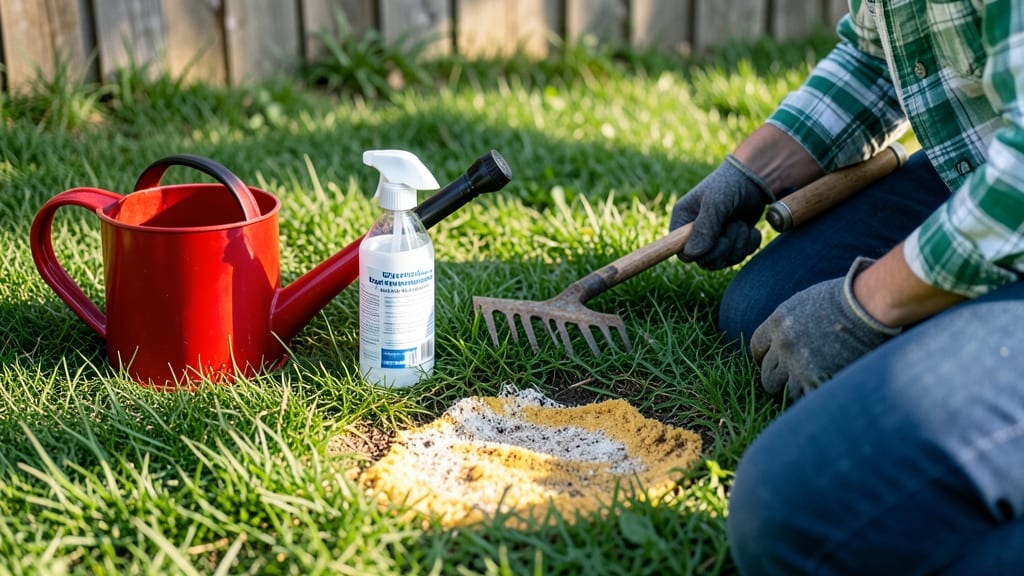
How to keep grass from dying from dog urine turns your green lawn into a patchwork of yellow crime scenes. 🌱 Honestly, I’ve watched my perfect grass turn into dead spots after every walk—until I learned these quick fixes that actually work. The problem isn’t just the urine itself—it’s the concentrated nitrogen burning the grass roots. Over time, soil compaction from frequent dog traffic makes things worse. But the good news? You can reverse the damage with simple steps that take less than 10 minutes per spot. Start by diluting fresh urine with water right after your pup goes, then train them to use a designated area. For existing dead patches, overseeding with shade-tolerant grass or clover can bring it back to life in just 2-3 weeks. This isn’t about giving up your lawn—it’s about working with your dog’s habits. Let’s fix those yellow spots for good.
The Hidden Reasons Grass Dies
If your lawn is slowly turning into a patchwork of brown spots after your dog does their business, you’re not alone. The issue isn’t just the urine itself—it’s a mix of chemical imbalances, microbial overgrowth, and even soil stress.
Let’s break down the real culprits behind those unsightly yellow patches and why they’re so stubborn to fix.
Dog urine is packed with nitrogen—up to 10 times more concentrated than human urine. When it hits the grass, the high ammonia levels act like a chemical burn. Here’s how it works:
- Rapid absorption: Grass blades absorb the nitrogen quickly, but the concentration is so strong it disrupts cellular processes, causing the cells to die.
- pH spike: Urine is acidic (pH ~6.5–7.5), but when it mixes with soil, it can drop to pH 4–5—levels that block nutrient uptake in roots.
- Oxidative stress: The ammonia releases reactive oxygen species (ROS), which damage cell membranes in grass blades, leading to browning.
Fun fact: Small, frequent urinations cause more damage than one big puddle because the nitrogen is spread over a wider area, weakening the grass’s ability to recover.
Healthy soil has a balance of beneficial microbes (like nitrogen-fixing bacteria) and pathogens. Dog urine tips this scale by:
- Feeding harmful microbes: The high urea content (up to 2.5% of urine) acts as a fertilizer for urease-producing bacteria, which break down urea into ammonium (NH₄⁺). Too much ammonium acidifies the soil further.
- Disrupting mycorrhizal fungi: These fungi help grass roots absorb nutrients. Urine’s acidity kills them off, leaving roots starved and vulnerable.
- Creating anaerobic zones: Compacted or waterlogged soil (common where dogs frequent) traps ammonia in pockets, preventing it from dissipating and worsening the burn.
Result: The grass can’t recover because the soil ecosystem is out of whack, not just because of the urine itself.
Not all grass is equally resilient to dog urine. The type of grass you have plays a huge role in how much damage occurs:
| Grass Type | Why It Struggles | Recovery Potential |
|---|---|---|
| Cool-season grasses (Kentucky Bluegrass, Fescue) | Thin cell walls absorb nitrogen quickly, leading to rapid browning. Roots are less tolerant of soil acidity. | ⭐⭐⭐ (Moderate—needs soil pH adjustment) |
| Warm-season grasses (Bermuda, Zoysia) | Thicker blades resist initial burn, but root systems are shallow, making them prone to long-term stress. | ⭐⭐ (Poor—often needs overseeding) |
| Drought-resistant grasses (Buffalo Grass, Tall Fescue) | Deep roots help dilute urine effects, but slow regrowth means damage lingers. | ⭐⭐⭐⭐ (Best—if soil is healthy) |
Key takeaway: If your grass is already stressed (from drought, pests, or poor soil), one urine spot can be the final straw.
How you water and walk on your lawn after your dog goes can amplify or reduce the damage:
- Immediate watering: Dilutes ammonia within 30 minutes, reducing burn risk by up to 60%. But overwatering afterward can wash away nutrients the grass needs to recover.
- Compaction: Dog paws (or your shoes) pack soil tightly, reducing oxygen flow. This traps ammonia near roots, slowing recovery.
- Shady spots: Grass in low-light areas grows slower, so it’s less able to metabolize nitrogen from urine, leading to chronic yellowing.
Pro tip: If your dog always urinates in the same spot, the soil there may become permanently compacted—like a "doggy doormat." Breaking it up with aeration can help.
Quick Fixes for Dog Urine Damage
Now that you know why your grass turns yellow after your pup does its business, let’s tackle the how. The good news? Most solutions are simple, budget-friendly, and require minimal effort.
Below, we’ve mapped the most common causes of urine damage to their best fixes—plus prevention tips to keep your lawn lush long-term.
Fix: Dilute the damage by flushing the area immediately.
- Step 1: 💦 Rinse the spot with a garden hose or sprinkler right after your dog goes. This washes away concentrated ammonia before it burns the grass.
- Step 2: 🌱 Water deeply but less frequently afterward. Shallow watering keeps roots weak—aim for 1–1.5 inches per week (including rain).
- Step 3: 🌿 Mow high (3–4 inches) to shade roots and reduce evaporation.
Prevention Tip: 💡 Train your dog to pee in one designated area (like a gravel patch) and rinse it daily. This gives your grass a break!
Fix: Rebalance the soil to protect grass health.
- For acidic soil (pH < 6.5):
- Sprinkle lime (calcium carbonate) over the yellowed area and water it in. Test soil pH annually—most lawns thrive at 6.0–7.0.
- For alkaline soil (pH > 7.5):
- Apply sulfur or peat moss, then till lightly into the top 2 inches of soil. Re-test in 3–4 months.
Pro Tip: 🌡️ Avoid over-fertilizing—excess nitrogen worsens pH swings. Use a slow-release fertilizer twice a year instead.
Fix: Strengthen the lawn so it can recover faster.
- Step 1: 🔪 Reseed bare spots with a dog-friendly grass blend (like tall fescue or Kentucky bluegrass). These varieties tolerate urine better than Bermuda or St. Augustine.
- Step 2: 🌱 Top-dress with compost (¼ inch layer) to improve soil structure. This helps roots absorb water and nutrients more efficiently.
- Step 3: 💪 Aerate compacted soil in spring/fall. Use a core aerator to pull plugs, then fill holes with sand or compost.
Prevention Tip: ✨ Mow regularly (never remove more than ⅓ of the blade) and avoid heavy foot traffic on weak patches.
Fix: Feed the grass what it’s missing.
- For yellowing from nitrogen deficiency:
- Apply a balanced lawn fertilizer (10-10-10 or 20-20-20) in early spring or fall. Follow label rates—more isn’t better!
- For iron deficiency (chlorosis):
- Use an iron supplement (like iron sulfate) in late spring. This fixes the yellowing without harming your dog (just keep them off the lawn for 24 hours after application).
Pro Tip: 📊 Test your soil every 2–3 years at a local extension office. This tells you exactly what nutrients are lacking.
Fix: Rotate pee zones and protect hotspots.
- Step 1: 🏷️ Mark a "potty patch" (gravel, mulch, or artificial turf) where your dog can go. Train them with treats and praise!
- Step 2: 🛡️ Cover high-traffic urine spots with plastic sheeting for 24 hours, then remove and reseed.
- Step 3: 🌿 Plant clover or creeping charlie in problem areas. These ground covers tolerate urine better than grass.
Prevention Tip: 🎯 Walk your dog after meals—full bladders = more accidents. Also, hydrate them well to dilute urine slightly.
If your grass is still struggling after 2–3 weeks, combine these tricks:
- 💧 Overhead watering: Use a soaker hose to gently water the roots without compacting soil.
- 🌱 Mycorrhizal fungi: Add this to your soil—it helps roots absorb nutrients faster.
- 🍃 Overseed in fall: Cool weather helps grass recover before winter.
Final Reminder: Consistency is key! Even with fixes, it takes 4–6 weeks for grass to bounce back. But with these steps, your lawn will be dog-proof in no time. 🐕💚
Frequently asked questions
Why does dog urine kill grass so quickly?
Dog urine contains 10x more nitrogen than human urine, creating a chemical burn when concentrated. The ammonia in urine disrupts grass cell processes, causing rapid browning within 24-48 hours. Small, frequent urinations spread the damage wider than one big puddle.
Can I just water the spot after my dog pees?
Yes, but timing matters! Rinse the area immediately (within 30 minutes) to dilute the ammonia. Afterward, water deeply 1-2 times per week—not daily—to prevent nutrient runoff. Shallow watering can actually weaken grass roots over time.
What's the fastest way to restore dead grass patches?
For small spots (1 foot diameter), cover with plastic for 24 hours to block urine, then remove and overseed with tall fescue. For larger areas, aerate the soil, apply compost (¼ inch layer), and reseed. Expect visible recovery in 2-3 weeks with proper care.
Will lime help my dog urine-damaged lawn?
Yes, if your soil is acidic (pH < 6.5). Sprinkle pelletized lime over yellowed areas and water it in. Test soil pH annually—most lawns thrive at 6.0-7.0. For alkaline soil (pH > 7.5), use sulfur instead. Lime won't work instantly but prevents future damage.
Are there dog-friendly grass alternatives?
Try clover or creeping charlie—they tolerate urine better than grass. For grass options, tall fescue and Kentucky bluegrass recover faster. Plant these in high-traffic urine zones. Mulch or artificial turf also works well for designated potty areas.