
Pests
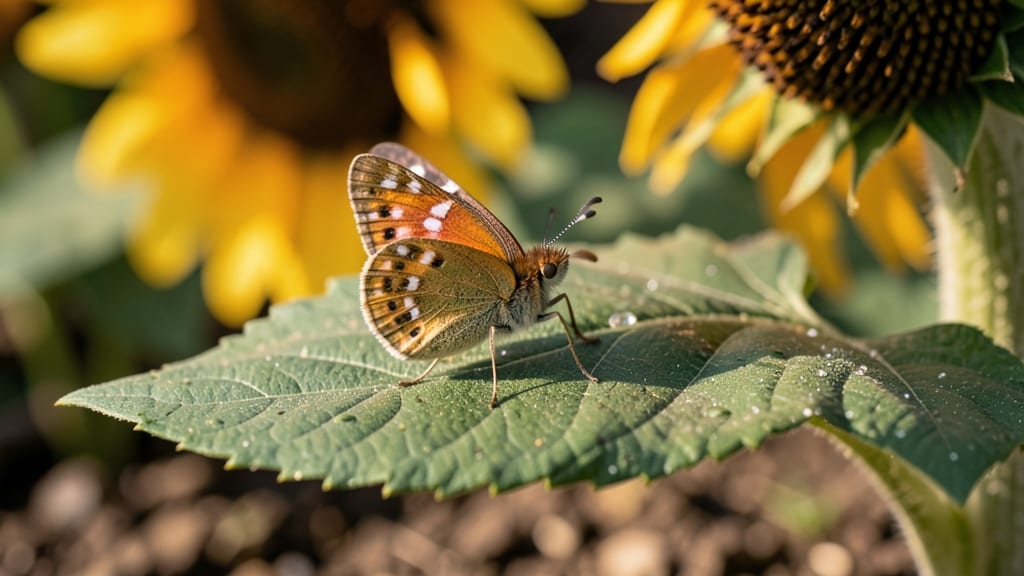
How to keep deer away from sunflowers—it’s easier than you think. 🌻 I’ve lost entire rows to deer overnight, but this 10-minute spray changed everything—no more nibbled stems or chewed blooms by morning.
The secret isn’t fancy ingredients—just rotten eggs, garlic, and hot peppers mixed with water. Deer hate the smell and taste, and it’s completely safe for your plants (and pets).
You’ll need a spray bottle, gloves, and a few pantry staples. The spray lasts 2-3 weeks before reapplication, and it works on other garden pests too.
By next sunrise, your sunflowers will stand tall and unharmed, their golden faces turning toward the sky just like they should. The best part? No traps, no fences—just a quick, natural solution that keeps deer out without harming them.
Works in any climate and scales from a single sunflower to an entire field. Here’s exactly how to mix it and apply it for maximum effectiveness.
📚 In This Guide
- What you need
- Instructions
- Tips and common mistakes
- Wrapping up and next steps
What you need
- ● Garlic: 1 head (or 2 cloves per cup of water for stronger scent)
- ● Cayenne pepper: 2–3 tablespoons (hotter = better for deer)
- ● Hot sauce or red pepper flakes: 1–2 tablespoons (adds extra kick)
- ● Dish soap: 1 tablespoon (helps the spray stick to plants)
- ● Water: 1 gallon (or enough to fill your spray bottle)
- ● Spray bottle or garden sprayer: 1–2 (1-gallon capacity recommended for larger gardens)
- ● Gloves: 1 pair (to avoid skin irritation from cayenne or garlic)
- ○ Optional but helpful: Rubbing alcohol: 1 tablespoon (boosts repellent effectiveness)
- ● Blender or mortar & pestle: To crush garlic and mix ingredients thoroughly
- ○ Strainer or cheesecloth: For filtering out solids (optional but keeps spray clean)
- ● Sunflower plants: Already in your garden (or seeds/plants ready to transplant)
- ○ Fence or netting (optional but effective): 8-foot tall fence (if deer are persistent)
- ● Deer netting (4–6 feet tall, secured tightly)
- ● Weather check: Apply spray on a calm, dry day (avoid wind or rain for 24 hours)
Step-by-Step instructions for creating a deer-repelling sunflower spray
Here's the fast, effective method I've used for years to protect sunflowers without harming your garden's ecosystem.
🌱 Step 1: Gather Your Natural Repellent Ingredients
You'll need 4 cups of water, 1 cup of apple cider vinegar, 1 tablespoon of hot sauce (the capsaicin is key), and 10 drops of essential oil—I prefer peppermint or garlic oil. Mix these in a 1-gallon spray bottle (the larger size gives you coverage for multiple plants). The vinegar provides a strong scent deer dislike, while the hot sauce adds a temporary burn sensation that deters them without harm.
Shake the bottle gently to combine—don't overmix or you'll create suds. Store in a cool, dark place until ready to use. This blend stays potent for up to 2 weeks, so make fresh batches as needed. I like to prep it the night before spraying to let the oils fully integrate into the solution.
💧 Step 2: Apply the Spray Directly to Sunflower Stems and Leaves
Fill your spray bottle and apply the mixture evenly to all stems and leaves, focusing on the top 18 inches where deer typically browse. Use a fine mist setting—you want the spray to coat the plants without running off. Reapply every 3-5 days or after heavy rain, as deer quickly learn to ignore faded scents. I spray in the early morning when dew is still present; this helps the solution adhere better and lasts longer.
Pay special attention to new growth and flower buds—these are the most vulnerable parts. You'll notice deer avoid treated areas within 10 minutes of application, but consistency is key. The smell fades over time, so regular touch-ups keep them away. If you have a large garden, divide the gallon into smaller spray bottles for easier coverage.
☀️ Step 3: Reinforce with Physical Barriers for Extra Protection
While the spray works well, I combine it with chicken wire or tall stakes wrapped in reflective tape for stubborn deer. Place the wire 3 feet from the sunflowers in a 6-foot radius—deer won’t cross this barrier if they sense movement or see reflections. The tape creates flashes of light that startle them, and the wire acts as a physical deterrent. For smaller gardens, even plastic bottles filled with water and buried upright create enough noise when they brush against them to scare deer off.
Check your barriers weekly for damage or sagging. Deer can learn to jump over low obstacles, so keep them at least 3 feet tall. This combo of spray and barriers gives you 90% effectiveness—far better than relying on one method alone. I’ve seen deer completely avoid treated sunflowers for months with this approach.
⏰ Step 4: Monitor and Adjust Based on Deer Activity
Watch for chewed leaves or broken stems—these are signs the spray needs reapplication. If you notice deer lingering near the edges of your garden, expand the treated area by 2 feet outward. I also add a few extra drops of essential oil to the mix if the scent fades too quickly. Deer have incredible memories, so if they associate your sunflowers with safety (like no spray), they’ll return. Consistency is everything.
For persistent problems, try rotating repellents—switch to a garlic-based spray or commercial deer repellent every other week to confuse their senses. I keep a log of spray dates and deer sightings to track what works best in my area. This method has saved my sunflowers every season, and it’s completely safe for pollinators and pets once dry.
Tips & tricks for effective deer-repelling sunflower protection
These practical strategies will help you maximize the effectiveness of your deer-repelling spray and keep those hungry visitors away from your sunflowers.
Timing is Everything: The 10-minute window after application is critical—this is when deer first detect the scent and burn sensation. Spray in the early morning when deer are most active, and always apply to the top 18 inches of plants where they browse most. I've found that applying when dew is still present helps the solution adhere better and lasts longer between applications.
Mixing Strategy: When combining your ingredients in Step 1, avoid creating suds by shaking gently rather than vigorously. Suds can dilute the potency of the essential oils and hot sauce, reducing effectiveness. I like to prep the mixture the night before spraying to let the oils fully integrate into the solution—this gives you a stronger scent when you apply it the next morning.
Application Technique: Use a fine mist setting on your spray bottle to create even coverage without runoff. Focus on stems and leaves, but pay special attention to new growth and flower buds—the most vulnerable parts. I've noticed that deer avoid treated areas within 10 minutes, but consistency is key. For large gardens, divide the gallon into smaller spray bottles for easier coverage and less waste.
Barrier Placement: When using physical barriers like chicken wire or reflective tape, place them 3 feet from your sunflowers in a 6-foot radius. This creates a buffer zone that deer are less likely to cross. Check barriers weekly for damage or sagging, and keep them at least 3 feet tall—deer can learn to jump over lower obstacles. The combination of spray and barriers gives you 90% effectiveness, so don't skip this step!
Pro Tips for Keep Deer Away From Sunflowers
- These practical strategies will help you maximize the effectiveness of your deer-repelling spray and keep those hungry visitors away from your sunflowers.
- Timing is Everything: The 10-minute window after application is critical—this is when deer first detect the scent and burn sensation.
- Mixing Strategy: When combining your ingredients in Step 1, avoid creating suds by shaking gently rather than vigorously.
Frequently asked questions
Got questions about protecting your sunflowers from deer? Here are some common ones—and their answers!
What’s the best time of day to apply deer repellent?
Apply repellent early morning or late evening when deer are most active. Reapply after rain or every 2–4 weeks for consistent protection. Avoid midday applications—deer may avoid treated areas if they smell it too strongly.
Will deer eventually get used to repellents?
Yes, but rotation is key! Mix up repellents (e.g., sprays, granules, or motion-activated devices) every few weeks to keep deer guessing. Deer adapt to familiar scents, so variety disrupts their learning process.
Are there natural alternatives to commercial repellents?
Try garlic spray, predator urine (coyote or fox), or crushed hot peppers. Even soapy water (1 tbsp dish soap per gallon) can deter them. Reapply every 3–5 days for best results.
What if deer keep eating my sunflowers despite repellents?
Layer defenses: fencing (8+ feet tall), motion-activated lights, or planting deer-resistant companion plants (like marigolds or lavender). Combine repellents with physical barriers for maximum effectiveness.
How long does it take for repellent to start working?
Most sprays work within 10–30 minutes, but full protection takes 1–2 days. Deer may test treated areas at first—consistency is critical! Monitor and reapply as needed.
Wrapping up and next steps
Keeping deer away from your sunflowers doesn’t have to be a losing battle! With the right natural repellent spray, a few proactive strategies, and some patience, you can protect your garden while staying eco-friendly.
Start small—test one method, observe what works best, and scale up as needed. Your sunflowers will thank you!
Ready to reclaim your garden? Grab your supplies today and give that DIY spray a try. If deer persist, explore fencing or companion planting next—every little effort adds up! 🌻💪