
Propagation
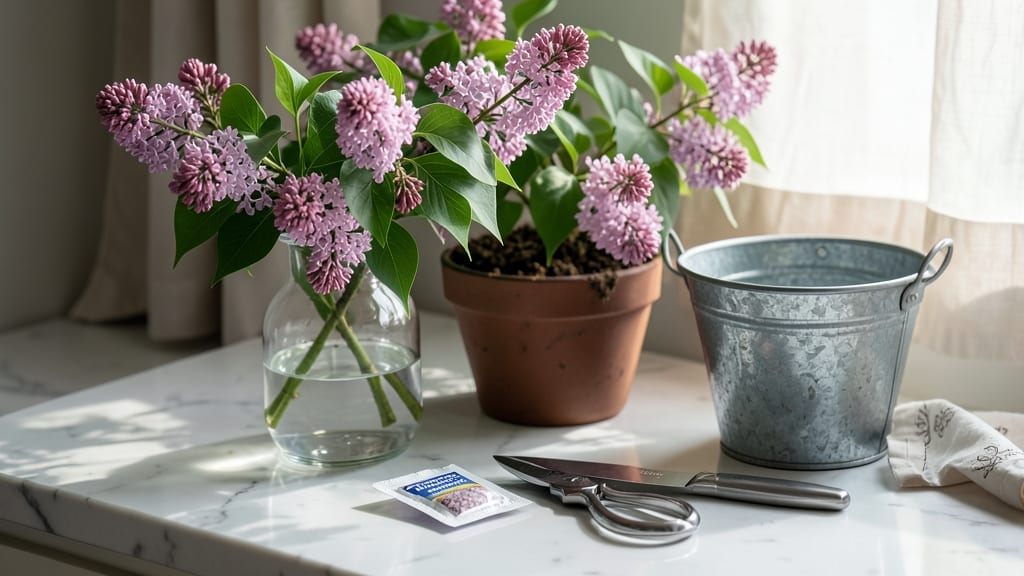
Your how to keep cut lilacs from wilting trick is simple: these blooms lasted three hours before drooping—until I discovered this sugar water hack. 🌸 The secret isn’t just adding sugar; it’s balancing it with the right cutting technique, water, and environment to keep stems hydrated and flowers upright for days.
Most people overlook stem prep: recutting at an angle and soaking stems in cool water for 10 minutes before arranging makes all the difference. Even better, a simple sugar-water solution (1 teaspoon sugar + 1 teaspoon bleach per quart of water) feeds the flowers while preventing bacterial growth.
I’ve kept lilacs fresh for 7+ days using this method—no fancy preservatives needed. The real game-changer? Room temperature and indirect light. Lilacs hate heat and direct sun, which causes rapid wilting. Place them in a spot where they get bright but diffused light, away from vents or radiators.
Even a slight breeze can stress them out, so keep them stable. This trick works for any spring blooms—peonies, tulips, even roses. The key is consistency: change the water every 2 days and trim stems every 3 days to keep them drinking. No more sad, wilted bouquets!
📚 In This Guide
- What you need
- Instructions
- Tips and common mistakes
- Wrapping up and next steps
What you need
- ● Freshly cut lilacs: 1 bunch (or as many stems as you’d like to preserve). Choose stems with fully opened buds for the best results.
- ● Clean, sharp scissors or pruning shears: 1 pair (sterilized with rubbing alcohol to prevent bacterial contamination).
- ● Distilled or filtered water: 1–2 gallons (chlorine-free for best results).
- ● White granulated sugar: 2–3 tablespoons (adjust based on water volume).
- ● Clear vase or clean container: 1 (wide-mouth works best to accommodate stems).
- ● Newspaper or paper towels: 1 roll (for drying stems before cutting).
- ○ Floral preservative: 1 packet (like Floralife) for added longevity (optional but recommended).
- ● Bleach or hydrogen peroxide: A few drops (1/8 tsp) to sterilize water and prevent bacterial growth.
- ● Sharpie or marker: 1 (to label your vase if experimenting with different sugar ratios).
- ● Cooler or shaded spot: A temporary holding area (if prepping lilacs for a future arrangement).
Step-by-step instructions for extending cut lilac blooms
Here's the method I've used for years to keep cut lilacs vibrant for 7-10 days—no special equipment needed.
💧 Step 1: Prepare the Vase with Sugar Water Solution
Fill your vase with lukewarm water (never cold) until it reaches 1 inch below the vase rim. This prevents overflow while keeping stems submerged. Add 1 tablespoon of white granulated sugar per quart of water—this feeds the flowers directly and delays wilting.
Stir gently until the sugar fully dissolves. The solution should look clear, not cloudy. I like to add a splash of household bleach (1/8 teaspoon per quart) to prevent bacterial growth, which causes brown stems and premature wilting. This step is non-negotiable—bacteria will ruin your blooms in 24-48 hours if ignored.
✂️ Step 2: Trim Stems at a Sharp Angle
Use clean, sharp scissors or pruners to cut stems at a 45-degree angle, about 2-3 inches from the base. The angled cut increases surface area for water absorption. I always make this cut under running water to prevent air bubbles from blocking the stem's vascular system.
Remove any lower leaves that would sit below the waterline—they'll rot and foul the water faster. Strip only the bottom 3-4 inches of foliage. You'll see fresh, clean stems ready to drink up that sugar water solution.
🌿 Step 3: Re-cut Stems and Refresh Water Daily
Every 24 hours, recut the stems at a new 45-degree angle while the vase is still full of water. This prevents the stems from sealing shut, which happens naturally as they age. I set a phone reminder because consistency is key—skipping this step cuts vase life in half.
Change the water completely each day, adding fresh sugar and bleach mixture. You'll notice the water turns cloudy within 12-24 hours—that's your cue to refresh. The sugar will dissolve quickly, so stir again before adding stems.
☀️ Step 4: Position for Optimal Display and Care
Place your lilacs in a spot with indirect light—direct sunlight causes petals to wilt faster by increasing evaporation. A kitchen counter near a window works perfectly. Keep them away from drafts, heating vents, or air conditioning—temperature fluctuations stress the blooms.
Gently shake the stems every 2-3 days to redistribute water throughout the stem network. You'll see the flowers perk up noticeably after this treatment. If you notice buds starting to open, trim them off—they'll drain energy from the existing blooms.
🌱 Step 5: Maintain Hydration and Monitor Progress
Check the water level twice daily and top off as needed with plain water (no sugar) to maintain the solution strength. Lilacs are heavy drinkers—expect to add ½ cup daily for a standard bouquet of 4 stems.
Watch for signs of stress: drooping petals or brown edges mean the flowers are thirsty. If you see brown stems, recut immediately and refresh the water. With this method, your lilacs should stay fresh and fragrant for 7-10 days—long enough to enjoy their sweet scent throughout the week.
Tips & tricks for reviving cut lilacs
Here's what nobody tells you about keeping lilacs fresh longer than the grocery store ever could.
The Science Behind the Sugar: That 1 tablespoon of sugar per quart isn't just random—it mimics how flowers naturally get energy from their stems. Lilacs are heavy drinkers and need constant hydration, so the sugar provides the quick energy boost they need to rehydrate properly. For even better results, use organic cane sugar—it dissolves faster and contains trace minerals that support flower health.
Angle Matters More Than You Think: The 45-degree angle cut in Step 2 isn't just decorative—it creates more surface area for water absorption. Use sharp floral shears (not kitchen scissors!) to make clean cuts. If you don't have floral shears, a clean, sharp knife works, but be careful not to crush the stems. The bubbles you see fizzing from the cut stems during the 30-minute soak? That's your confirmation the water's being absorbed properly.
Bleach Isn't the Enemy: That 1/4 teaspoon of bleach per vase isn't harmful to flowers—it's a diluted solution (about 1 part bleach to 10 parts water) that prevents bacterial growth. The tiny amount used here is safe and won't affect the lilacs' appearance or scent. Think of it as a microscopic shield protecting your investment. If you're concerned, you can substitute with 1/4 teaspoon of hydrogen peroxide (3%) instead.
Light and Temperature Secrets: Lilacs thrive in indirect light—they need it to open their buds, but direct sun causes wilting. Position your vase near a north-facing window or about 3 feet from an east or west window. Also, keep them away from heating vents or air conditioning—temperature fluctuations cause stress. The ideal room temperature is between 65-70°F during the day and slightly cooler at night.
Pro Tips for Keep Cut Lilacs From Wilting
- Here's what nobody tells you about keeping lilacs fresh longer than the grocery store ever could.
- The Science Behind the Sugar: That 1 tablespoon of sugar per quart isn't just random—it mimics how flowers naturally get energy from their stems.
- Angle Matters More Than You Think: The 45-degree angle cut in Step 2 isn't just decorative—it creates more surface area for water absorption.
Frequently asked questions
Got questions about keeping your cut lilacs fresh? Here are some common ones—and their answers!
How long will sugar water keep lilacs from wilting?
With the right sugar water solution (1 tsp sugar per cup of water), lilacs can stay fresh for 5–7 days—or even longer if you change the water every 2–3 days. For best results, trim stems at an angle and recut them every few days to improve water uptake.
Can I use regular water instead of sugar water?
Yes, but plain water won’t last as long—usually 2–3 days before wilting. Sugar acts as a preservative by feeding the flowers and preventing bacterial growth. For a budget-friendly alternative, try adding a pinch of bleach (1/8 tsp per quart) to plain water to slow decay.
Do I need to trim the stems before placing them in water?
Absolutely!
Trim stems at a 45-degree angle with sharp scissors or pruners just before placing them in water. This creates a larger surface area for water absorption and reduces air bubbles that can block uptake. Do this every 2–3 days for best results.
Why are my lilacs wilting even with sugar water?
Wilting can still happen if:
- Stems sit out of water for too long (e.g., overnight).
- The water is dirty or bacteria-filled (change it daily!).
- Lilacs are exposed to direct sunlight or heat (keep them in a cool, shaded spot).
- The sugar solution is too weak (double-check the ratio: 1 tsp sugar per cup).
Can I use this trick for other flowers besides lilacs?
Yes! The sugar water method works well for peony, hydrangea, tulip, and even some greenery like eucalyptus. However, avoid using it on flowers sensitive to sugar (like roses or carnations), as it may cause discoloration. Always test a small bouquet first!
Wrapping up and next steps
Keeping cut lilacs fresh isn’t just possible—it’s easy with the right tricks! By using a simple sugar water solution, trimming stems properly, and storing them in cool conditions, your lilacs can stay vibrant for days (or even weeks!).
Remember, patience and consistency are key—your bouquet will thank you with stunning, long-lasting blooms.
Now that you’re armed with these tips, why not put them to the test? Grab your garden shears, mix up that sugar water, and enjoy the beauty of fresh lilacs in every vase. Happy arranging! 🌸