
Companion Plants
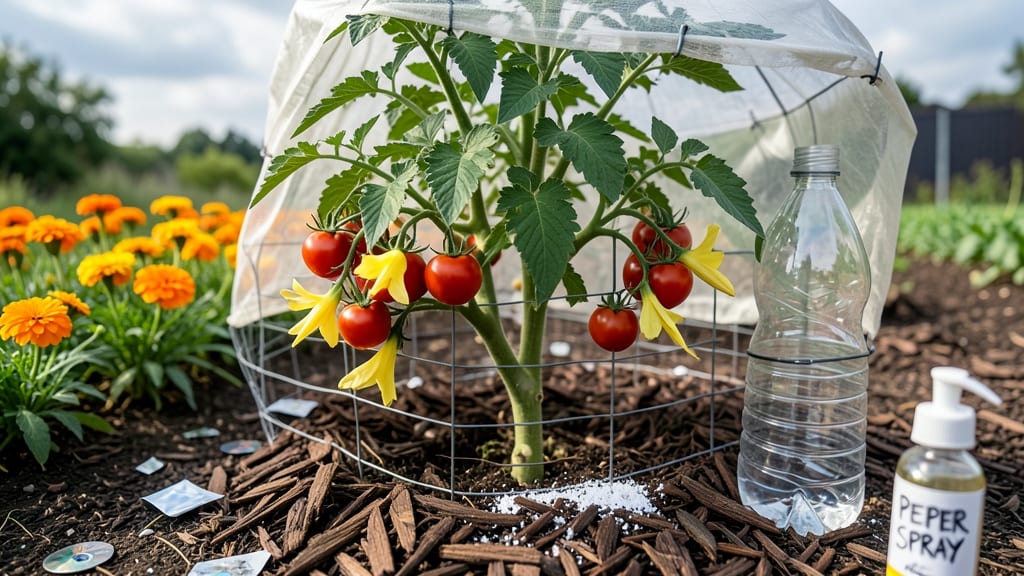
How to keep critters away from tomato plants without poison or traps? 🌱 I’ve lost entire plants to critters—and then discovered these humane barriers that actually work. The secret isn’t fancy gadgets but smart layering: physical shields, plant allies, and a few sneaky tricks that confuse hungry pests. Start with row covers or chicken wire (4-6 inches buried to stop diggers), then add companion plants like basil or marigolds, which mask tomato scent. For squirrels, baffles on stakes throw them off balance. The best part? These methods protect your plants and the local ecosystem—no chemicals, no guilt. By summer’s end, you’ll harvest plump, unscathed tomatoes while critters move on to easier snacks. The key is consistency: check barriers weekly and refresh repellents (like garlic spray) every few weeks. It’s not instant, but it’s foolproof once you set it up right. Works for deer, rabbits, squirrels, and even hungry birds. No more watching your hard work get devoured overnight—just a thriving, critter-proof tomato patch. Let’s get those plants guarded!
📚 In This Guide
- What you need
- Instructions
- Tips and common mistakes
- Wrapping up and next steps
What you need
- ● Fencing or Netting: 1–2 rolls of 1/4-inch hardware cloth or fine mesh netting (at least 3–4 feet tall, depending on critter threats like rabbits or deer).
- ● Bird netting (for airborne pests like birds or hornets).
- ● Stakes or Posts: 6–8 wooden or metal T-posts (4–6 feet long) for securing fencing.
- ● Galvanized nails or zip ties (for attaching netting to stakes).
- ● Companion Plants: Seeds or seedlings for basil, marigolds, or garlic (natural repellents).
- ○ Optional: onion or chive plants for added pest deterrence.
- ○ Organic Sprays (Optional but Helpful): 1–2 spray bottles of neem oil or garlic spray (dilute with water).
- ● Hot pepper spray (for slugs and snails—mix cayenne pepper + water + dish soap).
- ● Mulch: Straw, wood chips, or grass clippings (3–4 inches thick to deter burrowing pests).
- ● Gloves & Pruners: 1 pair of gardening gloves (for handling plants and mulch).
- ● Bypass pruners (to trim back invasive weeds or plants).
- ● Measure first! Lay out your tomato plant area and cut fencing/netting to fit snugly—no gaps for sneaky critters. 🎯
- ● If using companion plants, space them closely around tomatoes (e.g., basil every 12 inches). 🌱
- ● For deer-prone areas, add a second layer of netting or a deer-resistant fence (8 feet tall). 🦌
Step-by-Step instructions for protecting tomato plants from garden critters
Here’s how I shield my tomatoes from pests—no chemicals, just smart, natural barriers that work.
🪴 Step 1: Build Physical Barriers with Row Covers or Cages
Start by installing lightweight floating row covers or wire tomato cages around your plants. I use fine mesh fabric (1/4-inch holes) draped over hoops or stakes to keep out rabbits, squirrels, and even deer. Secure the edges with soil or rocks to prevent critters from burrowing underneath. This is especially critical for young plants, which are most vulnerable when just sprouting.
For established plants, wrap chicken wire loosely around the base—just enough to deter digging animals. The key is creating a barrier that’s sturdy but still allows airflow and sunlight. I’ve found that 18-inch-high cages work best for medium-sized varieties, while taller cages are needed for indeterminate types that grow vertically.
🌱 Step 2: Use Natural Repellents Like Plant-Based Sprays
Mix garlic, hot pepper, or castile soap with water for a non-toxic spray that deters chewing pests. I blend 1 chopped garlic bulb, 1 tablespoon cayenne pepper, and 1 teaspoon dish soap into a quart of water, then strain and spray on leaves. Reapply every 5-7 days or after rain. The strong scent confuses insects and small mammals, making your plants less appealing.
For ground-level threats like slugs and snails, sprinkle crushed eggshells or diatomaceous earth around the base of plants. The sharp edges deter soft-bodied pests without harming your tomatoes. Just avoid overapplying—too much can harm beneficial soil organisms. I focus on a 2-inch band around each plant for maximum effectiveness.
☀️ Step 3: Create Distractions with Companion Planting
Interplant tomatoes with strong-smelling herbs like basil, thyme, or marigolds. These act as natural deterrents by masking the scent of your tomatoes. I arrange basil around the perimeter of my tomato beds, as its fragrance repels flies and beetles while also enhancing flavor. Marigolds, with their bright blooms and pungent roots, confuse deer and rabbits with their overwhelming aroma.
For larger pests, add trap crops like nasturtiums or radishes nearby. These sacrificial plants lure critters away from your tomatoes. I plant a ring of nasturtiums around the edges of my garden—deer and rabbits nibble on them first, leaving my tomatoes untouched. The key is to place these distractions at least 3 feet away so pests don’t wander back to your main crop.
✂️ Step 4: Monitor and Adjust Barriers as Plants Grow
Check your barriers weekly to ensure they’re still intact. Rabbits and deer can chew through weak spots, so reinforce any gaps with additional wire or fabric. I also rotate repellent sprays every few weeks to prevent pests from becoming accustomed to them. If you notice new damage, switch to a different spray or adjust your physical barriers.
For climbing indeterminate varieties, add tall stakes or trellises and wrap them in mesh fabric as they grow. This prevents critters from reaching the fruit once it ripens. I’ve found that 6-foot-tall cages work best for my heirloom tomatoes, keeping them safe from even the most determined squirrels. The goal is to create a mobile barrier that grows with your plants.
Tips & tricks for protecting your tomato plants from garden critters
Real talk: Even the most determined gardeners face critter challenges. Here’s how I’ve learned to outsmart them without resorting to harsh chemicals.
Barrier Placement: When installing your 18-inch-high cages or 6-foot-tall stakes in Step 1, bury the bottom edges at least 6 inches deep to prevent rabbits from digging underneath. I’ve seen them tunnel right through shallow barriers. For extra security, add a 2-inch-wide band of hardware cloth buried around the perimeter—this stops even the most persistent diggers. The key is making the barrier feel like a fortress, not a suggestion.
Spray Rotation Strategy: In Step 2, the 5-7 day reapplication window for your garlic-cayenne spray is non-negotiable—but here’s the secret: alternate between two repellent formulas every other application. I switch between my garlic blend and a citrus peel infusion (peels of 2 oranges + 1 quart water, steeped 24 hours) to confuse pests’ scent receptors. This prevents them from adapting to a single scent, giving you longer protection. Just remember to strain both thoroughly before spraying.
Companion Planting Layout: The 3-foot distance mentioned in Step 3 for trap crops like nasturtiums is critical, but here’s the pro move: create a two-tiered perimeter. Plant your basil and marigolds closest to the tomatoes (within 1 foot), then place the nasturtiums in the outer ring. This layered approach gives you both immediate scent masking and long-term pest diversion. Plus, the basil’s fragrance actually enhances your tomato flavor—it’s a win-win.
Growth-Adaptive Barriers: For indeterminate varieties in Step 4, I’ve found that adjustable trellis systems work better than fixed cages. Use flexible wire hoops connected to vertical stakes that you can extend as your plants grow. This lets you maintain that mesh fabric wrap without constantly replacing taller cages. I add new sections every 2-3 weeks during peak growth, which keeps squirrels from reaching the fruit as it ripens higher.
Pro Tips for Keep Critters Away From Tomato Plants
- Real talk: Even the most determined gardeners face critter challenges.
- Barrier Placement: When installing your 18-inch-high cages or 6-foot-tall stakes in Step 1, bury the bottom edges at least 6 inches deep to prevent rabbits from digging underneath.
- Spray Rotation Strategy: In Step 2, the 5-7 day reapplication window for your garlic-cayenne spray is non-negotiable—but here’s the secret: alternate between two repellent formulas every other application.
Frequently asked questions
What’s the best time of year to set up critter barriers?
Install barriers before planting—especially for deer, rabbits, and squirrels. Early spring (when seedlings go in) is ideal. For birds, use netting as soon as flowers appear (they love those juicy tomatoes!). If pests are already attacking, act fast—even a few days can make a difference. Pro tip: Check local wildlife activity patterns to time your defenses!
Are there humane alternatives to repellents with strong smells?
Skip harsh chemicals—try homemade sprays like garlic-chili water (blend 2 garlic cloves + 1 tbsp cayenne + 1 quart water, strain, and spray). Companion plants like basil, marigolds, or nasturtiums also deter pests naturally. For ground critters, crushed eggshells around the base work like tiny, harmless spikes.
How do I keep birds from pecking ripe tomatoes without harming them?
Birds are tricky! Use fine-mesh netting (like bird netting) draped loosely over plants—secure it with stakes or bricks to avoid crushing stems. Scare tactics like old CDs hung from strings or a wind spinner can also work. Avoid loud noises near dusk (when birds forage). Harvest early if possible—green tomatoes are less tempting!
Yes, but act immediately. First, remove damaged fruit (it attracts more pests). Then, reinforce barriers—add netting, repair holes, or boost companion plants. For slugs/snails, beer traps (bury a cup filled with beer) can help overnight. Monitor daily until new growth appears—pests often return if defenses are inconsistent. With a little TLC, yes! Clean netting with soapy water and bleach (1:9 ratio) to kill pests/eggs. Store it dry in a mesh bag to prevent mold. Wooden stakes? Sand and treat with borax to deter termites. Pro tip: Label your stash with the year—some pests (like squash bugs) hide in old mulch or debris, so refresh organic matter annually. Will barriers work if I already have chewed leaves or missing fruit?
Can I reuse barriers from last year’s garden?
Wrapping up and next steps
Keeping critters at bay from your tomato plants doesn’t have to mean harsh chemicals or complicated setups—just a few simple, humane barriers and smart strategies can make all the difference!
From companion planting to DIY fencing, you now have natural, effective tools to protect your hard work while fostering a garden ecosystem that thrives. 🌱
Ready to put your new knowledge into action? Start by picking one or two methods that fit your garden’s needs, then gradually expand as you see what works best. Your future tomato harvest—and your peace of mind—will thank you! 🍅✨