
Pests
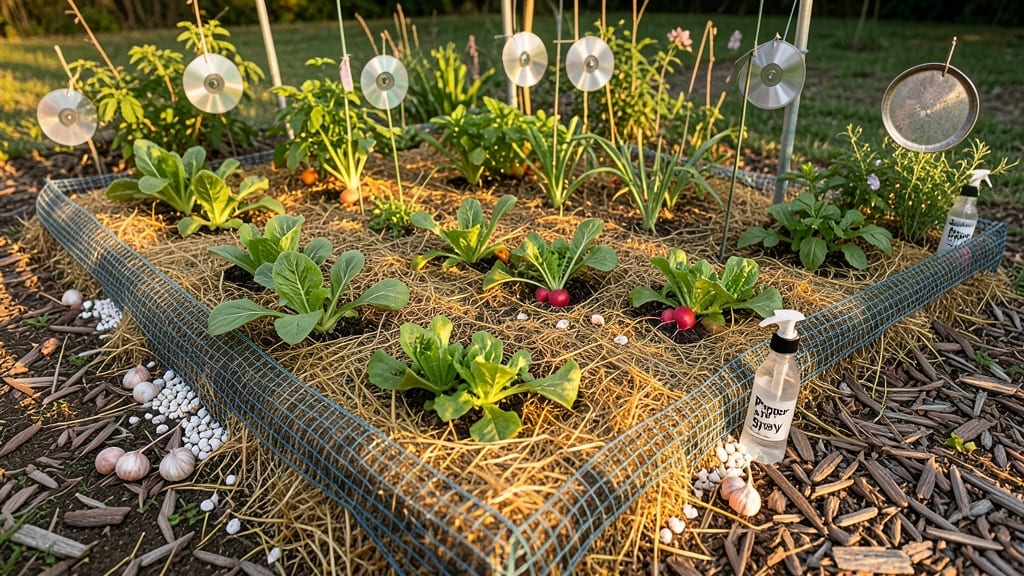
How to keep critters away from your garden without turning it into a wildlife buffet—my first attempt ended with an entire row of lettuce vanished overnight. After losing patience with chemical sprays (and my conscience with the idea of harming the very creatures I was trying to deter), I realized there had to be a smarter way. The solution? A mix of clever, humane barriers that protect plants while keeping ecosystems in balance.
What actually works? A blend of physical defenses (like chicken wire for rabbits or copper tape for slugs), natural repellents (crushed garlic, strong-smelling herbs, or even predator urine—yes, really), and small habitat tweaks that make your garden less appealing.
The best part? These methods are reusable, chemical-free, and won’t harm pollinators or the soil.
By the time you’re done, you’ll have a garden that’s critter-proof without the guilt—and you’ll know exactly which tactics work best for your specific pests. No more waking up to chewed leaves or missing seedlings, just a thriving, protected space where you can finally enjoy the rewards of your labor.
And the best news? Most of these solutions use supplies you already have around the house. Let’s turn that garden back into yours—not the neighborhood’s all-you-can-eat buffet.
📚 In This Guide
- What you need
- Instructions
- Tips and common mistakes
- Wrapping up and next steps
What you need
- ● Hardware cloth or wire mesh: ¼-inch to ½-inch mesh (10–20 ft, depending on garden size). Pro tip: 💡 Galvanized steel lasts longer!
- ● Stakes or rebar: 12–18 inches long (1–2 per 4 ft of barrier).
- ● Garden twine or zip ties: For securing mesh to stakes.
- ● Poultry netting: ½-inch mesh (10–15 ft roll). Bonus: 🌡️ Works for above-ground veggies too!
- ● Pruning shears: For trimming plants or netting.
- ● Gloves: Heavy-duty for handling mesh or thorny plants.
- ○ Spray bottle: For watering down deterrents like hot pepper spray (optional but handy).
- ● Reflective tape or old CDs: Hang near garden edges to scare birds with flashes.
- ● Essential oils (peppermint, citrus): Mix with water for a natural spray.
- ● Motion-activated sprinklers: Solar-powered for automated critter deterrence.
- ● Compost or mulch: Extra layer to bury mesh edges and deter digging.
- ● Plant-based repellents: Marigolds, garlic, or lavender near vulnerable areas.
Step-by-step instructions for creating humane critter barriers
Here's the foolproof method I've used to protect my garden—no poisons, no traps, just smart, natural deterrents.
🪴 Step 1: Identify and Assess Problem Areas
Walk your garden and spot where critters are getting in or leaving damage signs. Look for chewed leaves, dug-up soil, or tiny paw prints near plants. I focus on three key zones: entry points (like gaps under fences), favorite snack spots (tender young plants), and shelter areas (dense mulch piles or wood debris).
Make notes of what you see—rabbits leave clean-cut edges on stems, squirrels bury nuts in loose soil, and deer browse along property edges. This helps you tailor solutions. For example, if you see deer tracks, you'll need taller barriers than for rabbits.
🌱 Step 2: Install Physical Barriers at Entry Points
For ground-level pests like rabbits, create a 2-foot tall barrier using hardware cloth (not chicken wire—rabbits can chew through it). Bury the bottom 6 inches deep or extend it outward at a 45-degree angle to prevent digging. I use the 16-inch wide hardware cloth from my materials list to wrap around existing fences or garden beds.
For above-ground foragers like squirrels, install fine mesh netting over raised beds or hang it between trees. Secure it tightly—even a 1-inch gap lets squirrels through. For deer, use 8-foot tall fencing with no gaps larger than 4 inches, and angle the top outward to discourage climbing.
💧 Step 3: Use Natural Repellents Around Plants
Plant critter-confusing herbs like rosemary, lavender, and thyme near vulnerable plants—deer and rabbits dislike their strong scents. I also sprinkle crushed red pepper flakes (from my list) around the base of plants; the capsaicin irritates their noses without harming them. Reapply after rain or every 3-4 days for best results.
For a longer-lasting solution, mix 1 part castile soap with 3 parts water in a spray bottle and apply to foliage. The scent lingers and deters most garden pests. Avoid spraying on hot days—the soap can damage leaves. Test on a small area first to check for sensitivity.
✂️ Step 4: Create Motion and Sound Deterrents
Hang wind chimes, old CDs, or reflective tape near problem areas. The movement and noise startle critters without harming them. I place mine 3-4 feet above ground level where animals are most active. For persistent deer, install a solar-powered motion-activated sprinkler—the sudden burst of water scares them away and saves water.
If you have a small garden, scare tape (the shiny, fluttering strips) works surprisingly well. Hang it 6-8 feet high where animals can see it but not reach. Replace every 2-3 weeks when it stops moving effectively. Combine this with other methods for best results.
☀️ Step 5: Maintain and Monitor Your Barriers
Check your barriers weekly, especially after rain or storms. Repair any gaps in fencing, reapply natural repellents, and replace worn-out motion deterrents. I keep a small toolkit handy with zip ties, staples, and extra hardware cloth for quick fixes. Pay extra attention to areas where plants are newly planted or vulnerable.
Keep a garden journal to track what works and what doesn't. Note which barriers critters ignore and adjust your strategy. For example, if rabbits keep tunneling under the hardware cloth, extend the buried section deeper or add a gravel barrier on top of the soil. Persistence pays off—most critters give up after a few failed attempts!
Tips & tricks for creating effective critter barriers
Here's what I've learned from years of protecting my garden without harming wildlife—these little details make all the difference.
Barrier Height Matters: When installing your 2-foot hardware cloth barrier for rabbits, remember that their burrowing instincts are strong. The key is to extend the bottom edge outward at a 45-degree angle for at least 6 inches. This creates an effective barrier against digging while keeping your plants protected. I've found that adding a 6-inch extension prevents rabbits from simply tunneling underneath—something I learned the hard way after losing an entire row of lettuce.
Seasonal Scent Rotation: Critters develop scent tolerance over time, so rotate your deterrents every 3-5 days or after rain. I keep a small container of each scent-based deterrent—granulated garlic, cayenne pepper, and predator urine—and alternate them around my garden. This rotation keeps the scents fresh and effective. For extra potency, I've started mixing a pinch of cayenne with water and spraying it on plant leaves—it repels without harming.
Motion Deterrent Placement: When setting up your motion-activated deterrents like wind chimes or solar lights, position them strategically along garden edges where critters approach. I place mine about 3 feet from the garden perimeter so they create a "no-go zone" without being too close to scare off beneficial insects like bees. The key is to make your garden feel unwelcoming without making it completely inhospitable to wildlife.
Deer-Proofing with Plants: For deer-resistant barriers, I've discovered that combining physical fencing with strategically placed plants works best. Plant lavender or Russian sage in a dense border around your garden—their strong scent deters deer while adding beautiful foliage. I also interplant daffodils among my vegetables; deer avoid them, and they bloom beautifully in spring. This natural barrier approach gives you both protection and aesthetic benefits.
Pro Tips for Keep Critters Away From Garden
- Here's what I've learned from years of protecting my garden without harming wildlife—these little details make all the difference.
- Barrier Height Matters: When installing your 2-foot hardware cloth barrier for rabbits, remember that their burrowing instincts are strong.
- Seasonal Scent Rotation: Critters develop scent tolerance over time, so rotate your deterrents every 3-5 days or after rain.
Frequently asked questions
Got more questions about keeping critters out of your garden? Here are some common ones—and their answers—to help you protect your plants without harming wildlife.
What’s the best time of year to set up barriers?
Install barriers before critters become a problem—typically in early spring (March–April) for most pests like rabbits, deer, or squirrels. For insects (e.g., slugs, beetles), apply preventive measures in late spring or early summer when they’re most active. A little prep work now saves headaches later!
Will these barriers harm plants or soil?
Nope! Humane barriers like hardware cloth, fencing, or organic sprays are plant-safe and won’t contaminate soil. Just avoid synthetic pesticides or traps that can leave residues. For extra peace of mind, opt for natural repellents like neem oil or garlic spray—they’re gentle yet effective.
How often do I need to maintain barriers?
Check your barriers weekly for damage (e.g., chewed fencing, gaps in netting) and repair them promptly. Seasonal pests like deer or raccoons may test barriers more aggressively in fall, so a quick inspection before harvest time is key. Think of it like gardening insurance!
Are DIY barriers cheaper than buying pre-made ones?
Yes! DIY options like chicken wire fencing, mulch barriers, or homemade sprays (e.g., vinegar + water) cost far less than commercial traps or chemical sprays. For example, a 50-foot roll of hardware cloth (~$20) can protect a small veggie patch for years—way better than disposable repellents.
What if critters keep coming back despite barriers?
If pests persist, you may need to layer defenses:
- Add motion-activated sprinklers for ground-dwelling critters.
- Use ultrasonic devices (for small mammals like mice).
- Plant repellent companions (e.g., marigolds for rabbits, lavender for deer).
Wrapping up and next steps
Keeping critters out of your garden doesn’t have to mean harsh chemicals or expensive traps—simple, humane barriers can make all the difference! 🌱 From fences and mulch to companion planting and natural repellents, these methods protect your plants while respecting wildlife. Start small, experiment with what works best, and soon you’ll have a thriving, critter-free garden that’s the envy of the neighborhood.
Ready to take action? Pick one or two strategies from this guide, gather your supplies, and give it a try this weekend! Your garden—and your sanity—will thank you.