
Vegetables
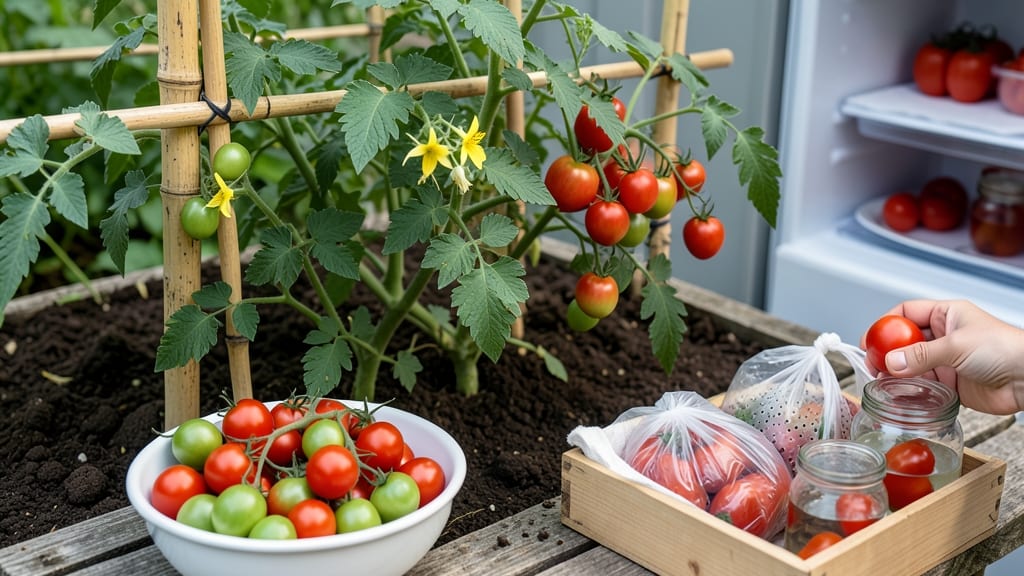
How to keep cherry tomatoes fresh longer—those perfect little jewels can spoil faster than you’d think, turning mealy in days. 🌱 The vinegar rinse and paper towel trick extends their life by 5-7 days without refrigeration, and it works even on store-bought ones. I've saved entire harvests this way after learning the hard way that plastic bags and cold storage actually speed up rot.
The secret lies in two simple steps: a quick vinegar soak to kill surface bacteria and a dry paper towel layer to absorb excess moisture. Most people overlook humidity control—tomatoes rot from trapped moisture, not just time.
This method keeps them firm, flavorful, and free from that dreaded "canned tomato" texture.
You'll notice the difference immediately after handling: skins stay glossy, stems stay crisp, and the sweetness holds up longer. Even slightly soft tomatoes benefit—just trim the damaged spots and treat them like fresh ones. The best part? No fancy equipment needed beyond what's in your pantry.
Works for vine-ripened harvests, grocery store buys, or those "almost gone" tomatoes lurking in your fridge. Here's exactly how to do it—no more wasting perfectly good tomatoes on day three.
📚 In This Guide
- What you need
- Instructions
- Tips and common mistakes
- Wrapping up and next steps
What you need
- ● Fresh cherry tomatoes – Any quantity (whole, unwashed if possible)
- ● White vinegar (or apple cider vinegar) – 1 cup (240 mL) for a rinse solution
- ● Water – Enough to fill a bowl or sink for rinsing
- ● Paper towels – 2-3 sheets (thick, absorbent kind works best)
- ○ Clean colander or strainer – Optional but helpful for draining
- ● Air-tight container or resealable plastic bag – For storage (e.g., Tupperware, Ziploc)
- ● Small bowl or mixing cup – For the vinegar-water mix
- ○ Kitchen towel or clean cloth – For drying (optional but recommended)
- ● Food-grade hydrogen peroxide (3%) – 1 tbsp (15 mL) per cup of water (for extra sanitizing)
- ● Salad spinner – Speeds up drying time
- ● Silicone fruit separator – Prevents bruising in storage
- ● Baking sheet – For air-drying tomatoes (if prepping in bulk)
Step-by-step instructions for preserving cherry tomatoes
No more sad, mealy tomatoes in your fridge—this easy two-step method keeps them crisp and juicy for days.
💧 Step 1: Rinse and Dry Thoroughly
Start by rinsing your cherry tomatoes under cool water to remove any dirt or wax coating. Use your hands to gently roll them while rinsing—this loosens debris from crevices. I like to place them in a colander and swirl them around for about 10 seconds to ensure they're clean without bruising.
Drain them well, then pat them dry with a clean kitchen towel. Moisture is the enemy here—it speeds up spoilage by creating an ideal environment for mold and softening. For extra crispness, I spread them out on a paper towel-lined plate and let them air-dry for 5-10 minutes until completely dry to the touch.
🍶 Step 2: Vinegar Rinse for Extra Freshness
In a large bowl, mix 1 cup white vinegar with 3 cups cold water. The vinegar acts as a natural preservative, slowing down the breakdown of cell walls that causes tomatoes to soften. Dip each tomato into the solution for about 10 seconds, then remove and let it drip dry on a clean towel.
Here's the thing—don't skip the drying step after the vinegar rinse. Any residual moisture will make the tomatoes soggy and accelerate spoilage. I find it helpful to place them on a wire rack over a baking sheet to catch drips while they finish drying completely.
🪴 Step 3: Store in Paper Towel-Lined Container
Line a shallow container with paper towels—this absorbs excess moisture that tomatoes naturally release. Place the dried tomatoes in a single layer, making sure they're not touching each other. I use a plastic container with a lid that has ventilation holes, or I simply cover the container loosely with plastic wrap if it's airtight.
Store them in the refrigerator, where they'll stay fresh for 5-7 days instead of the usual 2-3. The key is checking them every 2 days—replace any paper towels that get damp, and remove any tomatoes that start to soften. This keeps the rest from spoiling too quickly.
⏰ Step 4: Daily Maintenance for Maximum Freshness
Every 24 hours, give your tomatoes a quick check. Remove any that have started to soften or develop mold—these can contaminate the others. I also like to gently rotate the container so all tomatoes get even exposure to the air circulating inside.
If you notice condensation inside the container, that's your sign to replace the paper towels immediately. The goal is to keep everything dry while still allowing airflow. With this method, you'll get that perfect balance of firmness and flavor—no more mealy, flavorless tomatoes!
Tips & tricks for perfectly fresh cherry tomatoes
Here's what nobody tells you about keeping your tomatoes crisp and vibrant—these tricks make all the difference.
Rinsing Technique: When rinsing those 10 seconds in the colander, I've found that adding a splash of cold water to the colander helps lift dirt from the crevices more effectively. Also, use a gentle touch—squeezing tomatoes can bruise them, making them spoil faster. After rinsing, I double-check by shaking the colander gently; any dirt should fall away easily.
Drying is Non-Negotiable: The 5-10 minutes of air-drying might feel like forever, but trust me on this. I once skipped this step and had soggy tomatoes within 24 hours. Lay them on a clean kitchen towel, not paper towels—cotton absorbs moisture better. If you're in a hurry, use a salad spinner to remove excess water after the vinegar rinse, then let them air-dry for just 2 minutes before storing.
Vinegar Ratio Matters: That 1 cup white vinegar to 3 cups water ratio is perfect, but here's the catch: use white vinegar, not apple cider or balsamic. The acidity level needs to be consistent for proper preservation. After dipping, I let them drip dry on a cooling rack placed over a baking sheet—this catches any drips and prevents soggy spots in your storage container.
Storage Container Strategy: For the 5-7 days of freshness, I've found that a wide, shallow container works best. If you don't have one with ventilation holes, poke a few small holes in regular plastic wrap with a fork before covering. This allows airflow while keeping pests out. I also like to store them in the crisper drawer—the higher humidity there helps maintain moisture balance without causing sogginess.
Pro Tips for Keep Cherry Tomatoes Fresh Longer
- Here's what nobody tells you about keeping your tomatoes crisp and vibrant—these tricks make all the difference.
- Rinsing Technique: When rinsing those 10 seconds in the colander, I've found that adding a splash of cold water to the colander helps lift dirt from the crevices more effectively.
- Drying is Non-Negotiable: The 5-10 minutes of air-drying might feel like forever, but trust me on this.
Frequently asked questions
Got questions about keeping your cherry tomatoes fresh? You’re not alone! Here are some common queries—and the answers to help you save every juicy bite.
Can I use this trick on regular tomatoes too?
The vinegar rinse and paper towel drying method works for all tomato varieties, including beefsteak, Roma, or heirlooms. Just adjust the quantity—regular tomatoes may need a slightly longer drying time (10–15 minutes) to prevent moisture buildup.
How long will cherry tomatoes last with this method?
With proper storage (a sealed container or breathable bag with paper towels), cherry tomatoes can stay fresh for 7–10 days in the fridge. If you skip the fridge, they’ll last 3–5 days at room temperature—though they’ll soften faster. Check for wrinkling or mold as signs it’s time to use them up!
Is vinegar safe to use on tomatoes I’ll eat raw?
Yes! The vinegar rinse is food-safe and removes surface bacteria, but rinse with cold water afterward to remove any residue. Use a mild solution (1 tbsp white vinegar per 4 cups water) and pat dry thoroughly. No need to worry—it won’t affect flavor or safety.
What if my tomatoes are already soft or moldy?
If they’re soft but not moldy, salvage them by chopping for sauces, salsas, or roasting. For moldy tomatoes, discard them immediately—mold spreads quickly and isn’t safe to cut away. To prevent future spoilage, store tomatoes stem-side down and avoid washing until ready to use.
Can I store cherry tomatoes with other veggies?
It’s best to store them separately from ethylene-sensitive veggies like lettuce, cucumbers, or broccoli, which speed up ripening. Keep them in the crispier drawer of your fridge (not the door) for optimal freshness. If storing with herbs, use a paper towel to absorb excess moisture.
Wrapping up and next steps
Keeping cherry tomatoes fresh is easier than you think! With a simple vinegar rinse and the paper towel trick, you can extend their shelf life while preserving their flavor and texture.
Now that you’re armed with these tips, give it a try and enjoy juicy, fresh cherry tomatoes for days! Next, why not experiment with creative ways to use them—salads, skewers, or even homemade salsa? 🌱 Your taste buds (and wallet) will thank you!