
Pests
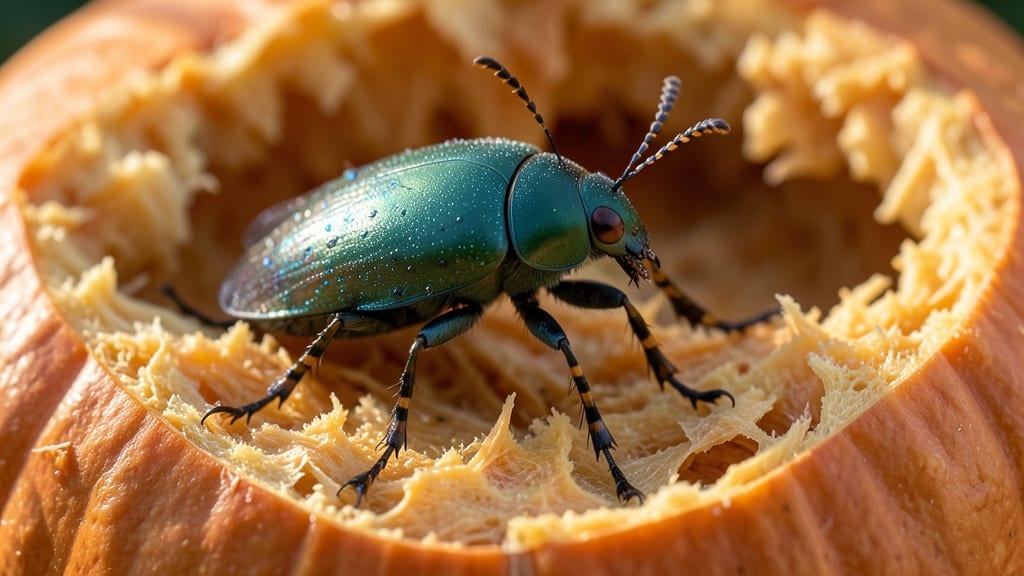
How to keep bugs off carved pumpkins—your jack-o’-lanterns are turning into bug buffets overnight. 🌱 I’ve lost count of how many pumpkins I’ve watched get riddled with flies and mold—until I discovered this boiling water trick that smothers eggs before they hatch. The problem starts when flies lay eggs in the carved flesh. Within days, maggots hatch and turn your jack-o’-lantern into a slimy mess. But boiling water creates a natural barrier: pour it over the carved edges, and the heat kills eggs instantly while sealing the surface. You’ll end up with pumpkins that stay fresh for 2+ weeks—no more soggy, maggot-infested disasters. The method is simple, chemical-free, and works even on pumpkins with deep carvings. For extra protection, store them in a cool, dry place and reapply the treatment every few days. Here’s how to do it right!
The Real Culprits Behind Pumpkin Invaders
Carved pumpkins are a seasonal staple—but they’re also a buffet for hungry pests. Understanding why bugs flock to your jack-o'-lanterns is the first step to keeping them bug-free. Below, we break down the science behind the invasion, so you can outsmart the critters before they strike.
Freshly carved pumpkins ooze sap and moisture from their exposed flesh—like a neon sign for insects. Why? Bugs like fruit flies, fungus gnats, and even ants are drawn to damp, organic surfaces.
The sugars and nutrients in pumpkin pulp act as a fertilizer for microbial growth, which in turn attracts more pests. Even a thin layer of moisture can create the perfect breeding ground for eggs and larvae.
💡 Pro Tip: Pat the inside of your pumpkin dry with a paper towel before carving. If you’re reusing a pumpkin, let it sit in a dry, well-ventilated spot for 24 hours to evaporate excess moisture.
Pumpkins are packed with natural sugars and starches—delicious to us, but a feast for insects. Once carved, the exposed flesh begins to break down, releasing odors that signal "free food" to pests. Common culprits include:
- Fruit flies – Drawn to fermenting sugars.
- Houseflies – Attracted to decaying organic matter.
- Beetles (like carpet beetles) – Seek out protein-rich pumpkin seeds.
Even a small scrape or cut can accelerate spoilage, turning your pumpkin into a pest paradise within days.
🌡️ Science Note: Bacteria and yeast thrive on pumpkin flesh at room temperature. The warmer the environment, the faster the decomposition—and the stronger the scent lure.
Female insects target pumpkins for egg-laying because the moist, nutrient-rich environment gives their offspring the best chance of survival. Key trouble zones:
- Carved edges – The jagged, damp surfaces are ideal for depositing eggs.
- Stem area – A natural entry point with residual moisture.
- Seed cavities – Warm and sheltered, perfect for hiding larvae.
Within 24–48 hours, eggs can hatch into maggots or larvae, turning your pumpkin into a wriggling, stinking mess. Some bugs, like cluster flies, even overwinter in pumpkins, making them a long-term problem if left unchecked.
✨ Did You Know? Some moths (like Indian meal moths) lay eggs in dried pumpkin remnants left behind after carving—so even "cleaned-out" pumpkins aren’t safe!
Pumpkins release volatile organic compounds (VOCs) as they spoil—think of it as a chemical distress call for insects. Common scent triggers:
- Ethanol – Produced as sugars ferment (a major attractant for flies).
- Acetic acid – Smells like vinegar and draws fruit flies.
- Ammonia – Released as proteins break down (beetles and roaches love this).
Even a single pumpkin in a porch display can emit enough scent to attract pests from yards away. And once one bug arrives, it leaves pheromone trails, inviting more of its kind.
🎯 Actionable Insight: If you notice flies buzzing near your pumpkin before it shows visible signs of spoilage, it’s already sent out the scent signal—time to act fast!
Quick Fixes for Bug-Proof Pumpkins
Now that you know why those pesky critters are crashing your Halloween party, let’s tackle how to stop them in their tracks—without resorting to toxic sprays or last-minute panic. The good news? Most solutions are simple, natural, and budget-friendly.
Below, we’ve mapped the most common causes of pumpkin invasions to easy, step-by-step fixes, plus pro tips to keep your jack-o’-lanterns bug-free all season long.
Fix: Seal the Deal Before They Do
Pumpkins are basically open invitations to fruit flies, moths, and beetles—especially if your carving left jagged edges or deep gouges. Close those gaps with these tricks:
- Smooth the Edges First
- Before carving, run a hot knife (dipped in boiling water) along the outline to sterilize and seal the skin slightly. 🔥
- For deeper cuts, dab a tiny bit of petroleum jelly (like Vaseline) around the edges—it creates a slippery barrier bugs hate to cross.
- Use a Natural Sealant - Mix 1 part white vinegar + 1 part water in a spray bottle. Lightly mist the carved areas—vinegar’s acidity disrupts bug pheromones and dries out potential egg-laying spots. - For extra defense, try food-grade mineral oil (like olive oil) on a cotton swab.
It’s non-toxic but clogs tiny crevices where eggs might hide.
- Cover the Top
- If your pumpkin has a wide opening, prop a small piece of cheesecloth or fine mesh over it with a rubber band. Bugs can’t squeeze through, but light still shines through for that spooky glow.
💡 Pro Tip: If you’re carving multiple pumpkins, use a sterilized nail to poke tiny drainage holes at the bottom before carving. This prevents moisture buildup—a bug magnet!
Fix: Slow Decay with Science
A pumpkin’s natural sugars turn sticky and fermented in days, which is like kryptonite to fruit flies. Fight back with these decay-delay tactics:
- The Boiling Water Barrier (Your Secret Weapon) - After carving, pour boiling water into the pumpkin’s cavity.
The heat kills existing eggs and creates a steam barrier that repels flies for 24–48 hours. 🌡️ - For extra staying power, add 1 tsp of cinnamon or cloves to the water—these spices mask the pumpkin’s scent (which bugs use to find it).
- Dry the Inside Out
- After boiling, pat the cavity dry with paper towels. Moisture = bug buffet. Then, stuff the inside with:
- Crushed dried herbs (rosemary, mint, or bay leaves)—their strong aroma confuses insects.
- Cotton balls soaked in vodka or rubbing alcohol (the fumes deter pests).
- After boiling, pat the cavity dry with paper towels. Moisture = bug buffet. Then, stuff the inside with:
- Freeze It Overnight (For Long-Term Display)
- If your pumpkin isn’t for immediate use, place it in the freezer for 4–6 hours. The cold stuns eggs and larvae, giving you a clean slate when you carve.
✨ Pro Tip: Avoid leaving pumpkins in direct sunlight—heat speeds up decay. Display them in a cool, shaded spot (like a porch with afternoon shade) to extend freshness.
Fix: Make Your Pumpkin Unwanted Real Estate
Spiders and centipedes love dark, sheltered spots—your carved pumpkin is basically a five-star hotel. Kick them out with these non-lethal evictions:
- Citrus Peel Barrier
- Rub orange or lemon peels along the pumpkin’s edges and inside the cavity. The citric acid repels spiders and leaves a fresh scent (instead of rotting pumpkin).
- Diatomaceous Earth (Food-Grade Only!)
- Sprinkle a thin layer of food-safe diatomaceous earth (DE) inside the pumpkin. It’s a natural desiccant—it dries out bugs’ exoskeletons without harming pets or kids. 🚫🕷️
- Reapply every 2–3 days if it gets damp.
- Essential Oil Spray
- Mix 10 drops of peppermint or tea tree oil with 1 cup of water in a spray bottle. Lightly mist the outside and inside of the pumpkin. Spiders hate mint, and tea tree oil disrupts their trails.
🎯 Pro Tip: If you spot a spider, flick it out with a damp paper towel—don’t squish it! Dead bugs leave scent trails that attract more pests.
Fix: Light Up Without the Bug Buffet
Nothing says Halloween like a glowing jack-o’-lantern, but real flames = bug magnet. Try these safe alternatives:
- LED or Battery Candles
- Zero risk of attracting moths or fire hazards. Opt for warm-white LEDs (they mimic real flame light better than cool tones).
- Solar-Powered Lights
- Place battery-operated solar lights around the pumpkin’s base. The moving light confuses flying insects.
- Citronella or Vanilla-Scented Candles
- If you must use a real flame, citronella or vanilla-scented candles repel bugs better than unscented ones. 🕯️
🔥 Pro Tip: Avoid yellow flame candles—they attract moths like a dinner bell. Stick to white or clear flames for a spooky (but bug-free) vibe.
Want to skip the last-minute fixes? Follow this pre-carving prep to keep bugs away all season:
- Pick the right pumpkin: Choose smaller, denser varieties (like Sugar Pie or Cinderella) over giant ones—they decay slower.
- Carve early: Do it 2–3 days before Halloween so the pumpkin has time to dry out naturally.
- Store uncarved pumpkins: Keep them in a cool, dry place (like a garage) until carving day.
- Clean your tools: Sterilize knives and tools with rubbing alcohol between pumpkins to avoid cross-contamination.
- Display smart: Place pumpkins elevated (on a table or stand) to reduce contact with dirt/bugs on the ground.
Frequently asked questions
Why does boiling water work so well against pumpkin bugs?
The boiling water creates a steam barrier that kills fly eggs and larvae on contact while sealing the pumpkin’s surface. The heat also denatures proteins in the pumpkin flesh, slowing decay and removing the scent signals that attract pests. For best results, use freshly boiled water with a pinch of cinnamon to mask odors.
Can I reuse last year’s pumpkin carving tools safely?
Never reuse tools without sterilizing them first! Wipe blades and tools with rubbing alcohol or bleach solution (1:10 ratio) between pumpkins to prevent cross-contamination. Pumpkin bacteria and mold spores can survive on tools for months. Pro tip: Store tools in a sealed container with dried rosemary to repel pests year-round.
What’s the best way to store carved pumpkins overnight?
Store them in a cool, dry place (like a garage or basement) with good airflow. Place them on a wire rack (not directly on surfaces) and cover with a breathable cloth to block dust while allowing moisture to escape. Avoid plastic bags—they trap humidity and accelerate spoilage. For extra protection, give the cavity a quick spray of vinegar solution before storing.
Are there any pumpkin varieties that resist bugs better?
Yes! Sugar Pie and Cinderella varieties have denser flesh that decays slower than giant carving pumpkins. Their thicker skin also resists punctures where bugs can lay eggs. For maximum longevity, choose smaller pumpkins (under 10 pounds)—they dry out faster and stay fresh longer. Pro tip: Look for pumpkins with smooth, unblemished skin at the patch.
What should I do if my pumpkin already has maggots?
Don’t panic! Dump the pumpkin’s contents in a sealed bag and dispose of it immediately. Scrub the cavity with hot, soapy water and rinse with vinegar solution to kill remaining eggs. For the pumpkin itself, apply food-grade diatomaceous earth inside and let it sit for 24 hours before reusing. If the pumpkin is heavily infested, it’s safer to start fresh with a new one.