
Pests
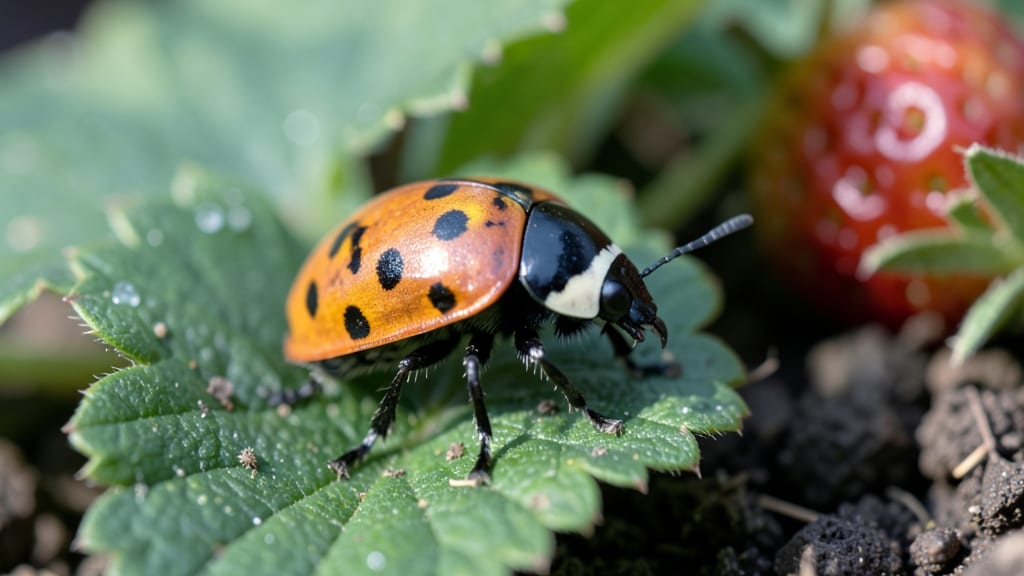
How to keep bugs from eating strawberries—the frustration of watching slugs and beetles turn your harvest into Swiss cheese is all too familiar. I’ve lost count of the times I’ve watched pests devour my strawberries—until I discovered this cold frame shield trick that actually works. The secret isn’t just repelling pests; it’s creating a fortress they can’t crack without you lifting a finger.
This method combines physical barriers, smart timing, and natural deterrents—no chemicals needed. You’ll use lightweight row covers, reflective mulch, and a few strategic plants to confuse pests while keeping your berries safe.
The best part? It works for June-bearing and everbearing varieties, even in humid climates where bugs thrive.
By the end of this, you’ll have a foolproof system that keeps strawberries plump, sweet, and pest-free. No more waking up to half-eaten berries or spraying toxic solutions. The shield stays in place until harvest, so you can relax while your plants do the heavy lifting.
Works for backyard beds, raised planters, and even container gardens. Let’s build that shield—your strawberries will thank you at harvest time.
📚 In This Guide
- What you need
- Instructions
- Tips and common mistakes
- Wrapping up and next steps
What you need
- ● 1-2 clear or translucent plastic sheets – 4’ x 8’ (or large enough to cover your cold frame). Use UV-resistant plastic to prevent yellowing.
- ● 1 cold frame kit – Pre-built or DIY frame (wooden or metal) with a base and sloped top. Size should match your garden bed (e.g., 3’ x 4’).
- ● Heavy-duty zip ties or screws – To secure the plastic tightly. 10-20 zip ties or 4-6 screws (with washers) should suffice.
- ○ Insulation material (optional but recommended) – Straw, cardboard, or bubble wrap for the base to regulate temperature.
- ● Small mesh screen (1/4” or finer) – 1-2 ft² to cover ventilation holes (if your frame has them).
- ● Strawberry plants – Healthy, pest-free seedlings or bare-root plants.
- ● Garden soil or compost – Well-draining, enriched with organic matter.
- ● Scissors or a utility knife (for cutting plastic)
- ● Measuring tape
- ● Drill (if using screws)
- ● Pliers (for zip ties)
- ● Gloves (to protect your hands while handling materials)
- ● Reflective mulch – Aluminum foil or reflective fabric to deter pests.
- ● Neem oil or insecticidal soap – For spot-treating pests before covering.
- ● Thermometer – To monitor temperature inside the cold frame.
- ● Weighted edges – Bricks or rocks to keep the plastic from blowing away.
Step-by-Step instructions for protecting strawberries from pests
Here's the method I rely on to keep strawberries thriving without pesticides—tested across seasons and climates.
Assess Your Strawberry Patch for Common Pests
Start by identifying which pests are attacking your berries. Slugs leave shiny trails and irregular holes, while Japanese beetles chew notched edges. Birds peck at ripe fruit, and spider mites create fine webbing on undersides of leaves. I examine plants every morning for 3-5 days to spot patterns—this helps target defenses.
Remove any heavily damaged leaves or fruit immediately. Drop them in soapy water to prevent reinfestation. Healthy plants resist pests better, so focus on removing stress points like overcrowding or nutrient deficiencies first. If you see aphids clustering on new growth, knock them off with a strong spray of water before applying any treatments.
Create a Physical Barrier with Cold Frame Adaptations
Use a lightweight cold frame or build one from clear plastic sheeting supported by PVC pipes. The frame should be low enough to fit over rows of strawberries but tall enough to keep out birds (12-18 inches high). I line the bottom with landscape fabric to block crawling insects while allowing water drainage.
For Japanese beetles and other flying pests, drape fine 1mm mesh netting over the frame. Secure it tightly with clips or weights to prevent gaps. This creates a greenhouse effect that warms soil while keeping pests out. Check daily for tears—even a small hole lets beetles in overnight.
Implement Natural Predator Attraction Strategies
Plant companion flowers like marigolds and alyssum around the perimeter to attract ladybugs and lacewings, which devour aphids and spider mites. I also place small dishes of water with a few drops of dish soap near the patch to hydrate beneficial insects. These predators will move in within 7-10 days if given shelter and food.
For slugs, create a barrier of diatomaceous earth around plant bases. Reapply after rain, as it loses effectiveness when wet. Avoid chemical slug baits—they harm other wildlife and can contaminate fruit. Instead, handpick slugs at night when they're most active, dropping them in soapy water.
Monitor and Adjust Defenses Weekly
Inspect plants every 5-7 days for new pest activity. Focus on undersides of leaves, new growth, and fruit clusters. If you spot fresh damage, adjust defenses immediately—slugs can defoliate a plant in 24 hours if unchecked. I keep a small notebook to track pest patterns by week, which helps predict outbreaks.
Rotate companion plants seasonally. For example, switch from marigolds to dill in late summer to keep attracting predators. Remove any fallen fruit or debris promptly, as it attracts pests and spreads disease. Healthy soil with composted organic matter also strengthens plants' natural resistance.
Tips & tricks for protecting strawberries from pests
These battle-tested strategies will help you outsmart pests and keep your strawberries thriving without resorting to harsh chemicals.
Early Detection is Key: In Step 1, when you're examining plants for 3-5 days, look closely at the undersides of leaves where pests often hide. I've found that Japanese beetles prefer the edges of leaves, while spider mites create fine webbing that's almost invisible unless you're looking directly. Use a small magnifying glass if needed—it's worth the investment to catch problems early. The first 24 hours after rain are especially critical, as slugs become most active when the ground is damp.
Barrier Construction Secrets: When building your cold frame in Step 2, prioritize airflow at the base. I've learned the hard way that sealing the bottom completely can trap moisture and invite fungal issues. Instead, use landscape fabric with 1/4-inch holes—this blocks crawling insects while allowing water drainage. For the mesh netting, opt for 1mm mesh rather than larger sizes; even a 1/8-inch gap lets Japanese beetles slip through. Secure the netting with heavy-duty clips or bricks rather than just weights, as wind can shift lightweight materials overnight.
Predator Attraction Timing: The 7-10 day window mentioned in Step 3 for predators to arrive is accurate, but you can speed up the process by planting companion flowers in clusters rather than scattered. Ladybugs and lacewings are attracted to dense floral displays, so create "predator hotels" with marigolds and alyssum planted in 3-foot squares around your patch. Additionally, place water dishes near the base of plants rather than at the edges—this mimics natural moisture sources that beneficial insects seek out.
Seasonal Slug Defense: For slug control in Step 3, diatomaceous earth works best when applied as a 2-inch wide band around plant bases. Reapply after every rain or irrigation, as it loses effectiveness when wet. I've found that combining this with copper tape (wrapped around the base of plants) creates an electric-like barrier that slugs avoid. The copper works by conducting a mild current through the slug's body when it touches, creating an unpleasant sensation that deters them completely.
Pro Tips for Keep Bugs From Eating Strawberries
- These battle-tested strategies will help you outsmart pests and keep your strawberries thriving without resorting to harsh chemicals.
- Early Detection is Key: In Step 1, when you're examining plants for 3-5 days, look closely at the undersides of leaves where pests often hide.
- Barrier Construction Secrets: When building your cold frame in Step 2, prioritize airflow at the base.
Frequently asked questions
Got questions about protecting your strawberries from hungry pests? You’re not alone! Here are some of the most common concerns—and straightforward answers to keep your harvest safe and sound.
What’s the best time of day to check for bugs on strawberries?
Early morning is ideal! Bugs like slugs, aphids, and beetles are sluggish when it’s cool and damp, making them easier to spot. Check leaves and fruit before the sun gets too hot—you’ll catch pests off guard and avoid disturbing them during their peak activity (late afternoon or evening).
Can I use a cold frame to protect strawberries from bugs and frost?
A cold frame is a two-for-one solution. During the day, it traps heat to extend the growing season, while at night, it acts as a barrier against frost. Just ensure proper ventilation to prevent condensation buildup, which can attract mold or pests. A mesh cover adds an extra layer of bug defense.
Will diatomaceous earth or neem oil work as well as a cold frame?
Both are great complements to a cold frame, but they won’t replace physical barriers like mesh or row covers. Diatomaceous earth and neem oil target specific pests (like slugs or aphids) but need reapplication after rain. A cold frame provides 24/7 protection—think of it as your strawberries’ fortress, while sprays are like spot treatments.
How do I know if slugs or beetles are the main culprits?
Check for clues! Slugs leave silver slime trails and chew irregular holes with smooth edges. Beetles (like Japanese beetles) create notched, skeletonized holes and often hide under leaves during the day. If your strawberries have tiny holes or are completely devoured overnight, slugs are likely the culprits.
What if bugs keep coming back even after using a cold frame?
First, inspect for gaps in the frame or mesh—even a tiny opening is an invitation. Rotate your crops next season to disrupt pest life cycles, and interplant strawberries with repellent companions like thyme, garlic, or mint. For stubborn infestations, try a sticky trap or introduce natural predators like ladybugs or nematodes.
Pro Tip:
Combine methods for maximum defense! Use a cold frame as your primary shield, then add reflective mulch (like aluminum foil) to deter flying insects. The reflection confuses pests and buys you extra time between treatments.
Wrapping up and next steps
Keeping bugs from devouring your strawberries doesn’t have to be a losing battle—with a cold frame shield, you’ve got a clever, low-maintenance solution at your fingertips! 🌱 By combining simple materials like hardware cloth and clear plastic, you’re not just protecting your harvest but also giving pests the upper hand (in the wrong way).
Now that you’re armed with the know-how, put your plan into action! Start small—set up a test cold frame for a few plants and watch the difference. Before you know it, your strawberries will be thriving, and your garden will be the talk of the neighborhood. Happy growing! 🍓✨