
Vegetables
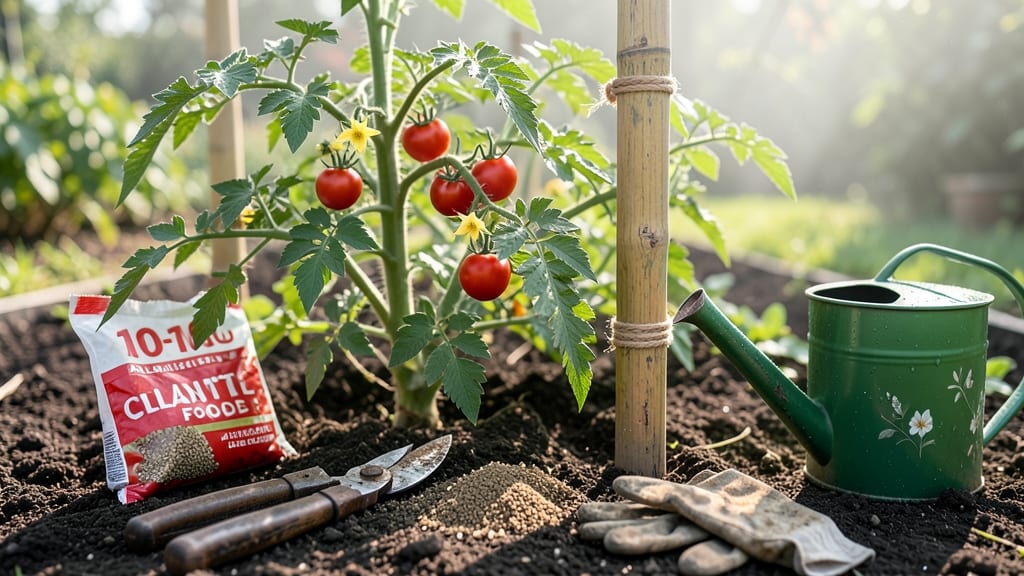
My first tomato harvest had me staring at golf-ball-sized fruits wondering how to increase the size of my tomato fruit. Turns out, bigger tomatoes start with three key moves: strategic pruning to redirect energy, targeted feeding that boosts growth hormones, and deadheading to prevent wasted resources.
These aren't just gardening tricks—they're science-backed levers that transform your harvest from snack-sized to meal-sized.
The secret isn't complicated equipment or rare techniques—it's understanding what your tomato plants want. Most gardeners overlook how pruning affects fruit size by removing competing growth, or how specific nutrients (like calcium and potassium) directly influence cell expansion.
Even watering patterns matter: consistent moisture prevents stress that stunts development. I've seen 50% larger fruits in just one season by mastering these basics.
What you'll end up with are tomatoes so plump they practically fall off the vine—perfect for slicing, sauces, or preserving. The best part? These techniques work for both determinate (bush) and indeterminate (vining) varieties, and they're equally effective in containers or in-ground beds.
No more apologizing for tiny tomatoes when your neighbors ask for "a few of those."
Here's where it gets interesting—some varieties respond better than others, and timing matters. For example, pruning too late in the season can reduce overall yield, while over-fertilizing with nitrogen creates leafy monsters instead of fruit. Let's break down exactly what to do, when, and why it works.
📚 In This Guide
- What you need
- Instructions
- Tips and common mistakes
- Wrapping up and next steps
What you need
- ● Tomato plants: Choose varieties known for large fruit (e.g., 'Beefsteak,' 'Brandywine,' or 'Sungold'). Start with 3–5 plants per gardener for optimal spacing.
- ● High-quality potting soil or compost: 5–10 gallons (or enough to fill containers 12+ inches deep). Look for organic matter-rich blends (e.g., 50% compost, 30% peat moss, 20% perlite).
- ○ Balanced fertilizer: 10-10-10 or 5-10-10 NPK ratio (1–2 lbs per 100 sq ft). Optional: Slow-release granules or liquid feed (e.g., fish emulsion).
- ● Pruning shears: Sharp, sterilized shears (or clean scissors) for trimming. Pro tip: Disinfect with rubbing alcohol between cuts to prevent disease! 💡
- ● Support structures: Cages: 5–6 ft tall (for determinate varieties).
- ● Trellises or stakes: 6–8 ft tall (for indeterminate varieties). Use galvanized or bamboo stakes (3–4 per plant).
- ● Mulch: Straw, grass clippings, or black plastic (1–2 inches thick) to retain moisture and suppress weeds.
- ● Watering can or hose with adjustable nozzle: Aim for deep watering (1–2 inches per week). Drip irrigation is ideal! 💧
- ● pH test kit: Ensure soil pH is 6.0–6.8 (tomatoes thrive in slightly acidic soil).
- ○ Calcium supplement (optional): Epsom salt (1 tbsp per gallon of water) or crushed eggshells to prevent blossom-end rot.
- ● Garden gloves: Heavy-duty (to protect from thorns and soil).
- ● Harvest basket or container: Gentle, breathable material to avoid bruising fruit.
- ● Sunlight: 6–8+ hours of direct sun daily (tomatoes are sun-worshippers!).
- ● Warmth: Soil temp should be 60°F+ for planting (use row covers if needed).
- ● Space: Determinate: 18–24 inches apart.
- ● Indeterminate: 24–36 inches apart (or 3–4 ft from trellises).
- ● Patience: Large tomatoes take 70–100 days to mature—plan ahead!
Step-by-step instructions for maximizing tomato fruit size
Here’s how to coax larger, juicier tomatoes from your plants using proven techniques that balance growth and energy.
Prune for Airflow and Energy Focus
Start pruning when plants reach 12-18 inches tall, removing suckers—the small shoots that form in the leaf axils between the main stem and branches. These compete for nutrients that could otherwise swell your fruit. Pinch them off with your thumb and forefinger or snip with clean pruners just above the leaf where they emerge.
For indeterminate varieties, prune aggressively to 3-4 main stems, leaving only the strongest branches. Determinate types need minimal pruning—just remove suckers to improve airflow and reduce disease risk. Watch for yellowing leaves or stunted growth as signs of over-pruning; if you see these, you’ve cut too much.
Feed with Balanced Fertilizer at Critical Stages
Switch to a low-nitrogen, high-phosphorus fertilizer (like 5-10-10) when flowers appear. Nitrogen pushes leafy growth at the expense of fruit development. Apply every 2-3 weeks during flowering and fruiting, following label rates. I like to mix a compost tea into the water for a gentle, organic boost—it adds micronutrients without burning roots.
Foliar feeding with calcium nitrate or Epsom salt (1 tablespoon per gallon) prevents blossom-end rot and improves cell wall strength, which directly impacts fruit firmness. Apply in the early morning so leaves dry quickly, reducing fungal risks. You’ll know it’s working when new leaves stay deep green and stems thicken noticeably.
Deadhead and Thin Fruit for Size
Remove yellowed or diseased fruit immediately—they drain energy that could swell healthier tomatoes. For indeterminate varieties, thin clusters to 3-5 fruits per truss, keeping the largest, healthiest ones. Determinate types can handle slightly more, but never let a truss bear over 6-8 tomatoes or they’ll stay small and underdeveloped.
Deadhead spent flowers (those that haven’t set fruit) to encourage new blooms on the plant’s lower branches, where fruit tends to ripen first. Use sharp pruners to avoid damaging stems. You’ll notice fewer but larger tomatoes forming within 2-3 weeks of consistent deadheading and thinning.
Optimize Watering for Consistent Growth
Water deeply 1-2 times per week, soaking the root zone to 6-8 inches deep. Shallow watering stresses plants and leads to blossom-end rot or cracked fruit. Use a soaker hose or drip irrigation to keep foliage dry, which prevents fungal diseases like early blight. Water in the early morning so leaves dry by afternoon.
Mulch with 2-3 inches of straw or shredded leaves to retain moisture and regulate soil temperature. Avoid wetting leaves when watering—this reduces powdery mildew risk. You’ll see firm, glossy fruit developing when your watering routine stays consistent, and the soil stays evenly moist but not soggy.
Protect from Stressors That Shrink Fruit
Shade plants during heatwaves over 90°F—use lightweight row covers or temporary shade cloth. Extreme heat causes blossom drop and stunted growth. Similarly, temperature swings (like nights below 55°F) can halt fruit development. Monitor your plants and adjust their environment as needed.
Watch for pests like hornworms or aphids, which defoliate plants and reduce photosynthesis. Handpick hornworms or spray with neem oil for a natural deterrent. Stress-free plants direct all their energy into plumping up existing fruit rather than repairing damage. You’ll know you’re on track when your tomatoes develop a rich, deep color and feel heavy for their size on the vine.
Tips & tricks for maximizing tomato fruit size
These targeted techniques will help you transform your tomato harvest from modest to magnificent—without sacrificing plant health or flavor.
Pruning Precision: When pruning indeterminate varieties to 3-4 main stems, focus on removing suckers that form in the upper leaf axils first—these compete most aggressively for energy. For determinate types, limit yourself to just the suckers; these bushy plants can't handle aggressive pruning. I've found that using clean, sharp pruners (or even a sterile knife) prevents disease transmission between cuts, which is especially important when working with multiple plants. The goal is to redirect energy from foliage to fruit development.
Fertilizer Timing: The switch to low-nitrogen, high-phosphorus fertilizer (like 5-10-10) at flowering is critical—this is when your plant needs to shift from vegetative growth to reproductive energy. I've had the most success applying this fertilizer every 2-3 weeks during the fruiting stage, but always follow the label rates precisely. Too much phosphorus can actually inhibit calcium uptake, leading to blossom-end rot despite your foliar sprays. For organic growers, compost tea is a fantastic supplement but should be used as an adjunct, not a replacement, for your primary fertilizer.
Watering Strategy: The deep watering technique (6-8 inches per session) might seem counterintuitive when you're eager to keep your plants hydrated, but shallow watering actually causes more stress. I recommend using a moisture meter to verify soil moisture levels—aim for consistent moisture where the top inch feels dry but deeper soil remains damp. This prevents the osmotic stress that leads to cracked fruit while ensuring roots develop deeply. Mulching with 2-3 inches of straw creates a moisture barrier that reduces evaporation by up to 40%, which is especially valuable in hot climates.
Heat Management: When temperatures exceed 90°F, your plants are essentially shutting down their reproductive functions to survive. I've seen dramatic improvements in fruit size by using shade cloth that blocks 30-50% of sunlight during peak afternoon heat (2 PM to 5 PM). This creates a cooler microclimate without completely stalling photosynthesis. For nighttime temperatures below 55°F, consider using row covers or even a simple blanket draped over plants—this creates a tiny greenhouse effect that maintains metabolic activity. The key is to protect the flowers and developing fruit, as these are the most sensitive stages.
Pro Tips for Increase Tomato Fruit Size
- These targeted techniques will help you transform your tomato harvest from modest to magnificent—without sacrificing plant health or flavor.
- Pruning Precision: When pruning indeterminate varieties to 3-4 main stems, focus on removing suckers that form in the upper leaf axils first—these compete most aggressively for energy.
- Fertilizer Timing: The switch to low-nitrogen, high-phosphorus fertilizer (like 5-10-10) at flowering is critical—this is when your plant needs to shift from vegetative growth to reproductive energy.
Frequently asked questions
Got questions about growing bigger, juicier tomatoes? You’re not alone! Here are some of the most common concerns—and straightforward answers—to help you maximize your harvest.
Why are my tomatoes staying small even after pruning and fertilizing?
Small tomatoes often mean your plants aren’t getting enough sunlight, water, or nutrients. Check for:
- At least 6–8 hours of direct sun daily—shade or overcrowding stunts growth.
- Consistent 1–1.5 inches of water per week (drought stress = tiny fruit).
- Balanced fertilizer (high in phosphorus and potassium) during flowering/fruiting.
How soon after planting should I start pruning to boost fruit size?
Start pruning when plants are 4–6 weeks old and have 3–4 sets of true leaves. Focus on:
- Removing suckers (shoots in leaf axils) to redirect energy to existing fruit.
- Avoid heavy pruning during flowering—this can stress plants and drop blossoms.
- Prune early in the day to let wounds heal before evening humidity sets in.
Can I use coffee grounds or eggshells to make tomatoes bigger?
Yes! Both are natural, low-cost amendments that can help:
- Coffee grounds: Add a thin layer to soil (1–2 tbsp per plant) for nitrogen and acidity, but avoid overdoing it—too much can harm soil microbes.
- Crushed eggshells: Provide calcium to prevent blossom-end rot (which shrinks fruit). Crush and mix into soil 4–6 weeks before planting.
What’s the best time of day to deadhead tomatoes for larger fruit?
Deadhead (remove spent flowers/fruit) on dry, sunny mornings to:
- Prevent disease from wet tools/leaves.
- Reduce stress on the plant by focusing energy on remaining fruit.
- Avoid late-day deadheading, which can attract pests (like cutworms) to fresh cuts.
My tomatoes crack when they get big—how can I prevent this?
Cracking happens when fruit grows too fast due to:
- Inconsistent watering (soil swings from dry to soggy). Solution: Water deeply 2–3 times per week (not daily shallow water).
- Over-fertilizing with nitrogen (leads to rapid, uneven growth). Solution: Switch to a low-nitrogen, high-potassium fertilizer (like 5-10-10) when fruits form.
- Heavy rain after drought. Solution: Mulch with straw to keep soil moisture stable.
Wrapping up and next steps
Growing larger, juicier tomatoes is all about patience, consistency, and a little extra care—but trust us, it’s worth it! 🍅 By mastering pruning, feeding, deadheading, and optimizing sunlight, you’ll soon be harvesting garden-fresh giants that steal the show.
Start small, experiment with these techniques, and don’t forget to celebrate every plump success along the way.
Ready to take your tomato game to the next level? Pick one tip from this guide and try it this season! Whether you’re a beginner or a seasoned gardener, every harvest is a chance to refine your skills. Happy growing—your future meals (and bragging rights) will thank you! 🌱✨