
Companion Plants
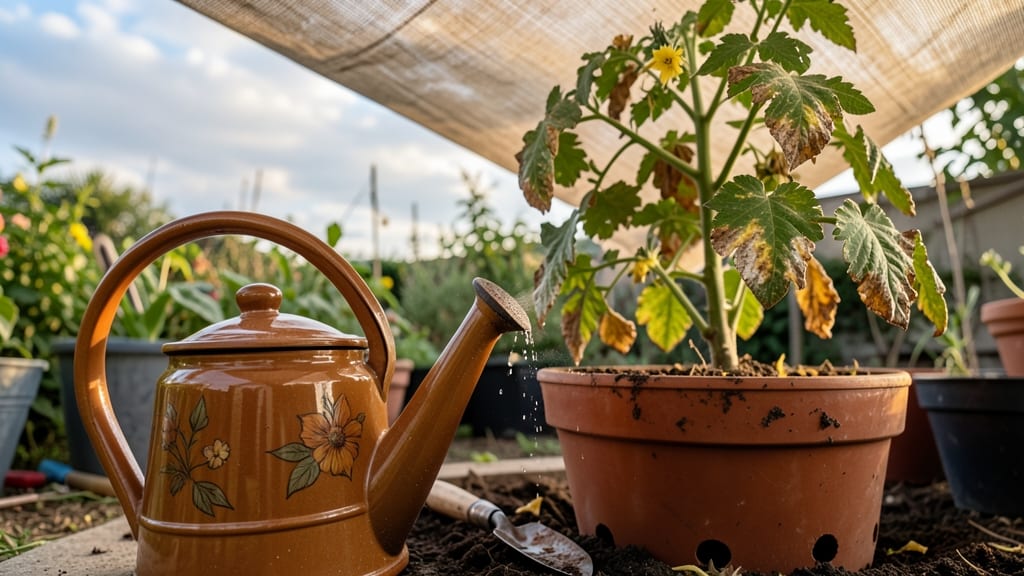
How to heal sunburned plants—they look like they’ve been kissed by the sun, then left to suffer. 🌿 The bleached patches and crispy edges aren’t just ugly; they’re a cry for help. I’ve nursed back everything from tomatoes to succulents using the same cool mist revival method, and I’ll show you how to do it too. First, stop the damage by moving plants to shade immediately. Then, mist them with water (not soaking) to cool their leaves and restore moisture. Prune any severely damaged areas with clean scissors—think of it as giving them a fresh start. For extra protection, spread a layer of mulch around the base to shield roots from heat stress. Within a week, you’ll see new growth pushing through the damaged spots. Tomatoes bounce back with tender leaves, succulents plump up again, and even the most scorched plants can recover if you act fast. The key is patience—don’t rush the recovery process. Prevent future sunburn by gradually introducing plants to sunlight (a process called hardening off) and choosing varieties suited to your climate. A little shade cloth goes a long way for heat-sensitive plants, and watering deeply in the morning helps them handle the afternoon sun.
📚 In This Guide
- What you need
- Instructions
- Tips and common mistakes
- Wrapping up and next steps
What you need
- ● Misting bottle (8–16 oz, with a fine-mist nozzle) – For gentle hydration and cooling.
- ● Soft cloth or sponge (microfiber or cotton) – To pat dry leaves without damage.
- ● Water (room temperature or slightly cooler than ambient) – Use filtered or rainwater if possible.
- ● Lightweight shade cloth (30–50% block) – 1–2 ft² per plant, depending on size.
- ● Pruning shears (sterilized) – For trimming severely damaged leaves (if needed).
- ● Organic mulch (e.g., straw, coconut coir, or wood chips) – A 1–2 inch layer to retain moisture.
- ● Plant-specific fertilizer (diluted, low-nitrogen) – Adds nutrients post-recovery (e.g., seaweed extract).
- ● Humidifier or pebble tray – For extra moisture in dry climates.
- ● Antioxidant spray (e.g., diluted aloe vera gel) – Soothes skin-like plant tissue (test on a small area first!).
- ● Reflective mulch (e.g., white gravel) – Reduces heat absorption around roots.
Step-by-Step instructions for reviving sunburned plants
Here's how I nurse scorched plants back to health using simple, effective techniques.
💧 Step 1: Trim Damaged Leaves Immediately
Use clean, sharp scissors to snip away any leaves with crispy, white, or brown patches—these won't recover. Focus on removing only the worst-affected areas, not entire branches. You'll see healthy green tissue underneath the burn marks, so cut just above the last intact leaf node. This prevents further stress on the plant and directs energy to new growth.
Wear gloves if your plants have thorns or sap. I always sanitize my scissors with rubbing alcohol between cuts to avoid spreading disease. The goal is to remove damage while keeping as much foliage as possible—sunburned plants need every leaf they've got to recover.
🌿 Step 2: Apply Cool Water Mist Twice Daily
Fill a spray bottle with lukewarm (not cold) water and mist the plant thoroughly from top to bottom. Focus on the undersides of leaves where most photosynthesis happens. You'll know you're doing it right when water beads up on the foliage but doesn't pool on the soil. This mimics natural morning dew and helps lower leaf temperatures while providing hydration.
Do this in the early morning and late afternoon when temperatures are mild. Avoid midday misting—it can cause more harm than good by encouraging fungal growth. I set a timer on my phone to remind me, because consistency is key for recovery. Watch for wilting after misting; if it happens, your plant needs more frequent watering.
☀️ Step 3: Provide Temporary Shade Protection
Move the plant to a spot with 50% shade for at least 3-5 days—this could be under a sheer curtain, a light-colored sheet, or even a nearby tree. I use a white shade cloth stretched over a frame because it blocks harmful UV rays while still allowing some light through. If you don't have shade cloth, a white bedsheet works in a pinch.
Check daily to see if new leaves are emerging. If they appear pale but healthy, the plant is recovering. If they're still yellowing, extend the shade period by another 2-3 days. The goal is to protect the plant while still letting it photosynthesize enough to heal. Once new growth appears consistently green, you can gradually reintroduce it to sunlight over 5-7 days.
🌱 Step 4: Boost Recovery With Foliar Feeding
Mix 1 tablespoon of liquid seaweed fertilizer in a gallon of water and spray it lightly on the leaves (avoid over-saturating). I use this because seaweed contains natural growth hormones that help repair cell damage. Do this once a week for 3-4 weeks or until you see new, vibrant leaves emerging. The fertilizer also strengthens the plant's resilience against future stress.
If you don't have seaweed fertilizer, a diluted fish emulsion (1 part to 10 parts water) works too. Just make sure the solution is weak—you want to nourish, not burn, the already stressed plant. After applying, mist with plain water to rinse off any residue. You'll notice leaves perking up within a few days of consistent feeding.
⏰ Step 5: Monitor and Adjust Care Long-Term
Keep an eye on the plant for 2-3 weeks after initial recovery. If new leaves appear healthy but old ones keep yellowing, your plant may need more frequent misting or additional shade. I check the soil moisture weekly—if it's dry 1 inch below the surface, it's time to water deeply at the base (not the leaves) to avoid re-triggering sun stress.
Once fully recovered, gradually reintroduce the plant to its original sunlight conditions over 10-14 days. Start with 2 hours of morning sun, then increase by 1 hour daily. This prevents a relapse. If your plant is a perennial, it'll develop thicker leaves over time—nature's way of building sun resistance!
Tips & tricks for reviving sunburned plants
Here's what nobody tells you about bringing scorched foliage back to life—these tricks make all the difference.
Precision Pruning: When trimming damaged leaves in Step 1, look for the point where crispy edges meet healthy green tissue. This is your cutting line—don't trim too deep into healthy areas, but don't leave dead patches either. I've learned the hard way that leaving even small dead spots can spread decay. Use a magnifying glass if needed to spot hidden damage.
Misting Technique: For Step 2, the key is thorough but gentle coverage. Hold the spray bottle 6-8 inches from the leaves and move it continuously to avoid creating water pools. I found that misting in circular motions mimics natural dew distribution. If your plant wilts after misting, it's a sign you need to increase frequency to every 4-6 hours during extreme heat—just don't exceed twice daily unless absolutely necessary.
Shade Strategy: In Step 3, position your shade source to block the sun's harshest rays (usually between 10 AM and 2 PM). I've had best results with white shade cloth because it diffuses light rather than casting harsh shadows. If using a sheet, prop it up slightly to create air circulation—stagnant air can promote fungal growth. Remember, the goal is to reduce light intensity by 50%, not eliminate it completely.
Foliar Feeding: When applying the seaweed fertilizer in Step 4, focus on the undersides of leaves where most stomata (pores) are located. I discovered that spraying in early morning gives the plant time to absorb nutrients before afternoon heat. If you notice water droplets forming on leaves after spraying, wipe them off gently—excess moisture can cause spotting. The solution should feel like a light rain, not a downpour.
Pro Tips for Heal Sunburned Plants
- Here's what nobody tells you about bringing scorched foliage back to life—these tricks make all the difference.
- Precision Pruning: When trimming damaged leaves in Step 1, look for the point where crispy edges meet healthy green tissue.
- Misting Technique: For Step 2, the key is thorough but gentle coverage.
Frequently asked questions
Got questions about reviving your sunburned plants? Here are some common ones—and their answers—to help you bring your greenery back to life!
How soon can I see improvement after treating sunburned plants?
With proper care—like misting, shade, and hydration—you may notice recovery in 3 to 7 days. Severely damaged leaves might not fully heal, but new growth should appear within 2 to 4 weeks if the roots are healthy. Patience is key!
Can I use vinegar or lemon juice to help sunburned plants?
No, avoid vinegar or citrus juices—they’re too acidic and can worsen damage. Stick to gentle solutions like diluted aloe vera gel or plain water for misting. If you suspect fungal issues, use a mild hydrogen peroxide spray (1 part peroxide to 10 parts water) instead.
How do I know if my plant is sunburned vs. just thirsty?
Sunburned plants show white, yellow, or crispy patches on leaves, often on one side (where sunlight hits). Thirsty plants usually have drooping, dry leaves but no discoloration. Check soil moisture—if it’s dry, water deeply, then move the plant to shade.
Will pruning sunburned leaves help the plant recover faster?
Yes! Trim severely damaged leaves to redirect the plant’s energy to healthy growth. Use clean scissors and cut just above a leaf node. Avoid over-pruning—remove only what’s crispy or blackened to prevent stress.
Can I use a fan to cool sunburned plants instead of misting?
A fan can help circulate air and reduce heat stress, but it’s not as effective as misting for hydration. For best results, combine both: mist in the morning and use a fan during the day. Just avoid direct airflow on delicate leaves to prevent further damage.
Wrapping up and next steps
Healing sunburned plants is all about patience, gentle care, and quick action—your greens will bounce back with the right touch! 🌿 By shielding them from harsh sun, hydrating with cool mist, and trimming damaged leaves, you’re giving them the best chance to recover. Don’t stress if progress feels slow; plants heal in their own time.
Now that you’ve got the know-how, take the next step:
- Set up a shade schedule for future sunny days.
- Monitor your plants daily for new signs of stress.
- Celebrate small wins—your green thumbs are already doing great!