
Tools
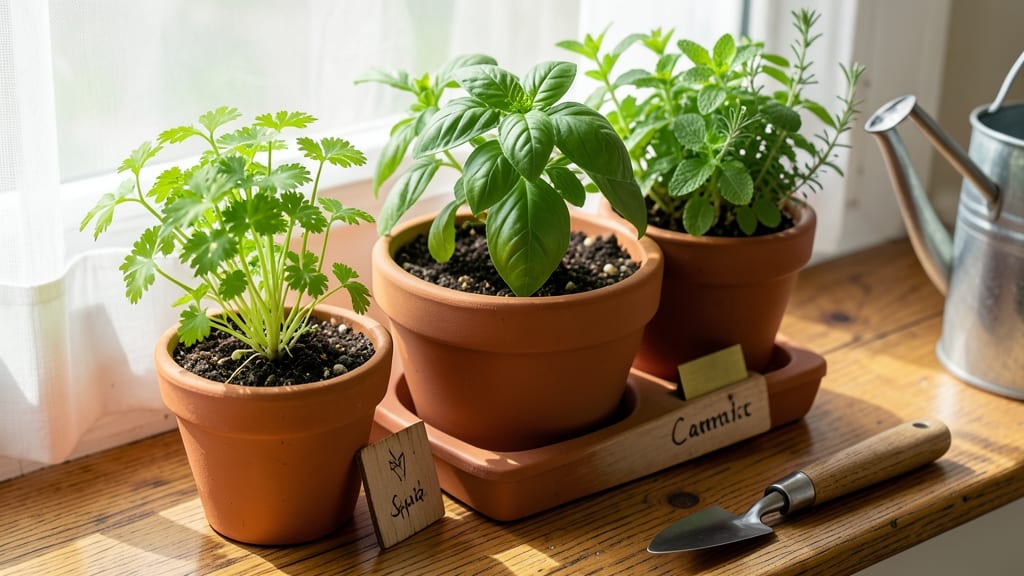
Want to how to have a garden in an apartment with just a balcony or windowsill? You don’t need a green thumb or a sprawling backyard—just the right space-saving layouts and a few smart tricks to turn your apartment into a thriving garden.
I’ve tested countless setups, from vertical planters to hanging pots, and the best part? These methods work for General (Apartment - Indoor/Container) spaces in USDA Zone 6 or warmer.
Whether you’re harvesting basil in 30 days or keeping rosemary alive for months, the key is maximizing every inch without sacrificing aesthetics.
Let’s dive into the easiest plants for small spaces, how to pick the perfect containers, and even how to hack lighting when your apartment’s natural light is lacking. No more excuses—your tiny terrace or kitchen windowsill can become a lush, productive garden.
Ready to transform your living space? I’ll show you exactly how to start, step by step, so you can enjoy homegrown flavors (and bragging rights) all year round.
Best space-saving garden layouts for small apartments
With limited space, your apartment can still become a lush garden paradise using smart layouts. The key is maximizing vertical space and choosing compact designs that fit your unique living areas. Start by assessing your available spots—balconies, windowsills, and even unused corners can transform into thriving green spaces.
For balconies, focus on tiered planters or hanging baskets to create layers of greenery without taking up floor space. A south-facing balcony gets the most sunlight, perfect for herbs and small vegetables. If your balcony is narrow, wall-mounted planters or vertical gardens can add greenery without sacrificing walking room.
Windowsills are ideal for small pots of herbs or leafy greens, but avoid overcrowding. Place pots near south or west-facing windows for optimal light exposure. If your apartment lacks natural light, LED grow lights can supplement and keep plants healthy year-round.
Even if you lack outdoor space, indoor gardening thrives with the right setup. Use stackable shelves or hanging planters to free up floor space. For kitchens, a herb spiral on the counter or a mini greenhouse on the windowsill keeps fresh greens within arm’s reach.
Here’s how to compare the most effective layouts for your space:
| Layout Type | Best For | Space Needed | Sunlight Needs | Pros |
|---|---|---|---|---|
| Tiered Planters | Balconies | Moderate | 4-6 hrs/day | Maximizes vertical space, easy access |
| Hanging Baskets | Porches, Railings | Low | 3-5 hrs/day | Adds height, great for trailing plants |
| Wall-Mounted Planters | Indoor Walls | Minimal | Indirect light | Saves floor space, decorative |
| Stackable Shelves | Indoor Gardens | Moderate | 4-6 hrs/day | Organized, multi-level growing |
| Vertical Gardens | Small Spaces | Low | 3-6 hrs/day | Space-efficient, stylish |
For small apartments, prioritize multi-functional layouts. A foldable planter can double as storage when not in use, while modular systems let you expand or shrink your garden as needed. If you’re renting, opt for lightweight containers that won’t damage floors or walls.
Don’t overlook underutilized spaces like bathroom windowsills (for low-light plants like mint or parsley) or kitchen corners (for a dwarf citrus tree). Even a single sunny windowsill can grow basil, chives, or lettuce with minimal effort.
Test different layouts in your space before committing. Start with one or two containers to see what works best, then expand gradually. With the right setup, your apartment garden can be just as productive as a traditional backyard—without the space constraints.
Remember, the goal is functionality meets aesthetics. Choose designs that complement your decor while meeting your plants’ needs. A well-planned apartment garden isn’t just about growing food; it’s about creating a green sanctuary in your living space.
Best space-saving garden layouts for small apartments
Transforming even the tiniest apartment into a lush garden starts with smart space-saving layouts. Whether you have a balcony, windowsill, or sunroom, these designs maximize your growing area without sacrificing aesthetics or functionality. The key is thinking vertically and modularly—every inch counts!
Vertical gardening is your best friend in small spaces. By utilizing walls, railings, and shelves, you can grow more plants in less footprint. For example, a wall-mounted planter with trailing herbs like thyme or nasturtiums adds greenery while keeping your hands free.
Even a simple hanging basket can yield fresh lettuce or cherry tomatoes!
🌿 Space-Saving Layout Comparison
| Layout Type | Best For | Space Needed | Plant Examples |
|---|---|---|---|
| Vertical Planters | Balconies, walls, railings | Minimal (1-3 sq ft) | Herbs, strawberries, lettuce |
| Tiered Shelving | Sunrooms, corners | 2-4 sq ft | Succulents, peppers, microgreens |
| Hanging Baskets | Porches, patios, windows | 1-2 sq ft | Tomatoes, flowers, herbs |
| Window Boxes | Windowsills, ledges | 1-2 sq ft | Basil, parsley, marigolds |
| Foldable Planters | Storage-friendly spaces | 1-3 sq ft | Greens, radishes, herbs |
For balconies or patios, opt for modular planters that can be rearranged as your plants grow. Stackable pots or a raised garden bed (even a small 2x4-foot version) works wonders for growing dwarf vegetables like bush beans or carrots.
Just ensure your containers have drainage holes to prevent root rot—a common issue in compact spaces.
If your apartment lacks natural light, grow lights are a game-changer. Place them above your windowsill garden or use them to supplement light for low-light plants like spinach or Swiss chard. LED grow lights are energy-efficient and fit seamlessly into small spaces, often costing under $50 for a starter kit.
Don’t overlook underutilized spaces like above doorways or along stair railings. A trellis-mounted vine, such as cucumbers or peas, can transform dead space into a productive garden. Just ensure the structure is secure and weather-resistant—especially if your balcony faces wind or rain.
Finally, keep your layout flexible and seasonal. Swap out winter crops like kale for summer tomatoes as the weather changes. Rotate plants to maximize sunlight exposure, and always prioritize airflow to prevent pests. With these layouts, even a 50-square-foot apartment can become a thriving green oasis!