
Propagation
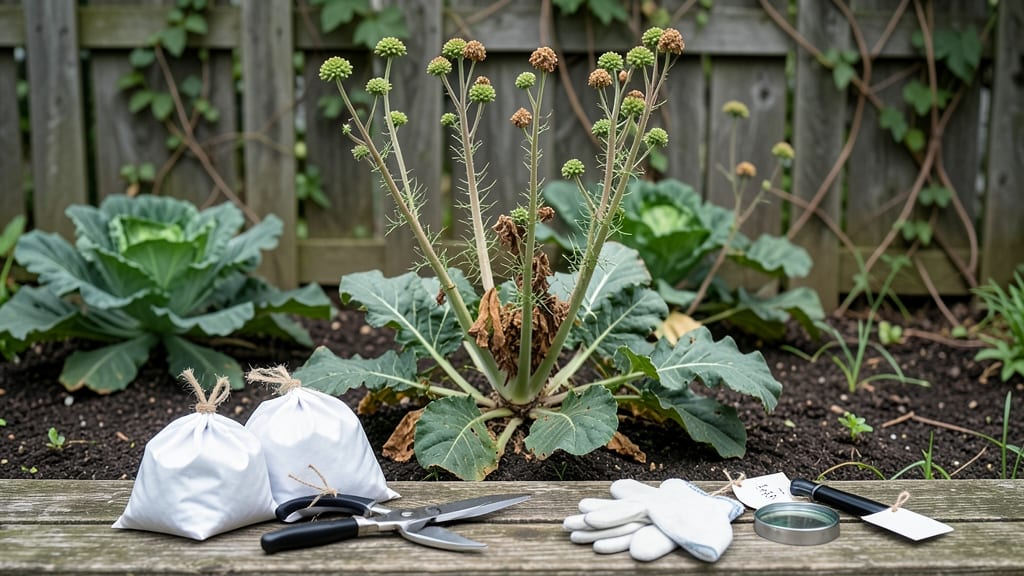
Collecting cabbage seeds from your garden saves money and preserves unique varieties. 🌱 The key is patience—waiting for plants to bolt (send up flower stalks) before harvesting those dry, papery seed pods.
I learned this the hard way after pulling plants too soon, only to find immature seeds that wouldn’t germinate.
You’ll need mature cabbage plants left to flower, a clean workspace, and paper bags for drying. The process takes about 6-8 weeks from bolting to seed readiness, so plan ahead.
Cross-pollination is the biggest challenge—grow only one variety at a time if you want pure seeds, or isolate plants by 500 feet.
Once pods turn brown and crispy, gently rub them to release seeds into your bag. Store them in a cool, dry place for up to 3 years, testing viability by planting a few each year.
The first time I did this, I ended up with enough seeds to plant an entire row—no store-bought packets needed.
Watch for pests like cabbage moths during the flowering stage, and avoid harvesting seeds from diseased plants. With practice, you’ll master this skill and enjoy the satisfaction of growing cabbage from seeds you saved yourself.
📚 In This Guide
- What you need
- Instructions
- Tips and common mistakes
- Wrapping up and next steps
What you need
- ● Mature cabbage plants: Choose open-pollinated varieties (avoid hybrids like F1 seeds). Let heads stay on the plant until they bolt (send up a flower stalk) and fully dry on the plant.
- ● Pruning shears or sharp scissors: 1 pair (clean and sterilized to prevent disease spread).
- ● Paper bags or breathable seed-saving envelopes: 5–10 bags (size: ~4" x 6", made of unbleached paper or mesh for airflow).
- ● Permanent marker or labels: 1 (to mark varieties and dates).
- ● Drying surface: A clean, dry tray, screen, or cardboard box (12" x 12" minimum).
- ○ Small fan (optional but helpful): 1 (for indoor drying, set to low speed to circulate air).
- ● Desiccant packets: 1–2 (silica gel or rice in a breathable bag to absorb excess moisture during drying).
- ● Glass jars with lids: 2–3 (for long-term seed storage; 8 oz size works well).
- ● Humidity monitor: 1 (ideal if storing seeds indoors; aim for <40% humidity).
- ● Seed catalog or notebook: 1 (to track varieties, germination rates, and growing conditions).
Step-by-step instructions for collecting cabbage seeds
Here’s how to save seeds from your cabbage plants—no fancy tools needed, just patience and timing.
🌱 Step 1: Grow a Second Crop for Seed Production
Most cabbage varieties bolt (flower) when days get longer, but you can trick them into producing seeds by planting a second crop in late summer. Choose open-pollinated varieties like ‘Golden Acre’ or ‘Red Express’—hybrids won’t produce true seeds. Sow seeds 8-10 weeks before your first frost to ensure plants mature before winter.
Watch for flower stalks to emerge from the center of the cabbage head. These stalks will grow 2-3 feet tall and develop small yellow flowers. Let 2-3 of the strongest plants go to seed—they’ll yield the most viable seeds. Harvest the main heads first, leaving these stalks intact for seed production.
☀️ Step 2: Let Flower Stalks Mature into Seed Pods
Once flowers appear, do not disturb the plants. Yellow blooms will fade and give way to small green seed pods that look like tiny cabbage heads. These pods need full sun and warmth to develop—60-70°F is ideal. If frost threatens before pods turn brown, cover plants with a frost blanket to protect them.
Pods will swell and eventually split open, revealing tiny black seeds inside. Wait until at least 50% of the pods on a stalk have dried and cracked—this ensures seeds are fully mature. Harvest seeds on a dry day to prevent mold. I like to collect pods in a paper bag and let them finish drying indoors.
⏰ Step 3: Dry, Clean, and Store Seeds Properly
Spread the dried pods on a clean sheet of newspaper in a dry, well-ventilated area. Gently crush the pods with your fingers to release seeds—avoid using tools to prevent seed damage. Winnow seeds by fanning them on a breezy day or using a fine-mesh screen to separate chaff from seeds.
Store seeds in a paper envelope (not plastic) in a cool, dark place like a seed jar. Label with the variety and date—cabbage seeds stay viable for 3-5 years if kept dry. Test a few seeds the next season to confirm germination before planting your entire batch.
🌿 Step 4: Test Seed Viability Before Planting
Before sowing saved seeds, test germination to ensure they’re still good. Moisten a paper towel, place 10 seeds between two, fold it, and seal in a ziplock bag. Keep in a warm spot (70°F) for 7-10 days. Check daily—if 5+ seeds sprout, your seeds are viable. If fewer than half sprout, store the rest for another year or discard.
Plant tested seeds in well-draining soil and keep moist until germination. Saved cabbage seeds may take 7-14 days to sprout—longer than store-bought seeds. Thin seedlings to 12-18 inches apart for healthy growth. Here’s the thing—patience pays off with seeds you’ve saved, and next year’s cabbage will taste even better knowing you grew it from your own harvest.
Tips & tricks for perfect cabbage seed harvesting
Patience and timing are everything when saving cabbage seeds—here's how to avoid common pitfalls and maximize your yield.
Timing is Everything: The 8-10 week window before your first frost is critical for seed production. I've learned the hard way that planting too early means plants won't mature before cold weather, while planting too late gives them insufficient time to flower. Check your local frost dates and work backward—this ensures your plants have enough time to go through their full life cycle and produce viable seeds.
Select the Right Plants: Focus on 2-3 of the strongest, healthiest plants for seed production. These should be the ones that show the most vigor throughout the growing season. Avoid using hybrid varieties—they won't produce true seeds that grow like the parent plant. Stick with open-pollinated varieties like 'Golden Acre' or 'Red Express' for reliable results.
Pod Maturity Matters: Wait until at least 50% of the pods on a stalk have dried and cracked before harvesting. This ensures maximum seed viability. I've seen gardeners rush this step and end up with seeds that don't germinate properly. The pods should be brown and brittle—if they're still green, give them more time. A dry day is ideal for harvesting to prevent mold from developing on your seeds.
Storage Wisdom: Paper envelopes are your best friend for seed storage. They allow moisture to escape while keeping seeds dry, which is crucial for maintaining viability. Label each envelope with the variety and date—this simple step prevents mix-ups and helps you track how long seeds have been stored. Remember, cabbage seeds stay good for 3-5 years if kept properly dry and cool.
Pro Tips for Collect Cabbage Seeds
- Patience and timing are everything when saving cabbage seeds—here's how to avoid common pitfalls and maximize your yield.
- Timing is Everything: The 8-10 week window before your first frost is critical for seed production.
- Select the Right Plants: Focus on 2-3 of the strongest, healthiest plants for seed production.
Frequently asked questions
Got questions about saving cabbage seeds?
Here are answers to the most common ones—so you can troubleshoot, plan ahead, and maximize your success!
When is the best time to collect cabbage seeds?
Collect seeds after the cabbage heads bolt (flower) and turn brown. Typically, this happens in late summer or early fall, depending on your climate. Wait until the seed pods dry completely and turn papery—never harvest wet or green pods!
How long does it take for cabbage seeds to mature?
Once flowers appear, it takes about 4–8 weeks for seeds to fully mature. Warm, dry conditions speed this up, while cool, damp weather may delay ripening. Keep an eye on your plants and harvest pods as soon as they’re dry to avoid shattering.
Can I save seeds from store-bought cabbage?
Probably not! Most commercial cabbages are hybrids (F1 varieties) and won’t produce true-to-type seeds. For reliable seed saving, grow open-pollinated (heirloom) varieties like ‘Golden Acre’ or ‘Red Express’ instead.
Do I need to worry about cross-pollination?
Yes! Cabbage is self-pollinating but can cross with other brassicas (broccoli, Brussels sprouts, etc.). To ensure purity, isolate plants by at least 1/2 mile or use row covers to prevent outsider pollen. If cross-pollination happens, seeds may grow into unexpected varieties.
What do I do if my cabbage flowers but doesn’t form seeds?
This usually happens due to poor pollination, heat stress, or weak plants. Try:
- Gently hand-pollinate flowers with a soft brush.
- Ensure plants get full sun and consistent water.
- Use a balanced fertilizer early in the season.
- If it’s too hot (>85°F), provide shade cloth.
Wrapping up and next steps
Collecting cabbage seeds is a rewarding way to ensure a fresh, homegrown harvest year after year! By following these simple steps—letting heads mature, drying seeds properly, and storing them correctly—you’ll have viable, organic seeds ready for next season’s garden. 🌱
Now that you’re equipped with the knowledge, why not take the next step? Try saving seeds from a few different cabbage varieties and experiment with growing them in your garden. Happy gardening—your future plants (and taste buds!) will thank you! 🌟