
Picking
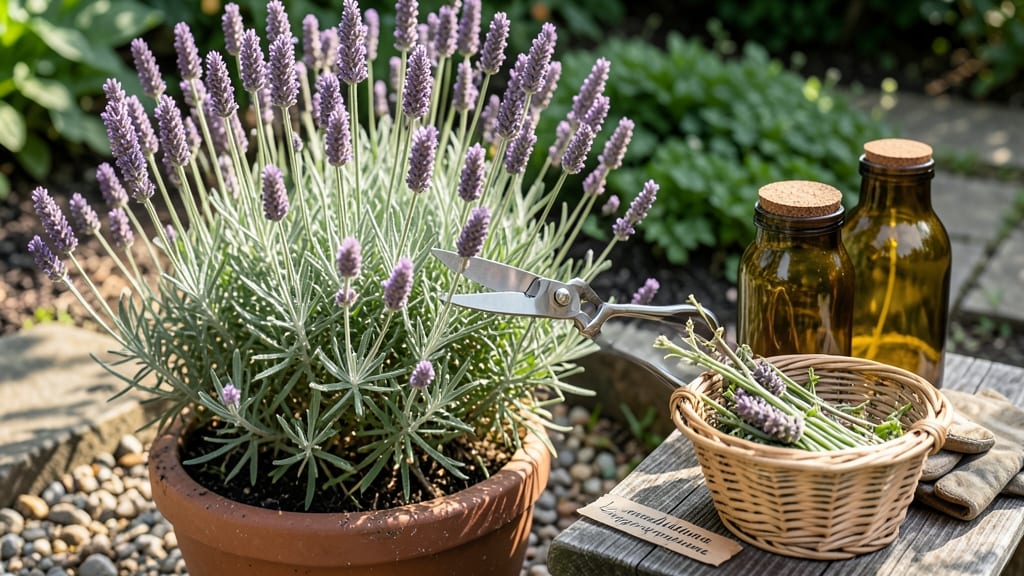
Harvesting lavender at the right moment means oil that smells like a Provençal summer. 🌿 The secret isn’t just picking flowers—it’s timing them at 75-80% bloom, when the buds are just opening but before they turn brown.
I’ve learned the hard way that harvesting too early or too late cuts oil quality by half. This isn’t about guesswork. You’ll need sharp pruners, a basket for stems, and a sunny spot to dry them flat.
The process takes 3-5 days from harvest to dried bundles, but every step—from cutting to storage—protects that delicate oil. Skip the shortcuts, and you’ll end up with lavender that smells like hay instead of perfume.
By the end, you’ll have rich, fragrant bundles that yield 2-3 times more oil than store-bought lavender. The scent lingers for months, and you’ll finally understand why artisan oil costs so much. No more wilted stems or weak fragrance—just pure, potent lavender oil.
Works in any climate, from Mediterranean heat to cooler zones. Here’s how to nail it every time, no matter where you garden.
📚 In This Guide
- What you need
- Instructions
- Tips and common mistakes
- Wrapping up and next steps
What you need
- ● Fresh lavender flowers (harvested at peak bloom, typically in the morning after dew has dried)
- ● Pruning shears or sharp scissors (clean, sterilized, and sharp to avoid crushing stems)
- ● Large breathable bags or baskets (paper or mesh bags work best to allow airflow and prevent mold)
- ○ Gloves (optional but recommended)—lavender can be prickly!
- ● A sunny, dry workspace (outdoors or in a well-ventilated area)
- ● Newspaper or clean towels (for laying out stems to dry)
- ○ A thermometer (optional but helpful)—ideal drying temp: 70–80°F (21–27°C)
- ● Harvesting basket with a long handle (for large lavender fields)
- ● Solar dehydrator or food dehydrator (speeds up drying time)
- ● Essential oil extraction kit (if processing immediately—includes a still or solvent-free extractor)
- ● Labeling tags (to track harvest dates and varieties)
- ● Insect repellent (if working outdoors—lavender attracts bees!)
Step-by-Step guide to harvesting lavender for essential oil
Timing and technique make all the difference—here's how to harvest lavender at its peak for the richest oil.
🌿 Step 1: Identify the Perfect Harvest Window
Harvest lavender when 70-80% of buds are open but before more than 20% of flowers fully bloom. This stage ensures the highest essential oil content. I check my plants daily in late summer—morning is best because dew has dried but the sun hasn't stressed the flowers yet.
Run your fingers gently through the flower spikes. You'll feel a mix of tight buds and just-opening blossoms. If most flowers are wide open, you've missed the window—the oil content drops noticeably after full bloom. Harvesting too early (all buds closed) means lower yield, while waiting too long reduces oil quality.
✂️ Step 2: Cut Stems Properly for Oil Extraction
Use clean, sharp pruning shears to cut stems 4-6 inches below the flower head. This length ensures enough leaf material for oil extraction while leaving the plant with enough foliage to regrow. I always cut at a 45-degree angle to increase the surface area for water absorption when drying.
Harvest on a dry, sunny morning after dew has evaporated but before the midday heat. Avoid cutting after rain—wet stems mold quickly during drying. Never pull stems by hand; this damages the plant and reduces future yields. Cut one-third of the plant at a time to avoid stressing it completely.
☀️ Step 3: Dry Lavender Correctly for Maximum Oil Retention
Bundle stems into small 5-10 stem bundles and hang them upside down in a dark, well-ventilated space with temperatures between 65-75°F. I use my garage with a fan running—this prevents mold while ensuring even drying. The drying process takes 1-2 weeks until stems snap easily when bent.
Check daily for mold (fuzzy gray spots) or pests (tiny crawling insects). If you see either, remove affected bundles immediately and increase airflow. Once completely dry, strip the flowers from the stems by hand—this protects the delicate buds during oil extraction. Store dried lavender in airtight containers away from direct light to preserve oil potency.
🌱 Step 4: Process for Oil Extraction (Optional)
For essential oil extraction, you'll need a cold-press method or steam distillation. I use a small steam distillation kit for home production—simply place 1 cup dried lavender buds in the distillation chamber and follow the manufacturer's instructions for 2-3 hour processing. The oil collects in the condenser and separates naturally.
Never use heat above 120°F during extraction—high temperatures degrade the delicate lavender oil compounds. Yield varies by variety, but expect 0.5-1 ounce of oil per pound of dried lavender. Store the finished oil in amber glass bottles in a cool, dark place to maintain its therapeutic properties for up to 2 years.
Tips & tricks for perfect lavender oil extraction
Harvesting lavender at the right moment and handling it properly makes all the difference in oil potency.
Timing Secret: The 70-80% bloom window is non-negotiable for maximum oil yield. I've learned this the hard way—harvesting too early means underdeveloped oils, while waiting too long means the buds lose their potency. Check your plants every morning during peak bloom season (usually late spring to early summer) and harvest within 2 hours of dew drying. This morning routine preserves those precious limonene and linalool compounds that give lavender its signature scent.
Drying Wisdom: For that critical 1-2 week drying period in Step 2, I've found a small fan placed near the hanging bundles speeds up the process without heat damage. Just make sure it's not blowing directly on the stems—gentle airflow is key. If you're in a humid climate, the dehydrator at low heat for the full 2-3 hours is your best bet. The goal is to dry the stems completely while preserving those aromatic compounds that make lavender oil so valuable.
Equipment Upgrade: While clean pruning shears work fine, I've discovered that using a pair of small, sharp kitchen scissors gives me more control when cutting those 3-5 inch stems. For drying, a mesh screen with holes slightly larger than your stems creates perfect airflow. And for extraction, a dark glass jar with a tight-sealing lid is non-negotiable—light degrades essential oils quickly. These small upgrades make a noticeable difference in final oil quality.
Storage Strategy: After your 4-6 week infusion period, transfer the strained oil to smaller dark glass bottles for storage. I keep a separate bottle for each batch and label them with the harvest date. This way, I can track how the oil evolves over its 6-12 month shelf life. The first month after extraction often produces the most potent oil, so I use those bottles first for high-end applications like perfumes and aromatherapy.
Pro Tips for Harvest Lavender For Oil
- Harvesting lavender at the right moment and handling it properly makes all the difference in oil potency.
- Timing Secret: The 70-80% bloom window is non-negotiable for maximum oil yield.
- Drying Wisdom: For that critical 1-2 week drying period in Step 2, I've found a small fan placed near the hanging bundles speeds up the process without heat damage.
Frequently asked questions
When is the best time of day to harvest lavender?
The ideal time is early morning after the dew has dried but before the sun gets too intense—typically between 6 AM and 9 AM. This ensures the flowers are fully hydrated and rich in essential oils. Avoid harvesting after rain or late in the day when oils may degrade.
How often should I harvest lavender for oil production?
Harvest every 3–4 weeks during peak bloom (spring to early summer) to maintain plant health and oil quality. Over-harvesting weakens stems—never cut more than one-third of the plant at a time. Regular trimming also encourages bushier growth for future harvests.
Can I harvest lavender after it’s rained?
Wait 24–48 hours after rain to harvest. Damp flowers can mold during distillation, ruining your oil. If you must harvest wet lavender, dry it thoroughly in shade before processing. Always prioritize dry, sunny conditions for the best results.
What if my lavender doesn’t produce much oil?
Low oil yield often stems from immature flowers (harvest only when buds are fully open) or poor sunlight. Ensure plants get 6+ hours of direct sun daily and use well-draining soil. If using a home distiller, check for leaks or inadequate heat—lavender oil needs 212°F (100°C) for proper extraction.
Can I reuse lavender stems for multiple oil batches?
No—stems should be discarded after one distillation. Repeated use depletes oils and increases contamination risk. For sustainability, compost stems or use them in potpourri, sachets, or homemade lavender water (hydrosol). Always start fresh for each batch!
Wrapping up and next steps
Harvesting lavender at its peak—just before full bloom—is the secret to unlocking the richest, most aromatic oil for your DIY projects. With the right tools, timing, and care, you’re well on your way to transforming your garden into a fragrant goldmine! 🌿✨
Ready to turn your harvest into essential oil? Start small: experiment with a few bunches, then scale up as you refine your technique. Happy harvesting—and enjoy the soothing magic of lavender in every drop!