
Lawn
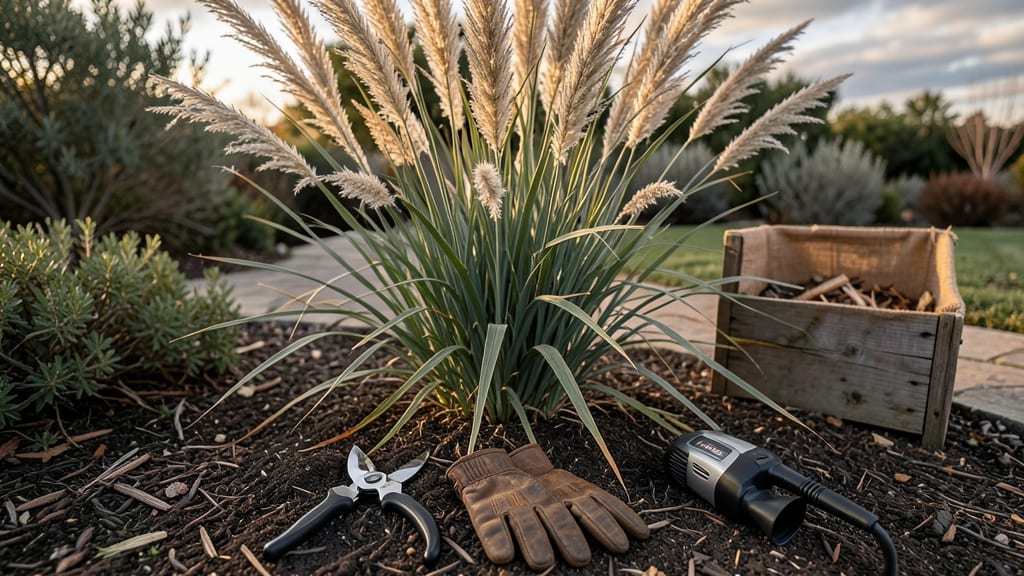
How to cut pampas grass without killing it—that’s the trick to keeping your ornamental showstopper lush and thriving. ✂️ I’ve learned the hard way—after one aggressive trim in spring, my plants took two years to recover. The secret isn’t just when you cut, but how you protect the crown and roots.
Timing matters most: late winter or early spring, before new growth starts. You’ll need sharp bypass pruners (never dull shears—they tear fibers), heavy-duty gloves, and a tarp to contain the fluffy debris.
The goal is to cut back half the plant’s height, never below the crown, where the roots live.
After trimming, water deeply to help recovery. The first year post-prune, you might see fewer plumes, but patience pays off—your grass will bounce back stronger, with denser growth and fuller plumes next season. Just avoid cutting after fall or during dormancy, or you’ll shock the plant.
Here’s the kicker: pampas grass hates being over-pruned. If you cut too much or too late, you’ll strip the plant of its energy reserves. Think of it like a haircut—too short, and it takes forever to grow back. Now grab those shears and let’s do this right!
📚 In This Guide
- What you need
- Instructions
- Tips and common mistakes
- Wrapping up and next steps
What you need
- ● Heavy-duty pruning shears or hedge shears – Opt for bypass-style blades (8–12 inches long) to handle thick stems cleanly. Sharpness is key!
- ○ Loppers (optional but helpful) – For stubborn, woody stems (16–24 inches long, rated for 2-inch cuts).
- ● Gloves (cut-resistant) – Pampas grass has serrated edges—wear leather or heavy-duty garden gloves to protect your hands.
- ● Safety goggles – Debris flies when cutting dense foliage. Non-negotiable!
- ● Rake or broom – To clear fallen leaves/debris after trimming.
- ● Disinfectant (70% isopropyl alcohol or bleach solution) – Clean tools before and after to prevent disease spread.
- ● Timing – Trim in early spring (March–April) or late summer (August–September) to avoid stressing the plant.
- ● Weather – Choose a dry, overcast day (no rain for 24 hours before/after). Wet grass = slippery blades!
- ● Temperature – Work when temps are mild (50–75°F). Extreme heat can shock the plant.
- ● Long-sleeve shirt/pants – Pampas grass can irritate skin.
- ● Wheelbarrow or tarp – For hauling clippings (they’re heavy!).
- ● Pruning saw (for thick bases) – If stems are over 1 inch thick.
- ● Compost bin – Repurpose clippings as mulch (let them dry first!).
Tips & tricks for precision pampas grass trimming
These pro-level insights will help you avoid common pitfalls and keep your pampas grass thriving for years to come.
Seasonal Timing Secret: The 2-3 inch green shoot indicator in Step 1 is your golden cue—but don't rely solely on height. Check for slightly softened stems that bend easily when pressed. I've learned this the hard way after trimming too early and watching plants struggle to recover. In colder climates, wait until daytime temperatures consistently reach 50°F before cutting, as this signals consistent growth patterns.
Tool Preparation Technique: Before you even touch your pampas grass, sterilize your pruning shears with rubbing alcohol (as mentioned in Step 2) and sharpen them on a coarse file. Dull blades tear plant fibers instead of cutting cleanly, which creates entry points for fungal infections. I keep a small kit with extra blades and alcohol wipes in my garden shed—it's saved me from losing plants to disease more times than I can count.
Height Measurement Hack: When aiming for that 6-12 inch cut in Step 3, use a simple DIY gauge: cut a wooden dowel to 12 inches and mark the 6-inch point with tape. Hold it against the stem at the base and make your cut at the marked level. This visual reference prevents over-trimming the crown, which is where most gardeners go wrong. The crown's woody base should always remain visible—it's the plant's energy storage system.
Recovery Monitoring System: After fertilizing in Step 4, create a simple progress tracker: place a small stake near each plant and mark the date you trimmed. Check for new shoots at 3-4 weeks by gently brushing aside the soil with your fingers. Healthy regrowth appears bright green and upright—anything yellow or leggy means your plant needs more nutrients or water. I've found that plants in full sun recover faster than those in shaded areas, so adjust your expectations accordingly.
Pro Tips for Cut Pampas Grass Without Killing It
- These pro-level insights will help you avoid common pitfalls and keep your pampas grass thriving for years to come.
- Seasonal Timing Secret: The 2-3 inch green shoot indicator in Step 1 is your golden cue—but don't rely solely on height.
- Tool Preparation Technique: Before you even touch your pampas grass, sterilize your pruning shears with rubbing alcohol (as mentioned in Step 2) and sharpen them on a coarse file.
Frequently asked questions
about cutting pampas grass safely and effectively—because even pros need a little clarity! Here are answers to the most common queries to keep your ornamental grass thriving.When is the best time of year to trim pampas grass?
The ideal time to cut pampas grass is late winter or early spring, just before new growth begins (around February–March in most U.S. regions). Avoid trimming in fall or winter, as this can expose the plant to cold damage. For heavily overgrown grass, you can do a light trim in late summer to tidy it up, but never cut more than ⅓ of the plant at once.
Can I cut pampas grass in fall?
Trimming pampas grass in fall is not recommended unless you’re in a mild climate (Zone 9+). Cutting too late can leave the plant vulnerable to frost damage or pests. If you must trim, wait until after the first hard frost and only remove dead or damaged foliage. Always leave the base intact—this protects the crown and roots over winter.
What if I accidentally cut too much off?
Don’t panic! If you’ve trimmed too aggressively, the plant may look bare, but it’s not dead as long as you left the base (about 6–12 inches tall). Focus on watering deeply and fertilizing lightly in spring to encourage regrowth. Avoid cutting again until new growth appears. For severe over-trimming, consider wrapping the base with burlap for winter protection.
How do I clean up pampas grass after cutting?
After trimming, remove all debris to prevent fungal diseases or pests. Shake out the clippings and dispose of them (composting is fine if the grass isn’t diseased). Use a leaf blower or rake to clear the area around the base. For large plants, wear gloves—pampas grass can be spiky and irritating!
Are there alternatives to cutting pampas grass?
If you’re overwhelmed by trimming, consider these low-maintenance options:
- Leave it wild: Pampas grass has a natural, ethereal look when left untrimmed (just remove seed heads if they’re invasive).
- Use a flail mower: For very large patches, a flail mower can trim without scalping the plant.
- Plant in clusters: Grouping plants together can make trimming easier and create a more natural, layered effect.
Wrapping up and next steps
Cutting pampas grass doesn’t have to be intimidating—with the right tools and techniques, you can keep it thriving while maintaining its stunning appearance. Remember, timing, sharp blades, and gradual trimming are your best friends for healthy growth.
Now that you’re armed with these tips, grab your shears and give your pampas grass the care it deserves!
Ready for even more gardening success? Explore our guide on fertilizing pampas grass for lush, year-round beauty! 🌿✨