
Size
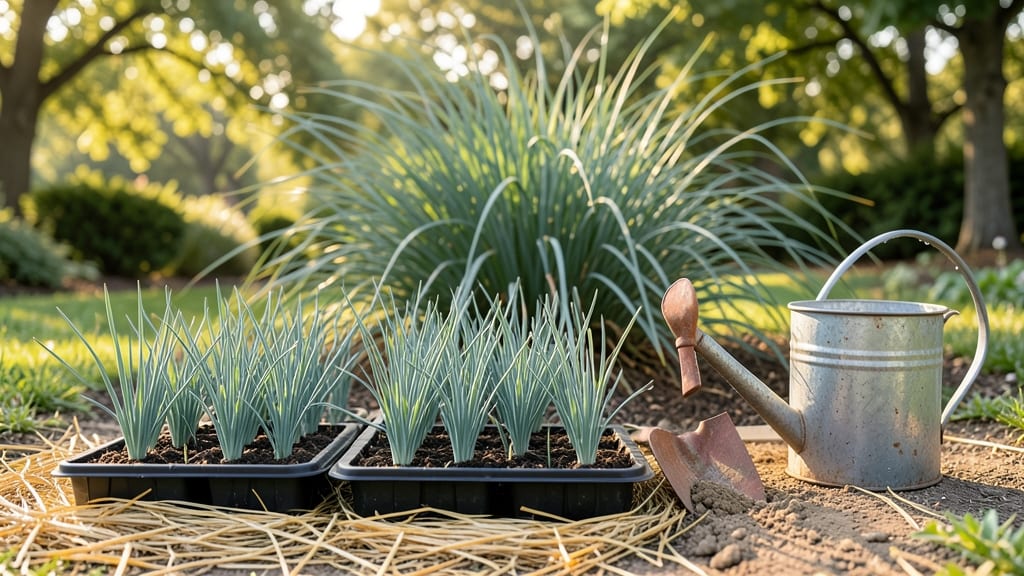
How to grow sweetgrass—that fragrant vanilla-citrus grass—is easier than you think. Hierochloe odorata smells like summer in a stem, and once you try it, you’ll never want to garden without it. I grew my first patch after a friend showed me how its fragrant stalks transform into sacred bundles, and now I can't imagine a garden without it. The key? Mimicking its native prairie habitat where it thrives in full sun and well-drained soil.
You'll need just three things: a sunny spot (at least 6 hours of light daily), loose, sandy soil (or amended clay), and patience—this grass spreads slowly but reliably. Plant seeds in early spring or fall, pressing them just below the surface since they need light to germinate.
A light mulch helps retain moisture without smothering the delicate shoots.
By midsummer, you'll harvest those signature 3-4 foot vanilla-scented stalks perfect for braiding. The fragrance intensifies when dried, making it ideal for smudge sticks or fresh bouquets. Even better? It's drought-tolerant once established, and deer usually leave it alone.
Watch for overwatering (roots rot easily) and cut back spent stalks in early spring to encourage fresh growth. Native pollinators adore it too—plant near your garden edges for extra buzz. Now go make some magic with those fragrant stems!
📚 In This Guide
- What you need
- Instructions
- Tips and common mistakes
- Wrapping up and next steps
What you need
- ● Sweetgrass seeds or rhizomes: Seeds: 1–2 grams (enough for ~50–100 plants; germination can be slow). Rhizomes: 3–5 healthy clumps (each with 3–5 stems; ensures faster establishment).
- ● Soil: Well-draining, slightly acidic to neutral soil (pH 5.5–7.0). Mix in: Peat moss or compost (1 part) for moisture retention. Perlite or coarse sand (1 part) to improve drainage.
- ● Container or garden bed: Containers: 6–8 inch pots (1–2 plants per pot) with drainage holes. Garden bed: Full sun to partial shade (4–6 hours of sunlight daily).
- ○ Watering supplies: Watering can or hose with a gentle spray nozzle. Drip irrigation system (optional, for consistent moisture).
- ● Fertilizer: Balanced, low-nitrogen fertilizer (e.g., 10-10-10) or compost tea. Apply lightly every 4–6 weeks.
- ● Pruners or scissors: Sharp, clean tools for harvesting or trimming.
- ● Mulch: Straw or shredded leaves (1–2 inches) to retain moisture and suppress weeds.
- ● Soil test kit (to check pH and nutrient levels). Garden gloves (to protect hands from soil and sharp rhizomes). Shade cloth (30–50% coverage for seedlings if in hot climates). Label markers (to track planting dates or varieties). Dried sweetgrass bundles (for reference or ceremonial use).
Step-by-step instructions for cultivating sweetgrass
Sweetgrass thrives where few plants do—let’s grow it with patience and precision for those signature fragrant bundles.
Select the Ideal Growing Conditions
Sweetgrass (Hierochloe odorata) demands full sun—at least 6 hours of direct sunlight daily—and well-draining soil with a slightly acidic to neutral pH (6.0-7.0). I plant mine in USDA Hardiness Zones 3-7, where winters are cold but summers aren’t scorching. The fragrant stems develop best in cooler climates, so avoid hot, humid regions where it may struggle.
Choose a location with good airflow—sweetgrass resents stagnant moisture, which causes root rot. If growing in containers, ensure pots have drainage holes and use a lightweight, sandy loam mix to prevent compaction. The key is mimicking its native prairie habitat: open, airy, and sun-drenched.
Plant Sweetgrass Seeds or Divisions
Sweetgrass spreads slowly, so start with divisions if possible—purchasing established clumps ensures faster establishment. If using seeds, stratify them for 4-6 weeks in a moist paper towel in the fridge to break dormancy. Plant seeds ¼ inch deep in early spring, spacing them 6-8 inches apart in rows 12 inches apart to allow room for growth.
Divisions should be planted in early spring or fall, when soil temperatures are below 70°F. Dig a hole slightly larger than the root ball, place the division in, and backfill with soil, pressing gently to eliminate air pockets. Water deeply to settle the soil—this prevents transplant shock and encourages root establishment.
☀️ Step 3: Maintain Water and Soil Balance
Sweetgrass is drought-tolerant once established, but young plants need consistent moisture during their first growing season. Water 1-2 times per week, ensuring the top 2-3 inches of soil remain moist but not soggy. Overwatering is the fastest way to kill it—yellowing leaves signal excess moisture, while crispy edges mean it’s thirsty.
Mulch around the base with 2-3 inches of straw or pine needles to retain moisture and suppress weeds. Avoid heavy mulch, which can suffocate roots. In late summer, reduce watering slightly to harden off the plants before winter—this prepares them for dormancy.
✂️ Step 4: Harvest and Prune for Fragrance
Harvest sweetgrass in late summer to early fall when the stems are fully mature but before they seed. Cut the stems 2-3 inches above the ground with clean shears, leaving some foliage to regrow. Bundle the stems immediately and hang them in a dry, dark place for 2-4 weeks to dry completely.
Prune back dead or damaged foliage in early spring before new growth emerges. This encourages bushier, more fragrant stems. Never cut into old wood—sweetgrass grows from the base, and aggressive pruning weakens future harvests. The more you harvest, the more it produces, but always leave at least half the stems to sustain the plant.
⏰ Step 5: Overwinter and Protect from Frost
Sweetgrass is cold-hardy, but young plants benefit from mulch protection in winter. Apply 4-6 inches of straw or leaves over the crown in late fall to insulate roots. In Zone 3, where winters are harsh, consider wrapping the crown in burlap for extra protection against freezing winds.
Remove mulch in early spring once new growth appears. Avoid fertilizing in the first year—sweetgrass grows slowly and doesn’t need extra nutrients. Patience is key; it may take 2-3 years before the stems develop that signature sweet, vanilla-like fragrance.
Tips & tricks for cultivating sweetgrass
Sweetgrass rewards patience with its delicate fragrance—here’s how to optimize every step for the best results.
Soil Preparation: Before planting, test your soil’s pH using a simple kit available at garden centers. Sweetgrass thrives in the 6.0-7.5 range, and adjusting the pH before planting can prevent future struggles with nutrient uptake. If your soil is particularly dense, consider building raised beds with a mix of garden soil, compost, and perlite to ensure proper drainage from the start.
Timing Secret: The 8-10 week indoor seed-starting window is crucial for establishing strong seedlings before transplanting. Use a seedling heat mat set to 70°F to accelerate germination, which typically occurs within 7-14 days. This extra warmth helps compensate for cooler spring soils and gives your sweetgrass a competitive edge when it’s time to move outdoors.
Harvesting Technique: When harvesting that first third of the plant, use clean, sharp pruning shears to make clean cuts just above a leaf node. This encourages branching and thicker stems in subsequent harvests. Bundle the cuttings immediately with twine to maintain their shape during the 2-3 week curing process—this prevents the stems from spreading out and losing their elegant form.
Winter Protection: For young plants in Zone 4 or colder, extend the 3-4 inch straw mulch with an additional 2 inches of leaves or straw on top. This extra insulation creates a protective barrier against temperature fluctuations that can stress tender rhizomes. In particularly harsh winters, consider adding a layer of evergreen boughs on top of the mulch to provide additional wind protection and snow insulation.
Pro Tips for Grow Sweetgrass
- Sweetgrass rewards patience with its delicate fragrance—here’s how to optimize every step for the best results.
- Soil Preparation: Before planting, test your soil’s pH using a simple kit available at garden centers.
- Timing Secret: The 8-10 week indoor seed-starting window is crucial for establishing strong seedlings before transplanting.
Frequently asked questions
Growing sweetgrass can feel like a magical journey—here are answers to the most common questions to help you along the way!
How long does it take for sweetgrass to grow?
Sweetgrass is a slow but steady grower! From seed, it typically takes 2–3 years to reach maturity and produce the fragrant stems you’ll bundle. Once established, it spreads via rhizomes, so patience is key—think of it as nurturing a sacred connection over time.
Can sweetgrass survive winter?
Yes! Sweetgrass is perennial and hardy in USDA zones 4–9. In colder climates, its leaves may die back, but the roots survive. Mulch lightly in late fall to protect young plants, and it’ll bounce back in spring like a resilient warrior.
Where’s the best place to plant sweetgrass?
Sweetgrass thrives in full sun to partial shade and well-draining soil. Avoid soggy spots—it dislikes “wet feet.” If your soil is heavy clay, mix in compost or sand to improve drainage. A spot near a fence or trellis works well for vertical growth!
What can I do if my sweetgrass isn’t fragrant?
Lack of fragrance often means the plant isn’t mature or isn’t getting enough sun. Ensure it’s in full sun for at least 6 hours daily. Over-fertilizing can also dull the scent—sweetgrass prefers lean soil. Harvest stems in late summer when they’re fully elongated for the best aroma.
Are there alternatives if sweetgrass is hard to grow?
If sweetgrass proves tricky, try vanilla grass (Hierochloe odorata) or lemon grass for similar fragrant qualities. For ceremonial bundles, cedar, sage, or lavender also work well. Just know sweetgrass’s unique vanilla-citrus scent is hard to replace!
Wrapping up and next steps
Growing sweetgrass is a rewarding journey that connects you to nature’s beauty and cultural traditions.
With the right sunlight, soil, and patience, you’ll soon enjoy its delicate scent and versatile uses—whether for bundles, rituals, or simply admiring its grace. Start small, stay consistent, and watch your sweetgrass thrive!
Ready to take the next step? Share your progress with fellow gardeners or explore how to harvest and preserve your sweetgrass for long-lasting enjoyment. Happy growing! 🌿✨