
Size
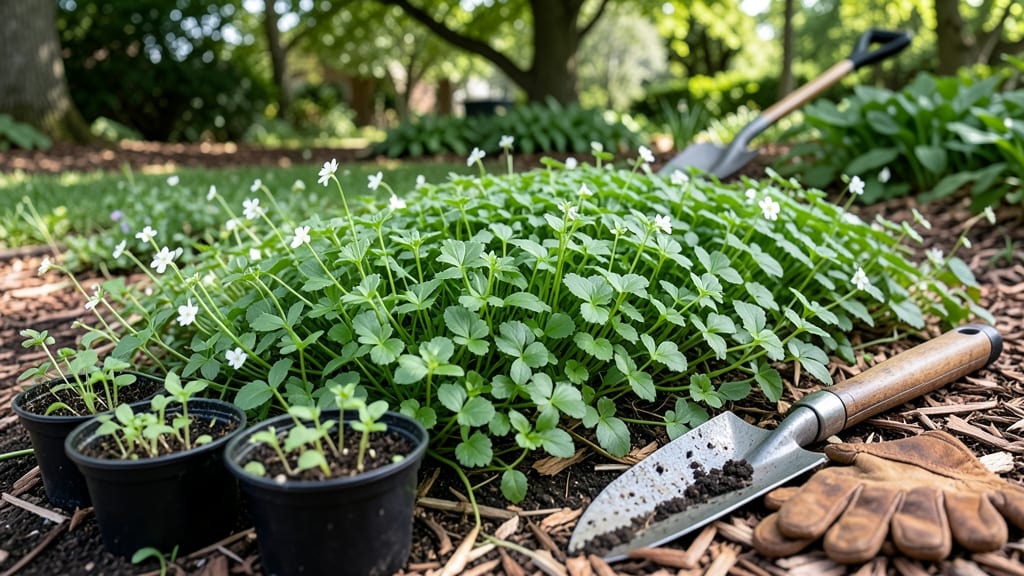
Sweet woodruff is the secret to transforming your shady spots into fragrant, lush carpets—here’s how to grow sweet woodruff like a pro. 🌿 I first fell for its delicate, vanilla-scented leaves while walking through a friend’s woodland garden—and now I’m obsessed with how it spreads under trees, turning dappled shade into a living, aromatic tapestry.
The trick? Planting it where it naturally thrives: in dappled shade, moist soil, and with patience for its slow but steady spread.
You don’t need fancy setups—just a shady corner, well-draining soil, and either seeds (slow but rewarding) or divisions (faster, easier). Space plants 12-18 inches apart to give them room to fill in over time.
Water consistently the first year, but once established, it’s nearly drought-proof. The real magic happens in spring when it bursts into star-shaped white flowers and releases that signature vanilla aroma when crushed.
By summer, you’ll have a fragrant ground cover that chokes out weeds, suppresses soil erosion, and adds texture to borders or woodland gardens. It’s the perfect low-maintenance plant for areas where grass won’t grow—just don’t expect instant results.
Give it 2-3 seasons to fully establish, and you’ll have a living carpet that smells like a spring walk in the woods.
Bonus: Sweet woodruff’s leaves make a natural dye, and its flowers attract pollinators. Plant it along pathways, under trees, or as a living mulch—it’s versatile, hardy, and once you try it, you’ll wonder why you didn’t start sooner. Let’s get those roots in the ground!
📚 In This Guide
- What you need
- Instructions
- Tips and common mistakes
- Wrapping up and next steps
What you need
- ● Sweet woodruff plants: 3–5 nursery-grown plants (or 1 lb of seeds if starting from scratch). Look for healthy, green foliage with no signs of pests.
- ● Well-draining soil: A mix of topsoil (50%), compost (30%), and perlite or sand (20%) for aeration. Sweet woodruff thrives in slightly acidic to neutral soil (pH 6.0–7.0).
- ● Partial to full shade: A location receiving 2–6 hours of sunlight daily (morning sun is ideal; avoid harsh afternoon rays).
- ● Watering can or hose: For gentle, consistent moisture (avoid soggy soil).
- ○ Mulch (optional but recommended): Shredded bark or straw (1–2 inches) to retain moisture and suppress weeds.
- ● Pruners (sharp, clean): For trimming back in early spring to encourage bushier growth.
- ● Slow-release fertilizer: A balanced 10-10-10 or organic compost tea applied in early spring for a nutrient boost.
- ● Edging tool: To define borders neatly if planting in a garden bed.
- ● Drip irrigation system: For automated watering in dry spells (sweet woodruff is drought-tolerant but appreciates consistency).
- ● Gloves: To protect hands from soil and prickly stems (though sweet woodruff is generally mild).
Step-by-Step instructions for growing sweet woodruff
This shade-loving ground cover is easier than you think—just follow these simple steps for lush, fragrant foliage.
🌱 Step 1: Choose the Perfect Planting Spot
Sweet woodruff thrives in partial to full shade, making it ideal for under trees, along north-facing walls, or beneath shrubs. I always pick a spot with dappled sunlight—at least 3-4 hours of indirect light daily—where the soil stays consistently moist but not soggy.
Test your location by observing how sunlight moves through the area. If the ground stays dry between waterings, your spot has good drainage. Avoid low-lying areas where water pools after rain—sweet woodruff hates wet feet. A slightly acidic to neutral soil (pH 6.0-7.0) works best, but it’s forgiving if your soil leans alkaline.
🪴 Step 2: Prepare the Soil for Planting
Loosen the top 6 inches of soil with a garden fork or trowel to create a soft bed for roots. Sweet woodruff spreads via rhizomes, so avoid compacted soil—it restricts growth. Mix in 2-3 inches of compost or well-rotted leaf mold to improve fertility and drainage.
If your soil drains poorly, add a 1-inch layer of coarse sand or perlite to the planting hole before adding the plant. You’ll know the soil is ready when it crumbles easily between your fingers and holds moisture without becoming waterlogged. A little mulch (like shredded bark) on top helps retain moisture and keeps weeds at bay.
🌿 Step 3: Plant Sweet Woodruff Correctly
Space plants 12-18 inches apart in rows 18-24 inches apart to allow for spreading. Dig holes just deep enough to cover the roots—no deeper than the top of the root ball. Gently tease out any circling roots to encourage outward growth.
Place each plant so the crown sits just below soil level—burying it too deep can cause rot, while leaving it exposed risks drying out. Press the soil firmly around the roots to eliminate air pockets, then water deeply to settle everything. You’ll see new growth within 2-3 weeks if conditions are right.
💧 Step 4: Water and Maintain for Healthy Growth
Keep the soil evenly moist but not soggy for the first 4-6 weeks after planting. Water deeply 2-3 times per week in dry spells, aiming for 1 inch of water per week. You’ll know it’s right when the top inch of soil feels damp but not wet to the touch.
Once established, sweet woodruff is drought-tolerant but will look its best with regular moisture. Mulch lightly with 2 inches of shredded leaves or bark to retain moisture and suppress weeds. Avoid heavy fertilization—this plant prefers lean soil and grows best when left undisturbed.
✂️ Step 5: Prune and Enjoy the Fragrance
In early spring, trim back any dead or yellowed foliage to encourage fresh growth. Sweet woodruff spreads aggressively, so cut back overgrowth in late summer if it starts to crowd other plants. You can also divide clumps every 3-4 years to keep them vigorous.
Harvest leaves in early summer for their signature vanilla-like fragrance—just snip stems and dry them for potpourri or tea. The more you prune, the denser and more fragrant the foliage becomes. With minimal care, your sweet woodruff will spread into a lush, fragrant carpet that thrives where other plants struggle.
Tips & tricks for perfect sweet woodruff growth
Here's what I wish I knew when I first planted sweet woodruff—these little details make all the difference for that signature vanilla-scented carpet.
Lighting Secret: That 3-4 hours of indirect light in Step 1 is critical—think of it like your morning coffee. Too little light and your woodruff will stretch thin and lose its fragrance. I test spots by placing a white plate where I plan to plant and checking how much sunlight hits it over a week. If it gets direct sun for more than 1-2 hours, it's too much.
Soil Test Hack: Before amending your soil in Step 2, do this quick check: Grab a handful and squeeze it. If it crumbles easily but holds shape, you're good. If it stays in a tight ball, add more compost. For alkaline soil (pH above 7.0), mix in a bit of peat moss to bring it down to that ideal 6.0-7.0 range. The sweet woodruff will thank you with stronger fragrance.
Planting Precision: When you're spacing those 12-18 inch gaps in Step 3, think of a checkerboard pattern. This creates airflow that prevents fungal issues. I also make sure to plant on a cloudy day—the roots handle transplant shock better when they're not stressed by afternoon sun. Water immediately after planting, but don't drown it. The soil should feel like a damp sponge, not a swamp.
Fragrance Boost: For maximum vanilla scent in Step 5, harvest leaves in the morning after dew has dried but before the sun gets too strong. Bundle stems and hang them upside down in a dark, dry place for 1-2 weeks. The more you prune back in late summer, the denser and more fragrant the new growth will be next spring. I've found that plants pruned by early August put on their best fragrance display.
Pro Tips for Grow Sweet Woodruff
- Here's what I wish I knew when I first planted sweet woodruff—these little details make all the difference for that signature vanilla-scented carpet.
- Lighting Secret: That 3-4 hours of indirect light in Step 1 is critical—think of it like your morning coffee.
- Soil Test Hack: Before amending your soil in Step 2, do this quick check: Grab a handful and squeeze it.
Frequently asked questions
about growing sweet woodruff—because even the best gardeners need a little guidance! Here are answers to the most common questions to help you cultivate this fragrant ground cover with confidence.How fast does sweet woodruff spread?
Sweet woodruff spreads moderately—about 6–12 inches per year under ideal conditions. It’s not aggressive like mint but will slowly fill in shaded areas. For faster coverage, divide mature clumps every 2–3 years or plant densely from the start. Pro tip: Mulch lightly to encourage lateral growth!
When is the best time to harvest sweet woodruff?
The best time to harvest is late spring to early summer (May–June), just before flowering. Cut stems about 2 inches above the ground, then dry them in bundles upside down in a dark, airy space. Avoid harvesting after rain—wet stems spoil quickly. Store dried sprigs in airtight containers for up to a year!
Can sweet woodruff grow in full sun?
While it tolerates partial sun (especially in cooler climates), sweet woodruff thrives in full to partial shade. Direct sun can scorch leaves and reduce its signature vanilla-coumarin scent. If you must plant it in sunnier spots, ensure consistent moisture and mulch heavily to protect roots.
What pests or diseases commonly affect sweet woodruff?
This hardy plant is rarely bothered by pests, but watch for:
- Slugs/snails: They may nibble young leaves—use beer traps or diatomaceous earth.
- Fungal issues: Overly wet soil can cause leaf spot. Improve drainage and avoid overhead watering.
- Powdery mildew: If leaves look dusty, space plants for airflow and prune for circulation.
What are good alternatives if sweet woodruff doesn’t grow well in my climate?
If your zone is too hot/dry or too cold, try these shade-loving, fragrant alternatives:
Plant
Scent/Use
Growth Habit
Lungwort (Pulmonaria)
Sweet, floral; edible leaves
Clumping, 12–18" tall
Creeping thyme (Thymus serpyllum)
Herbaceous, minty; culinary use
Low-growing, spreads aggressively
Alum root (Heuchera)
Subtle, earthy; ornamental
Clumping, 12–24" tall
Wrapping up and next steps
Growing sweet woodruff is a rewarding journey that brings fragrant charm and lush greenery to your shaded garden—with minimal effort! 🌿 By following these steps—from selecting the right spot to maintaining its health—you’ll enjoy its delicate foliage, sweet scent, and low-maintenance beauty in no time.
Whether you’re a seasoned gardener or just starting out, this shade-loving plant is the perfect addition to borders, woodland gardens, or even as a living mulch.
Now that you’re armed with the know-how, roll up your sleeves and plant your first patch! Start small, experiment with companion plants, and watch your garden transform into a fragrant sanctuary. Happy growing—your future shade garden will thank you! 🌱✨