
Size
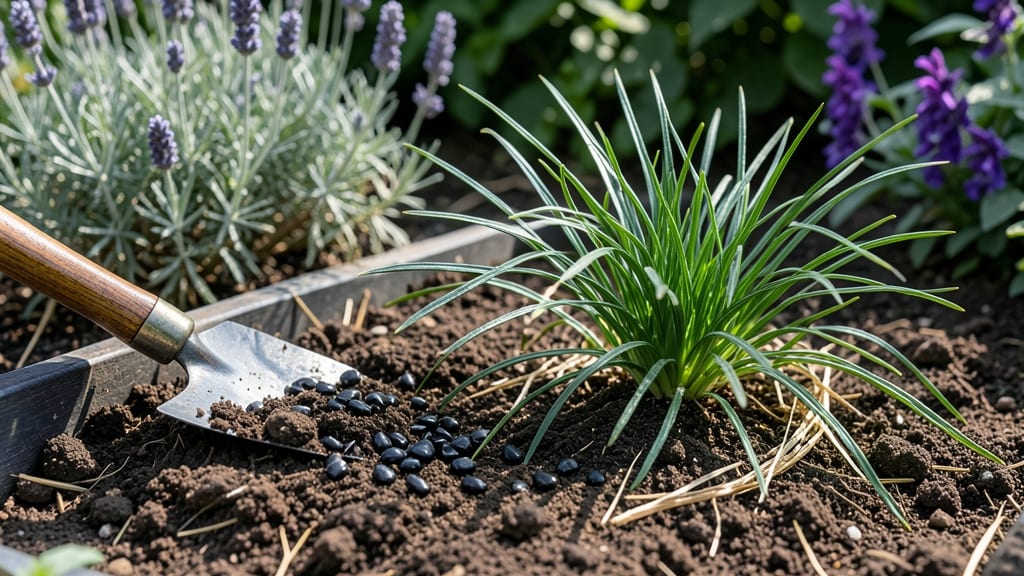
How to grow salsify thrives where most roots struggle—deep in loose soil with almost no attention. 🌱 I planted my first batch last spring after seeing how effortlessly they pushed through compacted earth, and within 8 weeks, I had harvestable roots. The secret isn’t fancy techniques; it’s patience and proper spacing. This biennial grows best in full sun with at least 12 inches of loose, well-draining soil—no rocky subsoil or clay. Plant seeds ½ inch deep in early spring or late summer, spacing them 12 inches apart in rows 18 inches apart. Thin seedlings to the strongest plants, and let them grow undisturbed until their second year. By summer of their second year, you’ll spot tapered, black-skinned roots (like a cross between a parsnip and a scallion) poking through the soil. Dig carefully—they’re tender when young but become woody if left too long. The flavor? A deep, earthy sweetness that pairs perfectly with roasted meats or creamy sauces. Weed competition is the only real challenge—salsify’s slow start makes it vulnerable. Mulch heavily to protect young plants, and avoid disturbing the soil once established. With minimal fuss, you’ll harvest 1-2 pounds per plant at peak season, enough for a year’s worth of cooking.
📚 In This Guide
- What you need
- Instructions
- Tips and common mistakes
- Wrapping up and next steps
What you need
- ● Salsify seeds or seedlings: Choose heirloom or organic seeds (e.g., Tragopogon porrifolius) or young plants from a nursery. ~10-20 seeds per 10 sq ft for a bountiful harvest.
- ● Well-draining soil: Salsify thrives in loamy, slightly acidic soil (pH 6.0–7.0). Amend heavy clay with compost or sand.
- ● Compost or organic fertilizer: Mix in 2–3 inches of compost before planting to enrich the soil.
- ● Mulch (straw or shredded leaves): Helps retain moisture and suppress weeds. Apply 2–3 inches after planting.
- ● Garden trowel or transplanting spade – For digging seed holes or planting seedlings.
- ● Watering can or hose with a gentle nozzle – Salsify needs consistent moisture but hates soggy roots.
- ● Garden gloves – Protects hands from prickly leaves (especially when harvesting).
- ○ Row marker or stakes (optional) – Helps mark planting rows if you’re growing in a larger plot.
- ● Sunlight: Full sun to partial shade (6+ hours of sunlight daily).
- ● Spacious growing area: Salsify needs 12–18 inches of space between plants (they spread!).
- ● Patience: Salsify takes 90–120 days to mature—plan ahead for a fall harvest!
- ● Cool-season timing: Best planted in early spring or late summer (avoid extreme heat).
Step-by-step instructions for cultivating salsify
Here's the straightforward method I've used to grow salsify successfully in cool-season gardens.
🌱 Step 1: Select the Right Site and Prepare the Soil
Salsify thrives in well-draining soil with a pH between 6.0 and 7.0. Choose a location with full sun to partial shade—at least 6 hours of sunlight daily—but protect from intense afternoon heat in hotter climates. I always test my soil first; salsify roots grow best in loose, fertile ground.
Work in 2-3 inches of compost or well-rotted manure to improve soil structure and fertility. Avoid fresh manure, which can cause the roots to fork or split. Salsify prefers cooler temperatures, so aim to plant in early spring or late summer for a fall harvest. The soil should be warm but not hot—around 60-70°F—when you plant.
🌱 Step 2: Plant Seeds at the Correct Depth and Spacing
Salsify seeds are small and slow to germinate, so I plant them ¼ inch deep in rows spaced 12-18 inches apart. Thin seedlings to 6-8 inches apart once they reach 2-3 inches tall—this prevents overcrowding and ensures strong root development. I like to plant seeds in blocks rather than rows for easier harvesting.
Germination can take 10-20 days, depending on soil temperature. Keep the soil consistently moist but not soggy during this time. A light mulch of straw helps retain moisture and suppress weeds without smothering the seedlings. If the soil dries out, germination slows or stops entirely.
☀️ Step 3: Maintain Moisture and Monitor Growth
Salsify needs 1-1.5 inches of water per week, especially during dry spells. Water deeply at the base of plants to encourage deep root growth—avoid overhead watering, which can spread disease. The leaves should stay turgid and upright; wilting indicates the plant needs more water.
Thin seedlings again if necessary to maintain 6-inch spacing—this step is critical for root development. Salsify grows best in cool weather and may bolt (go to seed) if exposed to prolonged heat. If temperatures rise above 80°F, provide afternoon shade to protect the plants.
⏰ Step 4: Harvest at the Right Time for Maximum Flavor
Salsify roots are ready to harvest 100-120 days after planting, when they reach 8-12 inches long and 1-2 inches in diameter. The leaves will yellow and die back as the roots mature—this is your cue to harvest. Use a fork or trowel to gently loosen the soil around the roots before pulling them carefully.
Don’t wash the roots until ready to use; dirt protects them from drying out. Store harvested salsify in a cool, dark place (like a root cellar) for up to 2 weeks. For best flavor, harvest when roots are firm and crisp—overmature roots become woody and less tender.
✂️ Step 5: Extend the Season with Succession Planting
For a continuous harvest, plant a second crop 6-8 weeks after the first in late summer for a fall harvest. Salsify grows well in cool-season gardens and can even overwinter in mild climates. If frost threatens before harvest, cover plants with row fabric to protect them until roots are ready.
I’ve found that salsify left in the ground too long can become tough and bitter, so timing is everything. With proper care, you’ll have a steady supply of these earthy, versatile roots for soups, roasts, or gratin dishes.
Tips & tricks for perfect salsify cultivation
These simple yet game-changing strategies will help you avoid common pitfalls and grow salsify like a seasoned gardener.
Soil Preparation Secret: Before planting, mix in 2-3 inches of compost and work it into the top 6-8 inches of soil. This creates the loose, fertile environment salsify roots need to develop properly. I also recommend adding a handful of wood ash (if your soil is acidic) to help maintain that ideal 6.0-7.0 pH range—just be careful not to overdo it, as too much ash can raise pH too quickly.
Germination Strategy: The 10-20 day germination window can be frustrating, but consistency is key. I've found that using a seedling heat mat set to 70°F can cut germination time by half. If you don't have one, simply place a black plastic mulch over the seedbed to warm the soil. Remember, consistently moist soil is crucial—if it dries out during germination, you'll lose your seedlings entirely.
Thinning Technique: When thinning seedlings to 6-8 inches apart, don't rush this step. I wait until they're 2-3 inches tall and have at least two true leaves. The key is to thin gradually—first to 6-inch spacing when seedlings are small, then to final spacing as they grow. This prevents shock and gives you multiple harvests of young greens to use in salads before they mature.
Heat Management: Salsify's tolerance for 80°F is its upper limit—any hotter and it bolts. In my hotter summers, I've used shade cloth (30-50%) during peak afternoon hours to keep leaves from wilting. You can also plant in partial shade locations where trees provide natural afternoon shade, which actually improves root quality by preventing stress.
Pro Tips for Grow Salsify
- These simple yet game-changing strategies will help you avoid common pitfalls and grow salsify like a seasoned gardener.
- Soil Preparation Secret: Before planting, mix in 2-3 inches of compost and work it into the top 6-8 inches of soil.
- Germination Strategy: The 10-20 day germination window can be frustrating, but consistency is key.
Frequently asked questions
Got questions about growing salsify? You’re not alone! Here are answers to the most common queries—from first-timers to seasoned gardeners.
Can I grow salsify in containers?
Salsify thrives in containers as long as the pot is at least 12 inches deep and has good drainage. Use a well-draining soil mix and place it in full sun to partial shade. Just keep an eye on moisture—containers dry out faster than garden beds.
How long does it take for salsify to mature?
Salsify is patient-friendly! From seed to harvest, it typically takes 100–120 days in cool climates. If you’re growing it as a winter crop (like in Zone 7+), it may mature faster in cooler weather. Harvest when roots are 1–2 inches thick for tender eating.
What pests or diseases should I watch for?
Salsify is generally pest-resistant, but keep an eye out for leaf miners or aphids in warm, humid conditions. For diseases, root rot can occur if soil stays soggy—always ensure proper drainage. A light mulch helps deter weeds and retain moisture without inviting pests.
Can I grow salsify alongside other vegetables?
Yes! Salsify is a great companion plant. Try pairing it with beans, peas, or cabbage—these plants help deter pests naturally. Avoid planting near potatoes or tomatoes, as they share some diseases. Rotate crops yearly to keep soil healthy.
Does salsify survive frost?
Not only does salsify tolerate light frost, but it actually prefers cooler weather! It’s a fantastic winter crop in many climates (Zones 3–9). In cold winters, mulch heavily to protect roots. Harvest before hard freezes if growing in marginal zones.
What’s the best way to store harvested salsify?
Freshly harvested salsify keeps well! Trim the greens and store roots in a cool, dark place (like a root cellar) for up to 3–4 weeks. For longer storage, wrap in damp paper towels and refrigerate. Cook within a month for peak flavor!
Wrapping up and next steps
Growing salsify is a rewarding journey—whether you're drawn to its earthy flavor or its low-maintenance charm. With the right soil, patience, and a few simple steps, you’ll soon enjoy a harvest of crisp, nutrient-packed roots that shine in soups, roasts, or salads. 🌱
Now that you’re equipped with the know-how, why not take the next step? Start small in a container or dedicate a patch of your garden to these unique roots. Before you know it, you’ll be savoring homegrown salsify—fresh, flavorful, and totally worth the wait!