
Size
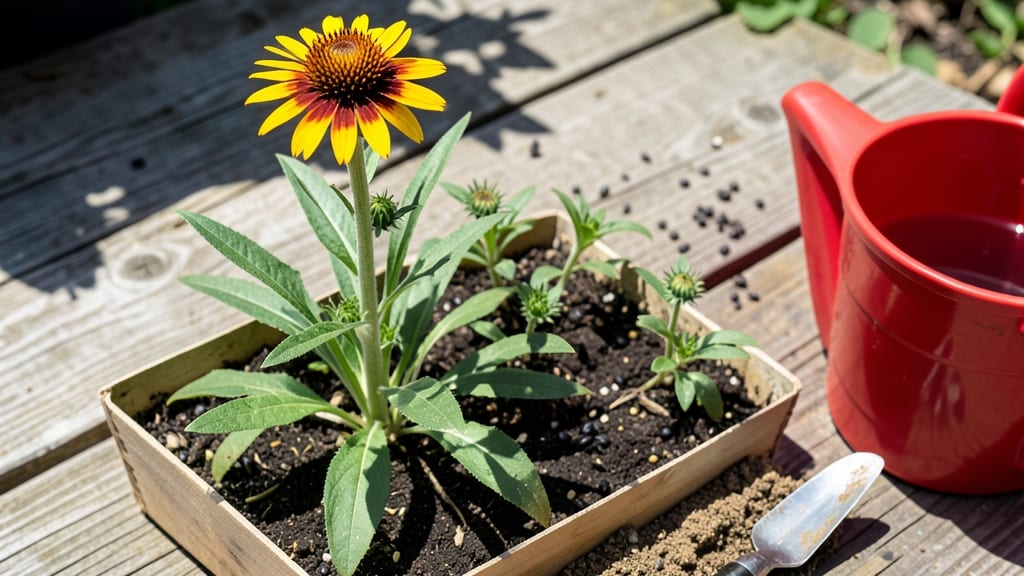
How to grow safflower feels like unlocking a secret garden treasure. 🌻 These sun-loving annuals reward patience with bold golden blooms that turn heads—and their seeds have surprising uses too. I learned the hard way that safflowers demand full sun and well-drained soil, but once you nail those basics, they practically grow themselves.
Start with seeds planted ¼ inch deep in spring after frost, spacing them 12-18 inches apart. They thrive in average garden soil but hate soggy conditions—think Mediterranean sunbaked slopes rather than damp forests. Water lightly once established, as safflowers store moisture in their deep roots like desert survivors.
By midsummer, you’ll see those glossy, thistle-like blooms opening daily, attracting bees and butterflies. The flowers last just one day but produce thousands of seeds—collect them for bird feeders, dye, or next year’s garden. Even better? They self-seed reliably in warm climates.
Watch for powdery mildew in humid areas and pull weeds early—they compete fiercely. In colder zones, treat safflowers as an annual, but in mild winters, they might surprise you with volunteer plants popping up the next spring. Few flowers offer this much beauty with so little fuss.
📚 In This Guide
- What you need
- Instructions
- Tips and common mistakes
- Wrapping up and next steps
What you need
- ● Safflower seeds: Choose certified organic or high-quality seeds (e.g., Carthamus tinctorius). Aim for 1–2 lbs per 100 sq ft for optimal spacing.
- ● Well-draining soil: Safflowers thrive in loamy or sandy soil with a pH of 6.0–7.5. Amend clay soil with compost or perlite.
- ● Sunlight: A full-sun location (6+ hours of direct sunlight daily) is a must—these plants are sun-worshippers!
- ● Water: Consistent moisture during germination (keep soil damp but not soggy). Mature plants are drought-tolerant.
- ○ Fertilizer (optional but helpful): Start with a balanced 10-10-10 fertilizer at planting.
- ● Side-dress with low-nitrogen fertilizer (e.g., 5-10-10) when buds form.
- ● Spacing: Plant seeds 12–18 inches apart in rows 24–30 inches apart for airflow.
- ● Garden trowel or planter: For digging seed holes (depth: ½ inch).
- ● Hose with gentle spray nozzle: For watering seeds without disturbing them.
- ● Mulch (straw or wood chips): Helps retain moisture and suppress weeds.
- ● Stakes or trellis (for tall varieties): Safflowers can grow 2–5 feet tall—support may be needed in windy areas.
- ● Pruning shears: For removing spent blooms to encourage more flowers.
- ● Harvesting gloves: Protects hands when picking dried flower heads.
Step-by-step instructions for growing safflower from seed
Here's how I grow safflower from seed—bold, drought-tolerant, and perfect for cut flower arrangements.
🌱 Step 1: Choose the Right Location and Prepare Soil
Safflower thrives in full sun, so pick a spot that gets at least 6-8 hours of direct sunlight daily. I always test the soil first—safflower prefers well-draining, slightly sandy loam with a pH between 6.0 and 7.5. If your soil is heavy clay, mix in 2-3 inches of compost and a handful of coarse sand to improve drainage.
Loosen the top 6 inches of soil with a garden fork or tiller to break up compaction. Safflower roots grow deep, so good aeration prevents waterlogging. If planting in containers, use a mix of 50% potting soil and 50% perlite to mimic ideal conditions.
🌱 Step 2: Plant Seeds at the Correct Depth and Spacing
Sow seeds ½ inch deep and 12-18 inches apart in rows spaced 24 inches apart. I like to plant them in early spring, about 2-3 weeks before the last frost, or in late summer for a fall bloom. Thin seedlings to 12 inches apart once they reach 3-4 inches tall—crowding leads to weak stems and fewer blooms.
Water gently after planting to settle the soil around seeds. Avoid soaking the area—safflower seeds need moisture to germinate but hate soggy conditions. Germination takes 7-14 days at soil temperatures of 60-75°F. If your spring is cool, consider using a seedling heat mat for faster sprouting.
☀️ Step 3: Provide Minimal Care for Strong Growth
Safflower is incredibly low-maintenance once established. Water deeply once a week during dry spells, but let the soil dry out between waterings—overwatering causes root rot. I usually check the soil by sticking my finger 1 inch deep; if it feels dry, it’s time to water.
Fertilize lightly at planting with a balanced 10-10-10 fertilizer, then again when plants reach 12 inches tall. Too much nitrogen produces leafy growth at the expense of flowers. Watch for aphids or spider mites—spray with neem oil if you spot pests early.
✂️ Step 4: Harvest and Preserve Blooms at Peak Beauty
Cut flowers when the outer petals begin to open but before they fully bloom—this extends vase life. Use clean, sharp pruners and cut stems at a 45-degree angle just above a leaf node. Harvest in the early morning for the longest-lasting bouquets.
For dried arrangements, hang inverted stems in a dry, dark place for 1-2 weeks. Safflower blooms dry beautifully, retaining their golden hue. Deadhead spent blooms to encourage more flowers, but leave some for seed heads if you want to collect seeds for next year.
⏰ Step 5: Prepare for Next Year’s Planting
Safflower is an annual, so it won’t return unless you replant. Collect seeds from dried flower heads by rubbing them gently over a paper bag. Store seeds in a cool, dry place for up to 3 years. I like to rotate planting locations yearly to prevent soil depletion.
After harvest, cut back stems to 2 inches tall and compost the debris. This keeps the garden tidy and adds nutrients back to the soil. Safflower is a great companion plant—its deep roots improve soil structure for shallower-rooted neighbors like lettuce or radishes.
Tips & tricks for perfect safflower cultivation
These sun-loving annuals reward patience with striking golden blooms—here's how to maximize their potential without the guesswork.
Sunlight Strategy: While safflower thrives in full sun (6-8 hours daily), I've found that morning sun paired with afternoon shade in hot climates actually produces slightly larger blooms. The key is avoiding midday heat stress—especially during summer planting. If you're in a region with intense afternoon sun, consider providing light shade during peak hours (12-3 PM) using shade cloth or nearby structures. This balances the plant's need for sunlight while protecting delicate blooms.
Soil Science: The 6.0-7.5 pH range isn't just a recommendation—it's critical for nutrient uptake. I test my soil annually and adjust with lime if needed (for acidic soils) or sulfur (for alkaline soils). For container growing, I add a handful of dolomitic lime to the potting mix at planting time. Remember that safflower's deep roots mean they'll outgrow shallow soil amendments—think of this as a long-term investment in plant health.
Germination Hack: Those 7-14 days of germination can feel like an eternity, but there's a way to speed things up. Soak seeds in warm water for 4 hours before planting—this mimics natural rainfall and can reduce germination time by 3-5 days. Just be sure to plant immediately after soaking rather than storing them. I also find that planting in slightly warmer soil (70-75°F) through the use of black plastic mulch accelerates sprouting without requiring a heat mat.
Harvest Timing: The "outer petals begin to open" cue is precise, but here's what that actually looks like: about 20% of the petals should be unfurling while the center remains tightly closed. I harvest at this stage because the blooms continue opening in the vase, creating dramatic displays. For dried arrangements, I wait until about 30% of petals are open—they'll continue drying while maintaining their shape perfectly.
Pro Tips for Grow Safflower
- These sun-loving annuals reward patience with striking golden blooms—here's how to maximize their potential without the guesswork.
- Sunlight Strategy: While safflower thrives in full sun (6-8 hours daily), I've found that morning sun paired with afternoon shade in hot climates actually produces slightly larger blooms.
- Soil Science: The 6.0-7.5 pH range isn't just a recommendation—it's critical for nutrient uptake.
Frequently asked questions
Got questions about growing safflower? You’re not alone! Here are some of the most common queries—and their answers—to help you cultivate these striking golden blooms with confidence.
How long does it take for safflower plants to grow?
Safflower is a fast grower! From seed to mature plant, expect 60–90 days in warm climates. In cooler regions, it may take slightly longer. Start seeds indoors 4–6 weeks before the last frost for a head start, or sow directly in spring after soil warms to 60°F (15°C).
Can I grow safflower from store-bought seeds or do I need special ones?
Yes, you can use store-bought safflower seeds—just ensure they’re labeled for planting (not birdseed!). For oil varieties, check seed packets for maturity dates. Heirloom or organic seeds are great for culinary or dye use. Avoid treated seeds unless specified for gardening.
What pests or diseases should I watch for?
Safflowers are generally pest-resistant, but keep an eye out for:
- Spider mites (dry conditions)
- Aphids (clustered on new growth)
- Fungal diseases (like powdery mildew in humid areas)
Prevent issues with crop rotation, proper spacing, and occasional neem oil sprays. Remove affected leaves promptly to stop spread.
Can I grow safflower in containers or small spaces?
Safflower thrives in 5–6 gallon containers with drainage holes. Choose dwarf varieties like ‘Ben-Hur’ for tighter spaces. Ensure pots get full sun (6+ hours) and use well-draining soil. Just avoid overcrowding—space plants 12–18 inches apart for airflow.
What can I do with safflower flowers besides admire them?
Safflower is a versatile plant! Use the:
- Petals: Dried for natural yellow/orange dyes or edible garnishes.
- Seeds: Pressed for high-quality oil (great for cooking or soap-making).
- Stems: Cut for bouquets or dried arrangements.
Bonus: The seeds are non-toxic and safe for birds!
Wrapping up and next steps
Growing safflower is a rewarding journey—whether you’re drawn to its stunning golden blooms, drought-tolerant resilience, or edible seeds! With the right sunny spot, well-draining soil, and minimal fuss, you’ll soon enjoy vibrant flowers and a bountiful harvest.
Don’t forget to prune early for better growth and save seeds for next season!
Ready to dive in? Start by sketching your garden layout or grabbing supplies—your safflower patch awaits! 🌻✨ Shop seeds now or browse tools to kick off your project today.